Best Bar Stools for a Kitchen Island: Height, Spacing, and What to Look For

Choosing bar stools for a kitchen island starts with counter height, not style. Most standard kitchen islands sit at 85-95 cm (33-37"), which calls for a 60-66 cm seat height (24-26"). Taller breakfast bars at 100-110 cm (39-43") need a 76 cm seat (30").

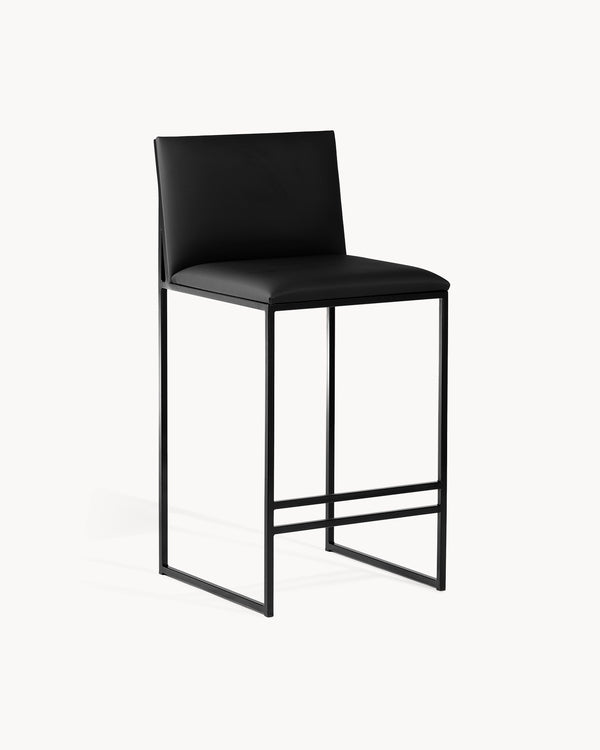
Beyond height, the deciding factors are seat material for daily cleaning, footrest position for comfort, and island width. Allow 50-55 cm (20-22") per stool along the seated edge. Backless stools tuck under the island when not in use. Low-backrest stools provide lumbar support without blocking the counter.

Browse all bar stools by height and material, or explore steel bar stools and wooden bar stools separately.

Choosing bar stools for a kitchen island starts with counter height, not style. Most standard kitchen islands sit at 85-95 cm (33-37"), which calls for a 60-66 cm seat height (24-26"). Taller breakfast bars at 100-110 cm (39-43") need a 76 cm seat (30").

Beyond height, the deciding factors are seat material for daily cleaning, footrest position for comfort, and island width. Allow 50-55 cm (20-22") per stool along the seated edge. Backless stools tuck under the island when not in use. Low-backrest stools provide lumbar support without blocking the counter.

Browse all bar stools by height and material, or explore steel bar stools and wooden bar stools separately.

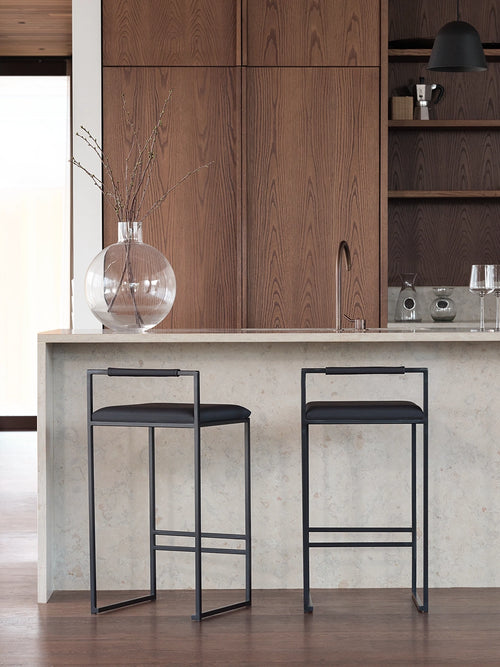
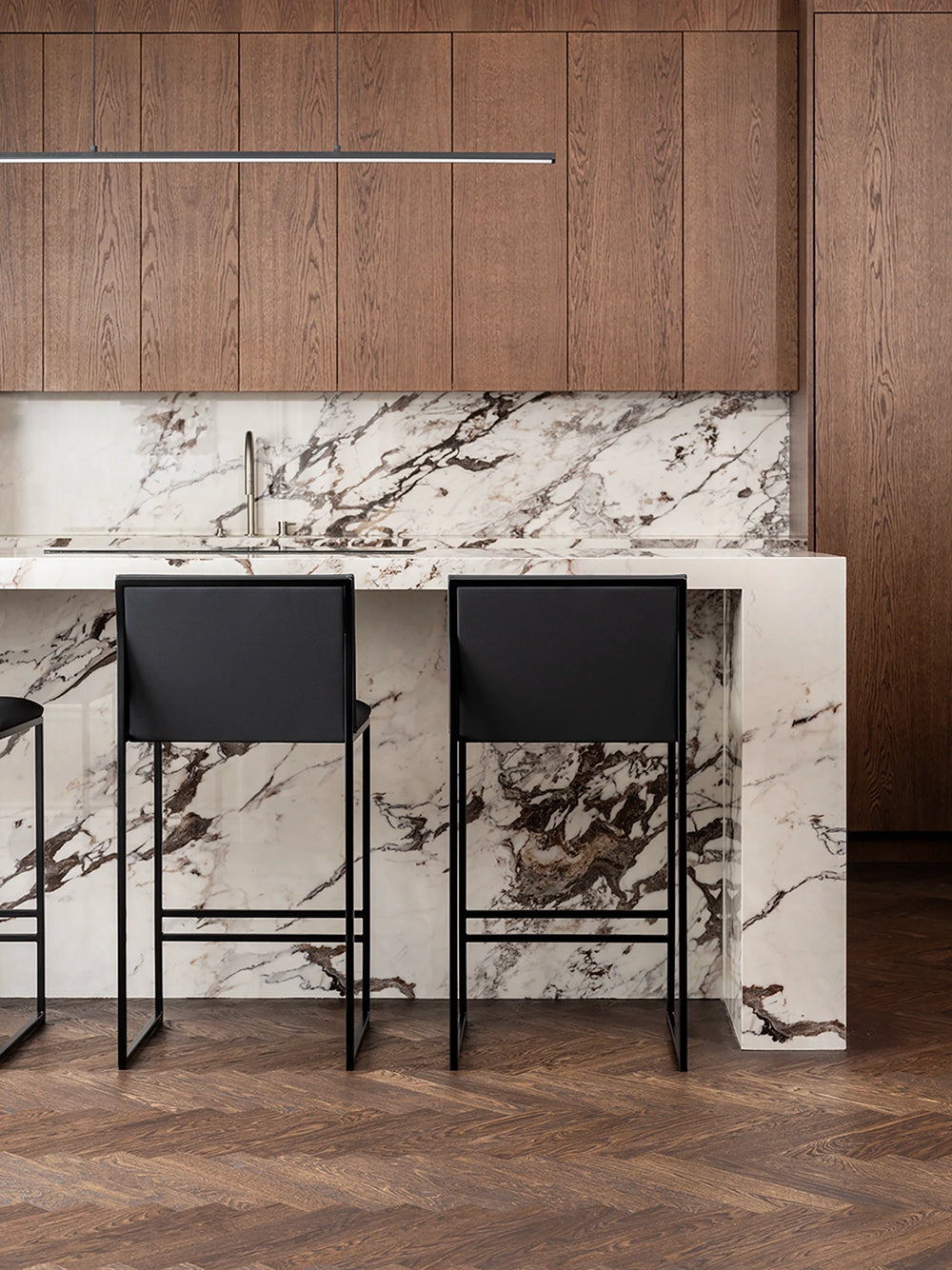
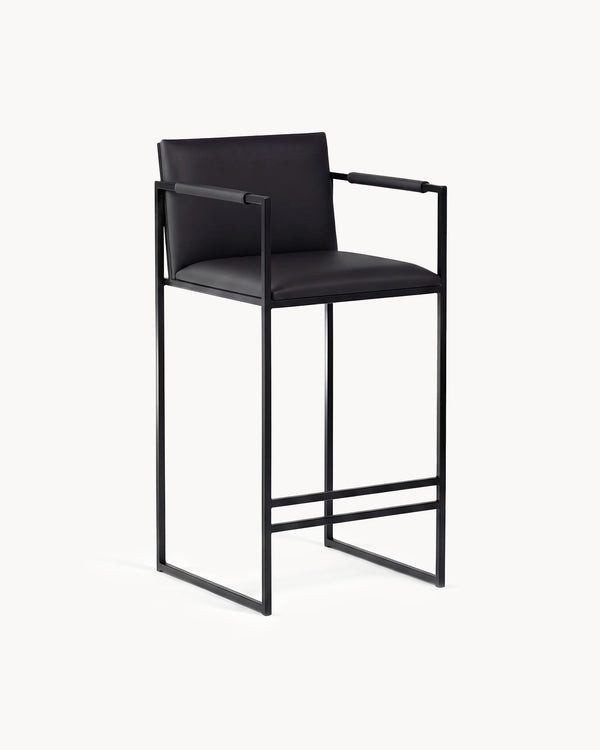
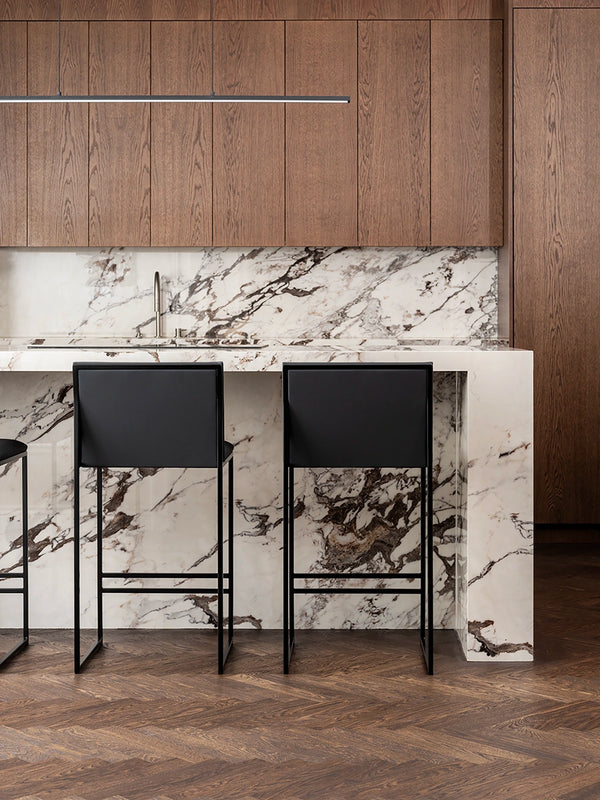
Freja bar stool in black leather at a marble kitchen island showing the correct seat-to-counter proportion for a standard 90 cm island.

Freja bar stool in black leather at a marble kitchen island showing the correct seat-to-counter proportion for a standard 90 cm island.

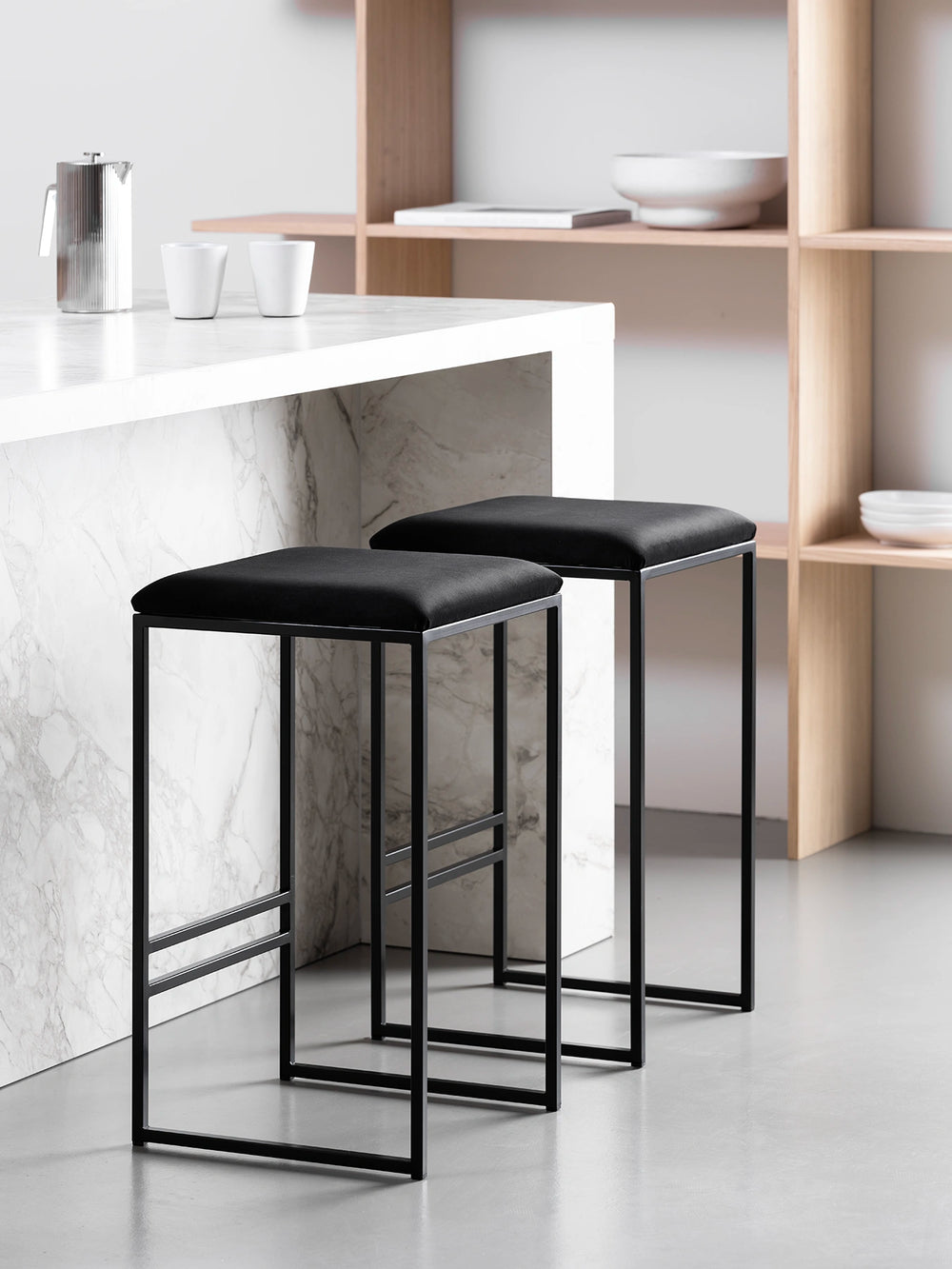
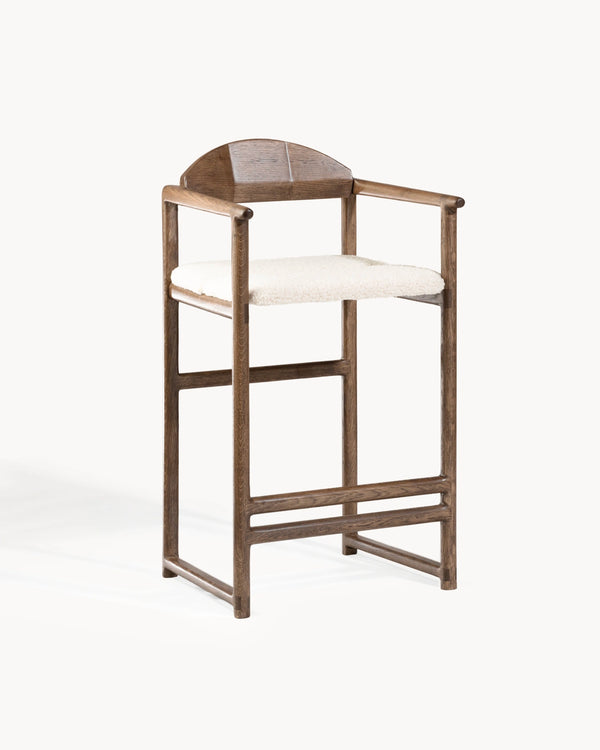
Philip bar stool in bouclé at a marble island illustrating the 66 cm seat height measurement for a standard kitchen island counter.

Philip bar stool in bouclé at a marble island illustrating the 66 cm seat height measurement for a standard kitchen island counter.

What Makes a Bar Stool Suitable for a Kitchen Island?

Quick reference: the three functional requirements

Legroom: 23–26 cm between seat top and counter underside

Edge per stool: 50–55 cm of island edge minimum

Overhang depth: 25 cm minimum for knee clearance

A kitchen island stool needs to meet three requirements before aesthetics come into it. First, height: the stool must leave 23-26 cm (9-10") of legroom between the seat top and the underside of the island surface. Second, footprint: each stool needs 50-55 cm (20-22") of island width to seat comfortably without crowding neighbours. Third, durability: kitchen island stools are used multiple times daily, often by different people, and need to handle that without maintenance issues.

An attractive stool that fails any of these three requirements will cause daily frustration within weeks. Get the fundamentals right first, then choose the finish.

Quick reference: the three functional requirements

Legroom: 23–26 cm between seat top and counter underside

Edge per stool: 50–55 cm of island edge minimum

Overhang depth: 25 cm minimum for knee clearance

A kitchen island stool needs to meet three requirements before aesthetics come into it. First, height: the stool must leave 23-26 cm (9-10") of legroom between the seat top and the underside of the island surface. Second, footprint: each stool needs 50-55 cm (20-22") of island width to seat comfortably without crowding neighbours. Third, durability: kitchen island stools are used multiple times daily, often by different people, and need to handle that without maintenance issues.

An attractive stool that fails any of these three requirements will cause daily frustration within weeks. Get the fundamentals right first, then choose the finish.

What Seat Height Do You Need for a Kitchen Island?

Seat height follows your counter height, not personal preference. Measure from the floor to the underside of the island surface, then subtract 23-26 cm (9-10"). The result is your target seat height.

For standard kitchen islands at 85-90 cm (33-35"), this gives a seat height of 60-66 cm (24-26"). At 95 cm (37"), the crossover zone, 66-69 cm applies. At 100-110 cm (39-43"), a 76 cm (30") seat is standard. Always measure from the underside of the worktop surface, not the top. Read the full guide on how much legroom bar stools need for a step-by-step method.

Seat height follows your counter height, not personal preference. Measure from the floor to the underside of the island surface, then subtract 23-26 cm (9-10"). The result is your target seat height.

For standard kitchen islands at 85-90 cm (33-35"), this gives a seat height of 60-66 cm (24-26"). At 95 cm (37"), the crossover zone, 66-69 cm applies. At 100-110 cm (39-43"), a 76 cm (30") seat is standard. Always measure from the underside of the worktop surface, not the top. Read the full guide on how much legroom bar stools need for a step-by-step method.

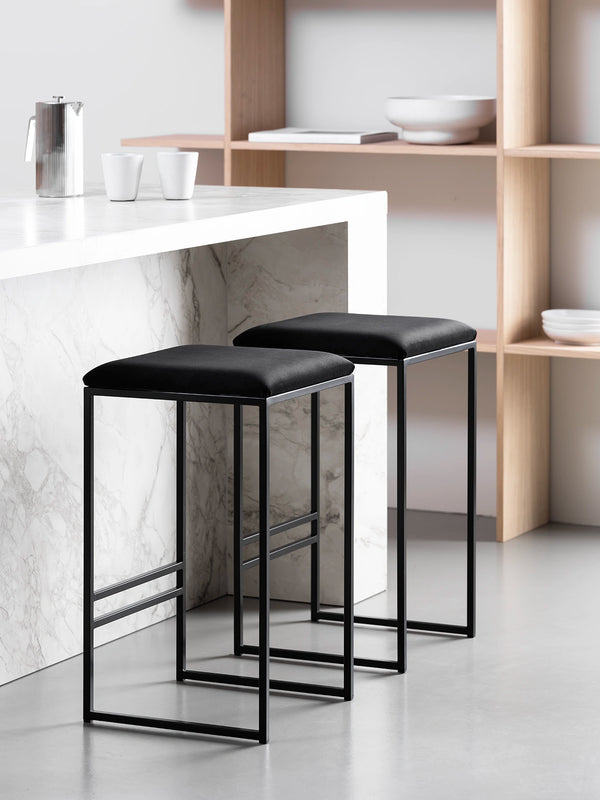
Two Freja bar stools at a marble island showing the 50-55 cm per stool spacing rule applied to a 120 cm seated island edge.

Two Freja bar stools at a marble island showing the 50-55 cm per stool spacing rule applied to a 120 cm seated island edge.

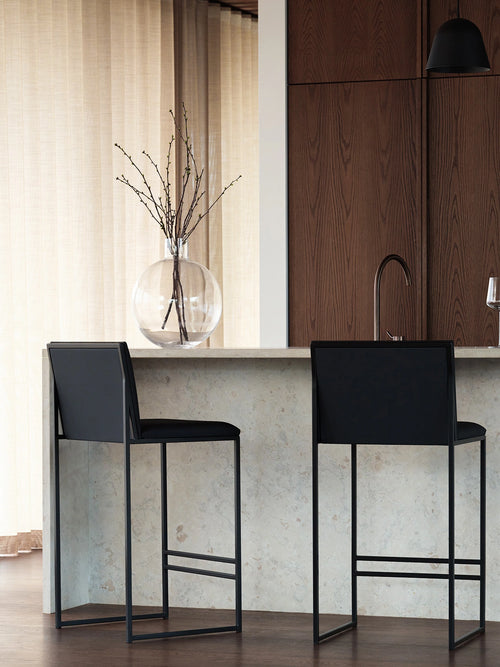
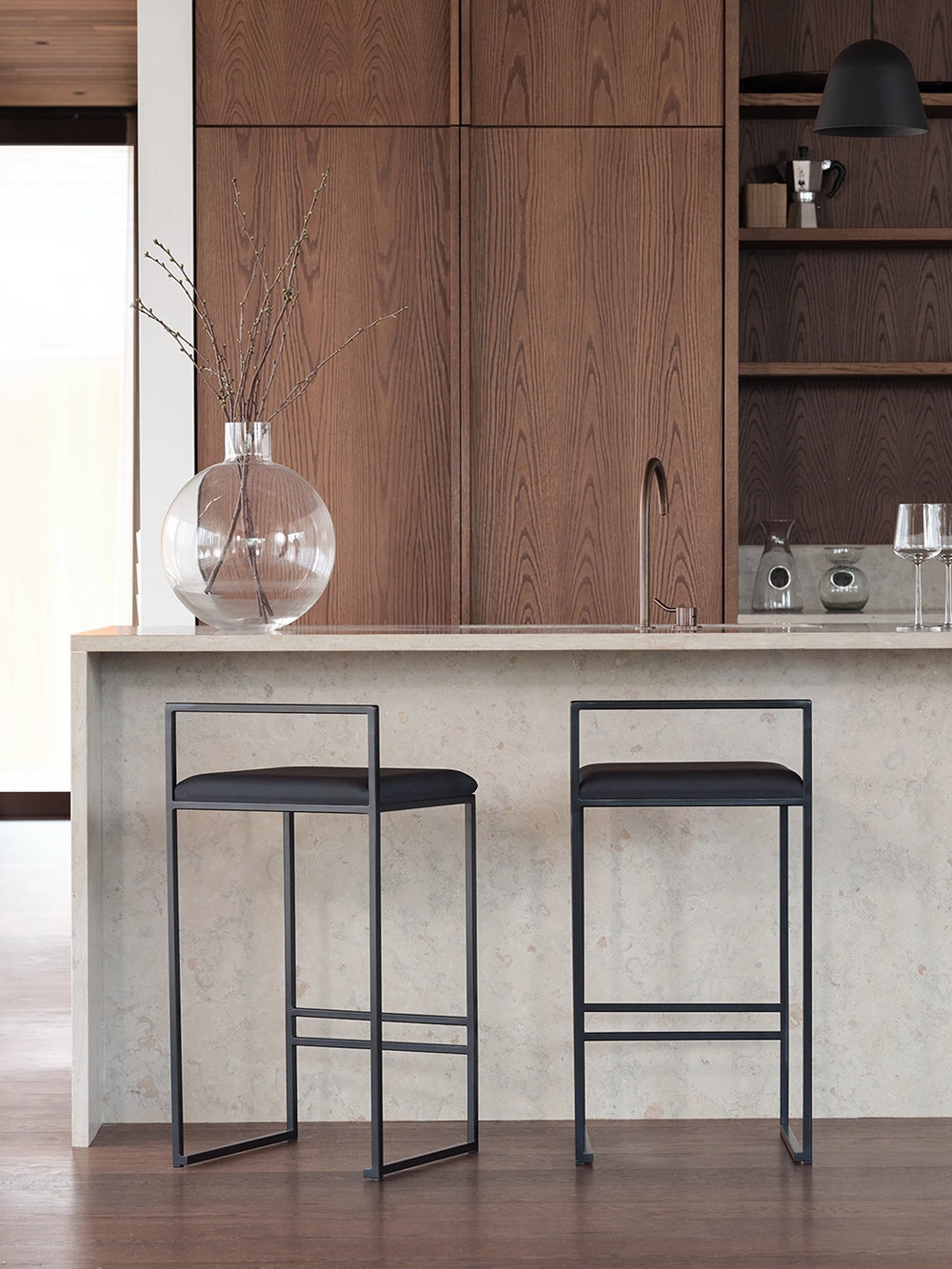
Freja bar stool with low backrest at a concrete kitchen island showing how a low-back design clears the counter line while providing lumbar support.

Freja bar stool with low backrest at a concrete kitchen island showing how a low-back design clears the counter line while providing lumbar support.

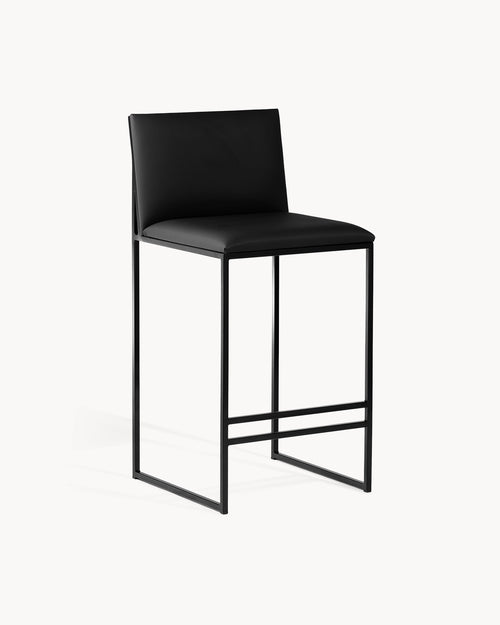
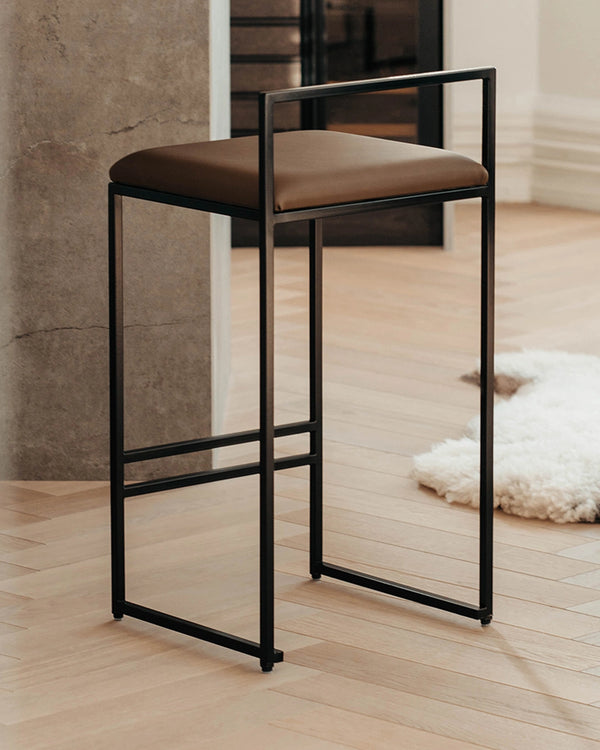
Philip bar stool with vegan leather seat at a kitchen island showing the wipe-clean seat surface suited to daily kitchen use.

Philip bar stool with vegan leather seat at a kitchen island showing the wipe-clean seat surface suited to daily kitchen use.

How Many Stools Fit on a Kitchen Island?

Divide the total seated edge length of your island by 55 cm (22"). That gives you the maximum number of stools for comfortable daily use. A 120 cm (47") island fits 2 stools. A 180 cm (71") island fits 3. A 240 cm (94") island fits 4.

Leave at least 20 cm (8") of unused island edge at each end of the seating run. If space is tight, 50 cm (20") per stool is workable but sacrifices elbow room. Do not seat at island corners: knee clearance there is typically reduced and makes the corner seat uncomfortable. See how many bar stools you need for a full calculation guide.

Divide the total seated edge length of your island by 55 cm (22"). That gives you the maximum number of stools for comfortable daily use. A 120 cm (47") island fits 2 stools. A 180 cm (71") island fits 3. A 240 cm (94") island fits 4.

Leave at least 20 cm (8") of unused island edge at each end of the seating run. If space is tight, 50 cm (20") per stool is workable but sacrifices elbow room. Do not seat at island corners: knee clearance there is typically reduced and makes the corner seat uncomfortable. See how many bar stools you need for a full calculation guide.

Backrest or Backless: Which Works Better at a Kitchen Island?

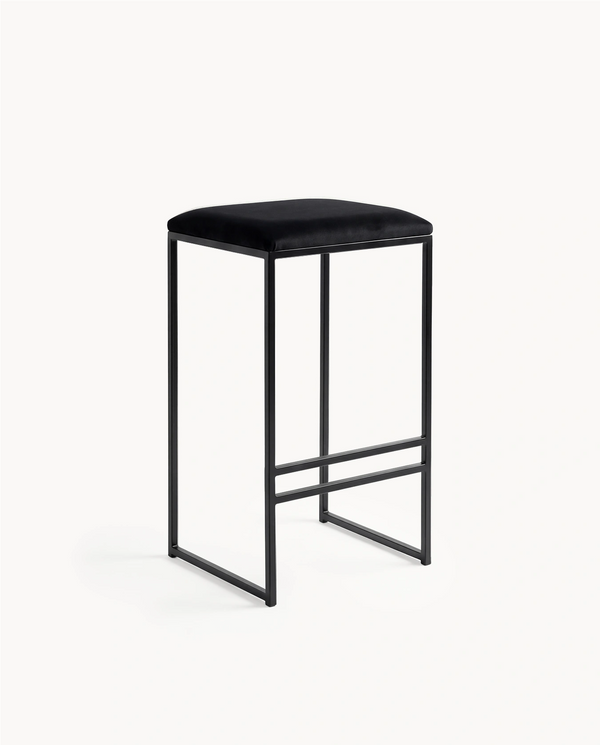
Backless stools tuck fully under the island when not in use, which matters in kitchens where the stools would otherwise block a walkway. The practical gain is real in compact open-plan layouts where every metre of floor space counts.

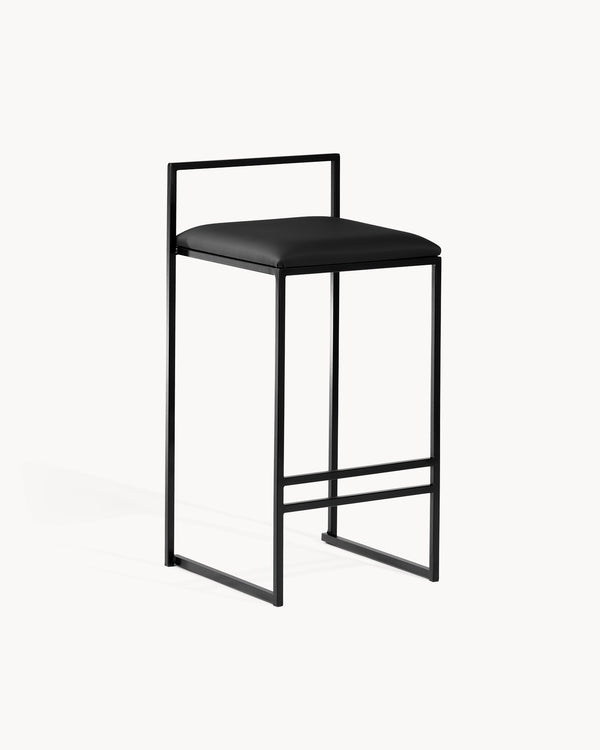
The trade-off is comfort duration. For sitting periods beyond 20-25 minutes, a backrest reduces fatigue noticeably. A low backrest, sitting roughly 40-45 cm (16-18") above the seat, offers a middle ground: lumbar support without blocking the counter line. The Freja stool uses this proportion. If your household typically eats at the island for 30 minutes or more, a low backrest earns its keep.

Backless stools tuck fully under the island when not in use, which matters in kitchens where the stools would otherwise block a walkway. The practical gain is real in compact open-plan layouts where every metre of floor space counts.

The trade-off is comfort duration. For sitting periods beyond 20-25 minutes, a backrest reduces fatigue noticeably. A low backrest, sitting roughly 40-45 cm (16-18") above the seat, offers a middle ground: lumbar support without blocking the counter line. The Freja stool uses this proportion. If your household typically eats at the island for 30 minutes or more, a low backrest earns its keep.

What Seat Material Handles Daily Kitchen Island Use?

Kitchen islands see daily contact with food, liquids, and fabric. The seat material takes the most wear. Vegan leather is the most practical choice for a kitchen context: the Valencia by Spradling fabric rated to 300,000 Martindale abrasion cycles, is antimicrobial, UV-resistant, and wipes clean with a damp cloth.

Velvet and bouclé look excellent but trap crumbs and absorb spills more readily, requiring attentive cleaning in a working kitchen. Solid oak is easy to wipe down and hardwearing, but provides no cushioning. For families with young children, a wipe-clean vegan leather seat is the practical default. If the island is used mainly for meals and cleaned regularly, velvet performs well enough in lower-traffic households.

Kitchen islands see daily contact with food, liquids, and fabric. The seat material takes the most wear. Vegan leather is the most practical choice for a kitchen context: the Valencia by Spradling fabric rated to 300,000 Martindale abrasion cycles, is antimicrobial, UV-resistant, and wipes clean with a damp cloth.

Velvet and bouclé look excellent but trap crumbs and absorb spills more readily, requiring attentive cleaning in a working kitchen. Solid oak is easy to wipe down and hardwearing, but provides no cushioning. For families with young children, a wipe-clean vegan leather seat is the practical default. If the island is used mainly for meals and cleaned regularly, velvet performs well enough in lower-traffic households.

Philip bar stool steel frame detail in a warm wood interior showing the powder-coated steel frame construction suited to daily kitchen island use.

Philip bar stool steel frame detail in a warm wood interior showing the powder-coated steel frame construction suited to daily kitchen island use.

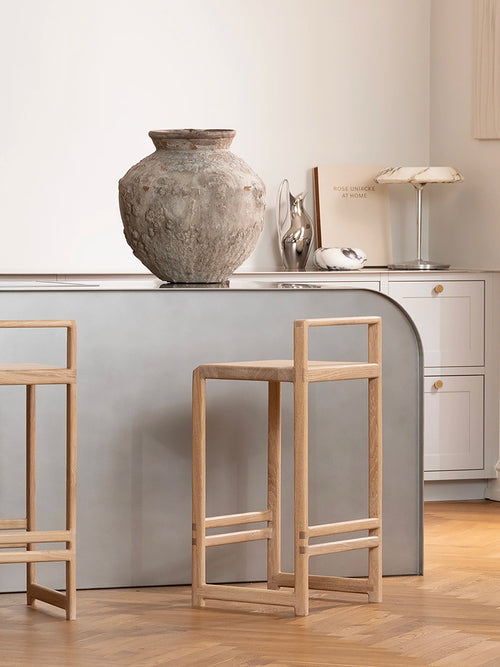
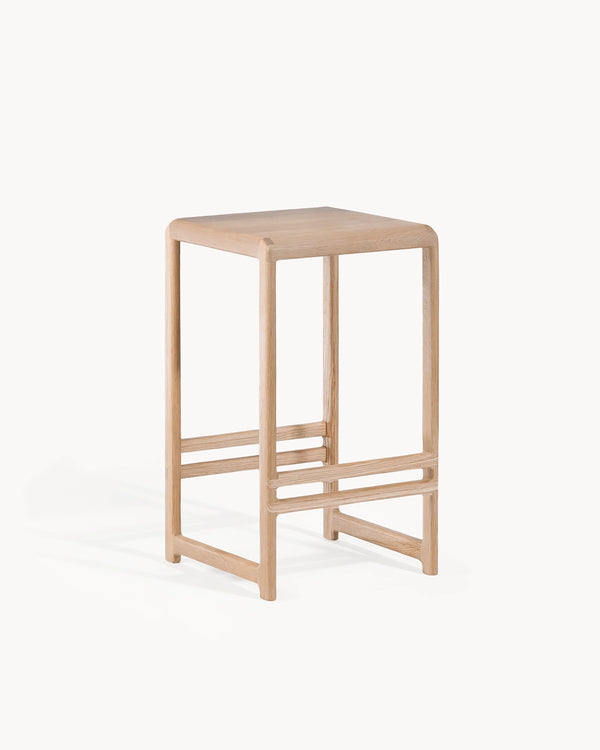
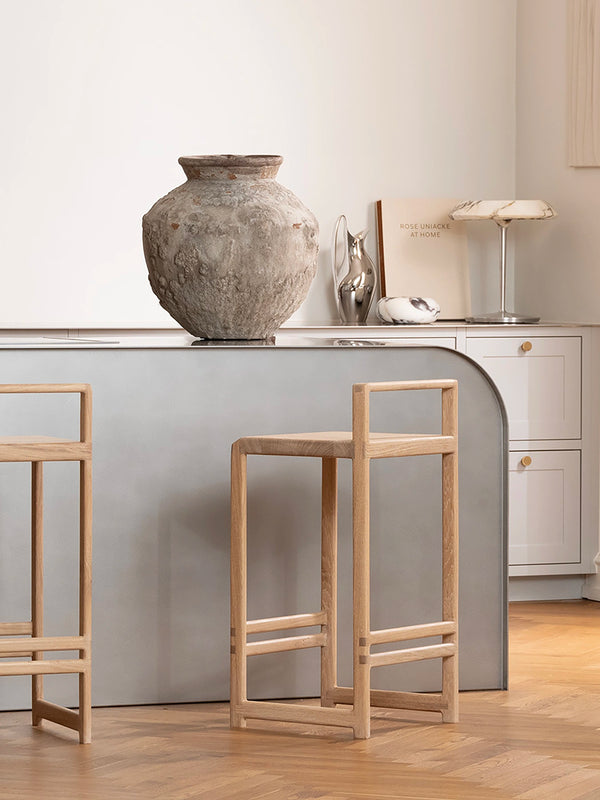
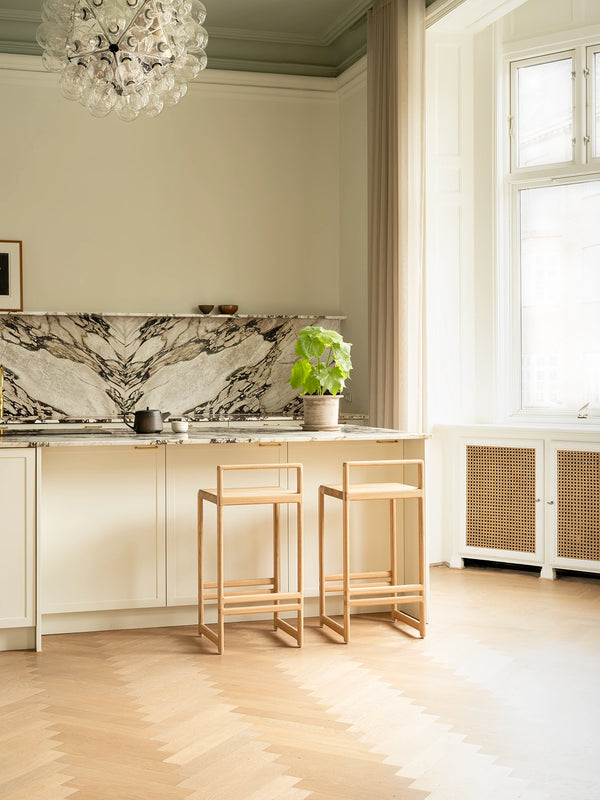
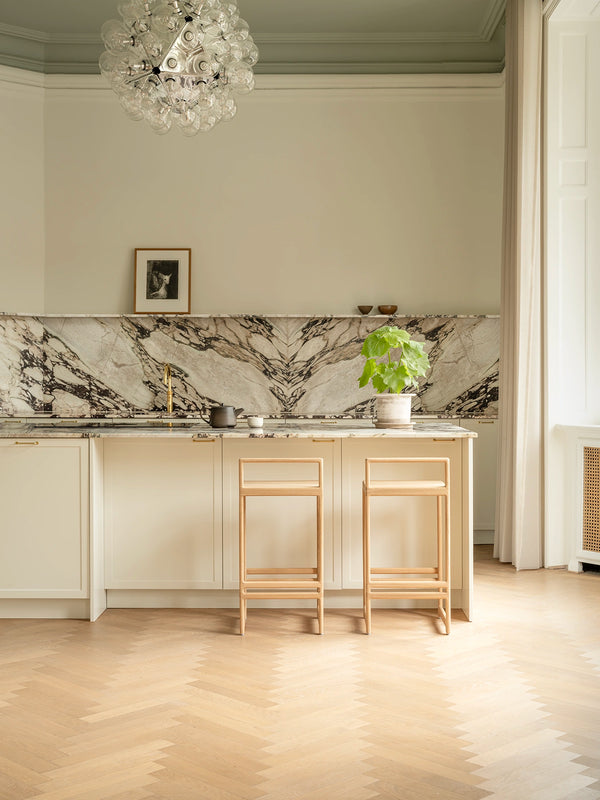
Ebba oak bar stools at a pale kitchen island showing how natural oak frames coordinate with a light Scandinavian kitchen aesthetic.

Ebba oak bar stools at a pale kitchen island showing how natural oak frames coordinate with a light Scandinavian kitchen aesthetic.

Freja bar stool in jade leather at a light wood island illustrating the checklist of height, spacing, and material decisions before purchase.

Freja bar stool in jade leather at a light wood island illustrating the checklist of height, spacing, and material decisions before purchase.

Steel or Wood Frame: Which Performs Better Long-Term?

Powder-coated steel handles daily impact loading reliably. A properly coated steel frame will not crack, split, or show joint stress under years of regular use by multiple people at varying weights. It is also consistent in appearance: the surface does not fade or discolour under normal indoor conditions.

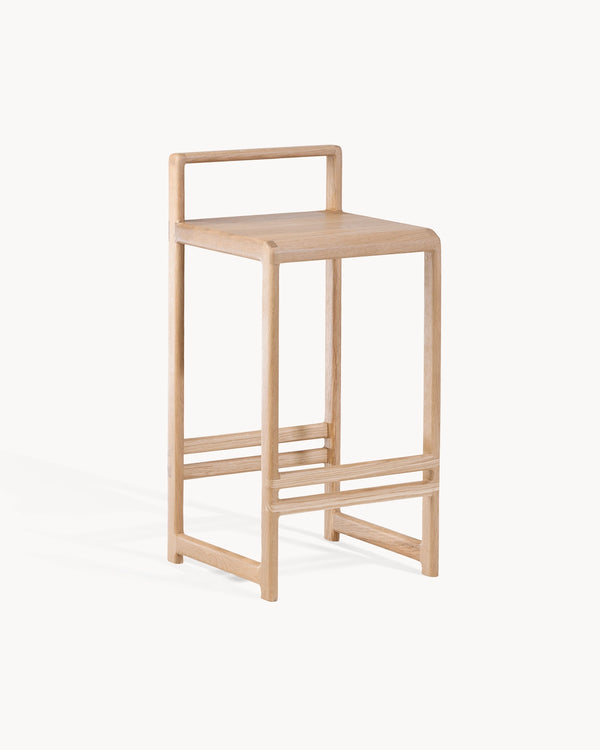
Solid oak frames are equally durable when the timber is correctly dried and the joinery is sound, but are more sensitive to humidity changes in poorly ventilated kitchens. For most kitchen islands, a steel frame with a vegan leather seat offers the best durability-to-maintenance ratio. Oak frames bring more warmth to the space but benefit from periodic inspection of the joints over a decade of use.

Powder-coated steel handles daily impact loading reliably. A properly coated steel frame will not crack, split, or show joint stress under years of regular use by multiple people at varying weights. It is also consistent in appearance: the surface does not fade or discolour under normal indoor conditions.

Solid oak frames are equally durable when the timber is correctly dried and the joinery is sound, but are more sensitive to humidity changes in poorly ventilated kitchens. For most kitchen islands, a steel frame with a vegan leather seat offers the best durability-to-maintenance ratio. Oak frames bring more warmth to the space but benefit from periodic inspection of the joints over a decade of use.

How Should Kitchen Island Stools Match the Space?

Kitchen island stools should anchor the island as a visual feature, not compete with it. If the island has a stone or marble surface, a black or warm-toned steel frame coordinates with the material edge. If the island is timber or wood-effect, oak stools maintain a consistent material language throughout the kitchen.

In kitchens with predominantly dark tones, a dark frame with a contrasting seat, such as jade leather against black steel, adds depth without clutter. In lighter open spaces, pale upholstery or natural oak keeps the room from feeling heavy. The most common mistake is mixing two different stool styles on the same island. Consistent seating makes a kitchen feel considered rather than assembled.

Kitchen island stools should anchor the island as a visual feature, not compete with it. If the island has a stone or marble surface, a black or warm-toned steel frame coordinates with the material edge. If the island is timber or wood-effect, oak stools maintain a consistent material language throughout the kitchen.

In kitchens with predominantly dark tones, a dark frame with a contrasting seat, such as jade leather against black steel, adds depth without clutter. In lighter open spaces, pale upholstery or natural oak keeps the room from feeling heavy. The most common mistake is mixing two different stool styles on the same island. Consistent seating makes a kitchen feel considered rather than assembled.

What to Check Before Buying Bar Stools for a Kitchen Island

Measure counter height before browsing. Confirm the target seat height leaves 23-26 cm (9-10") of legroom. Divide the seated island edge by 55 cm to confirm stool count. Check that the stools tuck cleanly under the island when pushed in. Decide on backrest vs backless based on typical sitting duration, not aesthetics.

Verify the seat material against your cleaning routine. Check the stool weight capacity: at by Crea, the Carl stool is rated to 150 kg, which is relevant for households with heavier users. Confirm delivery time against your kitchen handover date. All by Crea stools arrive fully assembled, which eliminates a common frustration when furnishing a newly fitted kitchen.

Measure counter height before browsing. Confirm the target seat height leaves 23-26 cm (9-10") of legroom. Divide the seated island edge by 55 cm to confirm stool count. Check that the stools tuck cleanly under the island when pushed in. Decide on backrest vs backless based on typical sitting duration, not aesthetics.

Verify the seat material against your cleaning routine. Check the stool weight capacity: at by Crea, the Carl stool is rated to 150 kg, which is relevant for households with heavier users. Confirm delivery time against your kitchen handover date. All by Crea stools arrive fully assembled, which eliminates a common frustration when furnishing a newly fitted kitchen.

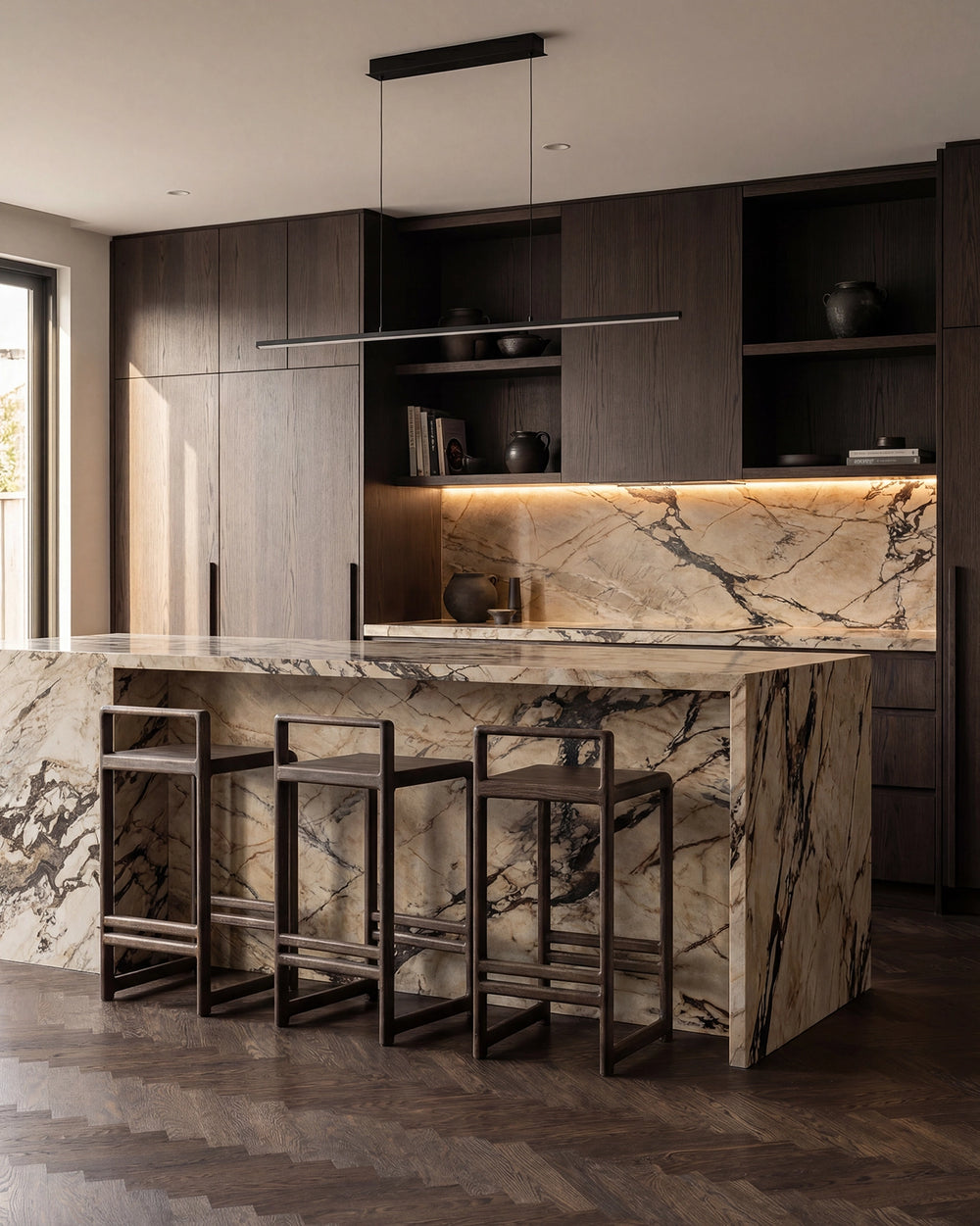
Freja and Philip bar stools at a kitchen island illustrating the completed buying decision: correct height, material, and spacing for daily use.

Freja and Philip bar stools at a kitchen island illustrating the completed buying decision: correct height, material, and spacing for daily use.

Freja and Philip bar stools at a kitchen island illustrating the completed buying decision: correct height, material, and spacing for daily use.

The Right Kitchen Island Stool Follows the Island

The island sets the parameters. Counter height, seated edge length, and daily use pattern define which stools will work long before aesthetic preferences come into play. A stool that clears 23-26 cm of legroom, fits within 55 cm of island width per seat, and handles daily kitchen cleaning will last a decade without issue.

At by Crea, the Freja, Philip, Bruno, Ebba, and Carl stools are built for kitchen island use. Heights available are 66 cm (26") for standard islands and 76 cm (30") for taller breakfast bars. All arrive fully assembled. Bestsellers ship the next working day.

Related guides

Kitchen island seating guide: spacing, overhang, and stool count explained

How many bar stools do I need for my kitchen island?: full calculation method

How much legroom do bar stools need?: seat height rules with measurements

Browse kitchen island bar stools

All bar stools: full range by height, material, and backrest

Steel bar stools: Freja, Philip, Bruno, Svea

Wooden bar stools: Ebba, Carl, Eva, Ted

The island sets the parameters. Counter height, seated edge length, and daily use pattern define which stools will work long before aesthetic preferences come into play. A stool that clears 23-26 cm of legroom, fits within 55 cm of island width per seat, and handles daily kitchen cleaning will last a decade without issue.

At by Crea, the Freja, Philip, Bruno, Ebba, and Carl stools are built for kitchen island use. Heights available are 66 cm (26") for standard islands and 76 cm (30") for taller breakfast bars. All arrive fully assembled. Bestsellers ship the next working day.

Related guides

Kitchen island seating guide: spacing, overhang, and stool count explained

How many bar stools do I need for my kitchen island?: full calculation method

How much legroom do bar stools need?: seat height rules with measurements

Browse kitchen island bar stools

All bar stools: full range by height, material, and backrest

Steel bar stools: Freja, Philip, Bruno, Svea

Wooden bar stools: Ebba, Carl, Eva, Ted

FAQ

What height bar stools do I need for a kitchen island?

Measure from the floor to the underside of your island surface and subtract 23-26 cm (9-10"). For a standard 90 cm island, this gives a 64-67 cm seat height. The standard bestseller heights at by Crea are 66 cm (26") and 76 cm (30"), covering most kitchen island and breakfast bar heights.

How many bar stools fit on a 120 cm kitchen island?

Two stools fit comfortably on a 120 cm kitchen island, using the standard 50-55 cm per stool rule. Leave 10-15 cm of clear edge at each end of the seating run. Fitting three stools on a 120 cm island is technically possible but reduces elbow room significantly.

Should kitchen island stools have a backrest?

For sitting periods under 20 minutes, backless stools work well and tuck neatly under the island. For longer sittings of 30 minutes or more, a low backrest reduces fatigue. Most kitchen island use falls in the 20-40 minute range, where a low-back option is the most practical choice.

What is the best seat material for a kitchen island stool?

Vegan leather is the most practical seat material for kitchen island use. It wipes clean, resists spills, and rated-grade options like Valencia by Spradling handle 300,000 Martindale abrasion cycles. Solid oak is also practical for easy cleaning. Velvet and bouclé require more maintenance in a working kitchen environment.

Do kitchen island bar stools need to match?

Matching stools create a more cohesive kitchen look and are generally recommended. Mixing stool styles on the same island introduces visual inconsistency. If you want variety, varying only one variable, such as seat colour with a matching frame, maintains visual unity without uniformity.
Can bar stools be used at a kitchen island if I have young children?

Yes, with the right seat material and stool weight capacity. Vegan leather seats are easy to wipe clean after meals and are antimicrobial. Check the weight capacity: the Carl stool supports up to 150 kg and includes armrests for additional stability during seated use.