Comfortable Bar Stools: Backrest, Footrest, Seat Shape, and Daily Use

Bar stool comfort is the result of five variables working together: seat height accuracy, seat shape, backrest position, footrest height, and sitting duration. Getting any one of these wrong produces discomfort regardless of how well the others are configured. Height is the most critical: an incorrectly sized stool is uncomfortable from the first minute, no matter how well designed everything else is.

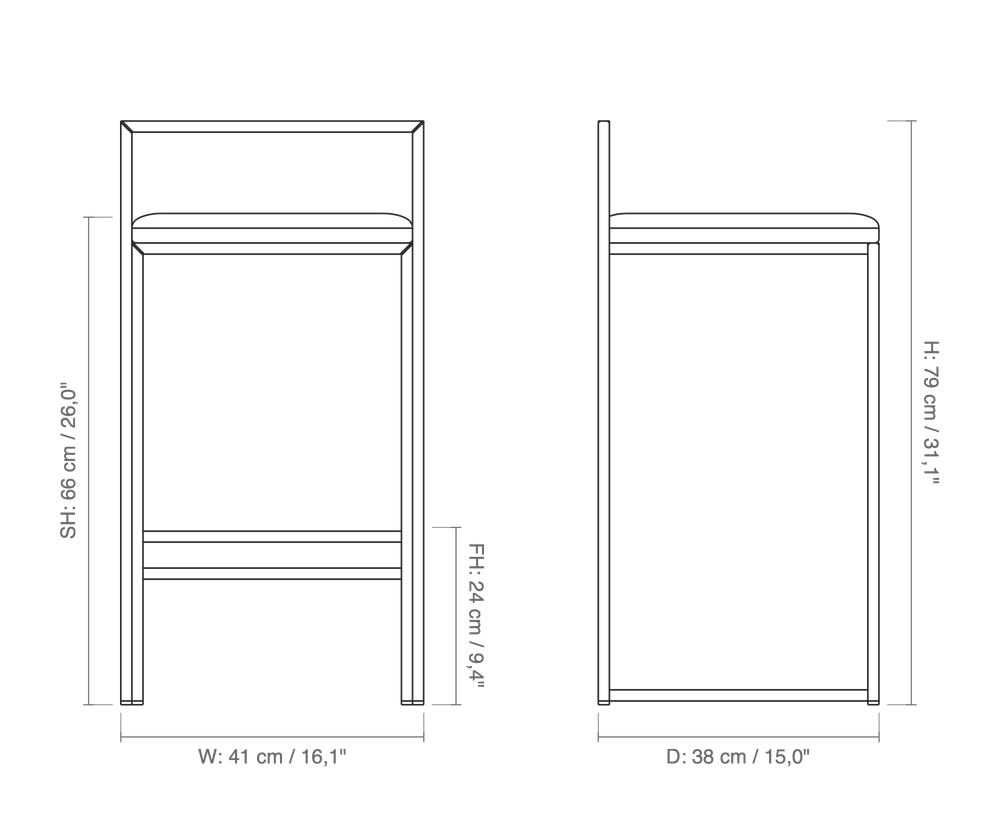
The target legroom gap is 23-26 cm (9-10") between the seat and the counter underside. Backrest height determines lumbar support. A footrest positioned 25-30 cm (10-12") below the seat supports the lower leg and reduces fatigue for sittings beyond 20 minutes. Seat shape distributes pressure.

Browse all bar stools or explore the seat height guide to find the right fit.

Bar stool comfort is the result of five variables working together: seat height accuracy, seat shape, backrest position, footrest height, and sitting duration. Getting any one of these wrong produces discomfort regardless of how well the others are configured. Height is the most critical: an incorrectly sized stool is uncomfortable from the first minute, no matter how well designed everything else is.

The target legroom gap is 23-26 cm (9-10") between the seat and the counter underside. Backrest height determines lumbar support. A footrest positioned 25-30 cm (10-12") below the seat supports the lower leg and reduces fatigue for sittings beyond 20 minutes. Seat shape distributes pressure.

Browse all bar stools or explore the seat height guide to find the right fit.

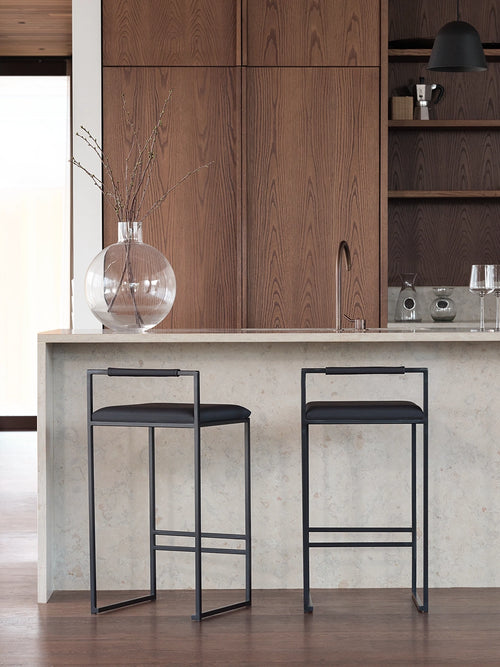
Philip bar stool at a marble island with posture diagram showing neutral seated position: feet on footrest, thighs horizontal, back upright.

Philip bar stool at a marble island with posture diagram showing neutral seated position: feet on footrest, thighs horizontal, back upright.

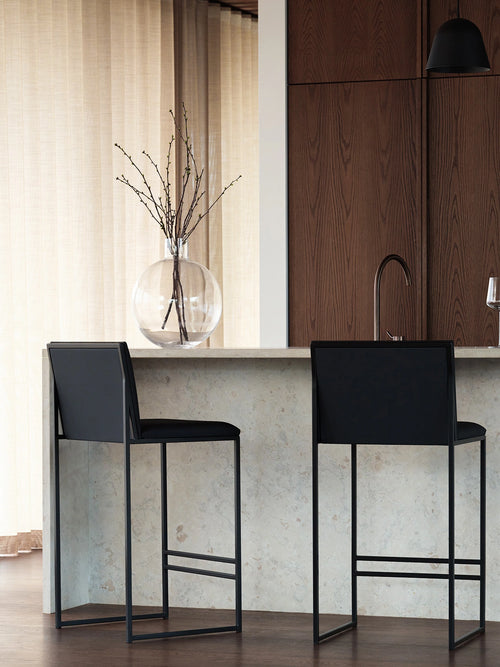
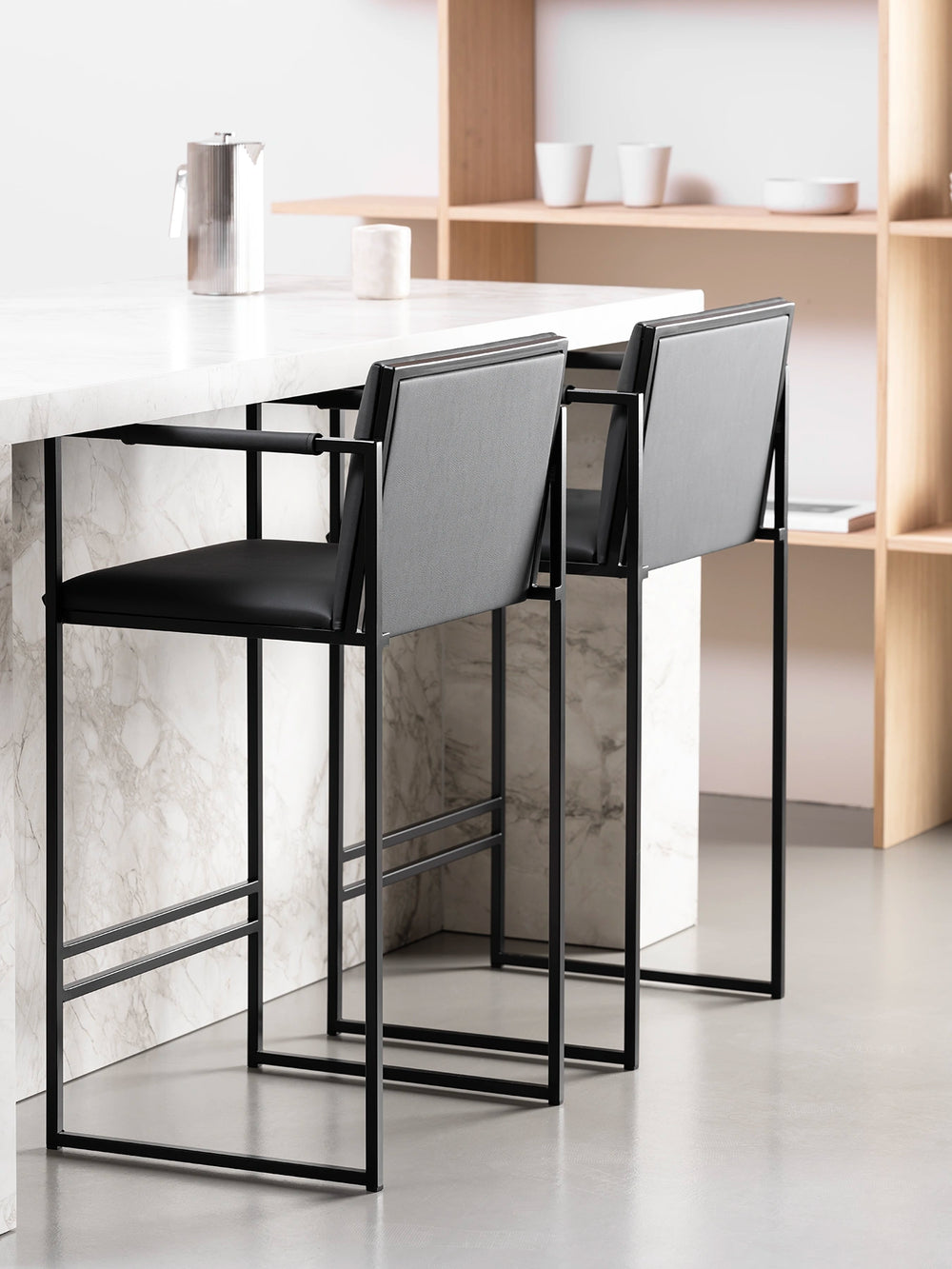
Philip bar stool high backrest at a marble island showing the back support zone from lumbar to mid-back that makes extended sitting comfortable.

Philip bar stool high backrest at a marble island showing the back support zone from lumbar to mid-back that makes extended sitting comfortable.

What Makes a Bar Stool Genuinely Comfortable?

Quick reference: the five comfort variables with target measurements

Seat height: counter underside minus 23–26 cm

Footrest height: 25–30 cm below seat surface

Seat width: minimum 40 cm for adult proportions

Seat depth: 35–40 cm

Backrest height above seat: 25–35 cm provides mid-back support

Genuine bar stool comfort is not defined by softness. It is defined by whether the seated position is sustainable. A stool is comfortable when the body is in a neutral posture: feet supported, thighs horizontal or slightly angled down, back upright without muscular effort, and arms resting at a natural height relative to the counter.

Achieving this position requires the seat height to be matched to the counter height, the footrest to be at the right position below the seat, and the seat shape to distribute weight without creating pressure points. A soft seat with the wrong height is more uncomfortable than a firm seat at the correct height. Comfort is an engineering problem before it is a material choice.

Quick reference: the five comfort variables with target measurements

Seat height: counter underside minus 23–26 cm

Footrest height: 25–30 cm below seat surface

Seat width: minimum 40 cm for adult proportions

Seat depth: 35–40 cm

Backrest height above seat: 25–35 cm provides mid-back support

Genuine bar stool comfort is not defined by softness. It is defined by whether the seated position is sustainable. A stool is comfortable when the body is in a neutral posture: feet supported, thighs horizontal or slightly angled down, back upright without muscular effort, and arms resting at a natural height relative to the counter.

Achieving this position requires the seat height to be matched to the counter height, the footrest to be at the right position below the seat, and the seat shape to distribute weight without creating pressure points. A soft seat with the wrong height is more uncomfortable than a firm seat at the correct height. Comfort is an engineering problem before it is a material choice.

How Does a Backrest Affect Comfort in Daily Use?

A backrest affects comfort primarily for sittings beyond 20-25 minutes. For shorter periods, a backless stool is comfortable for most adults when the seat height is correct. Beyond 25 minutes, without back support the core and lower back muscles begin to fatigue from the effort of maintaining an upright posture.

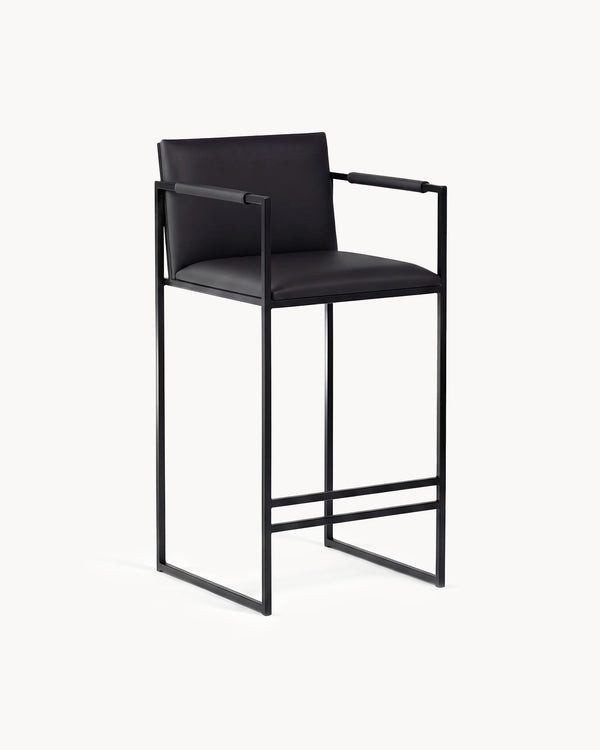
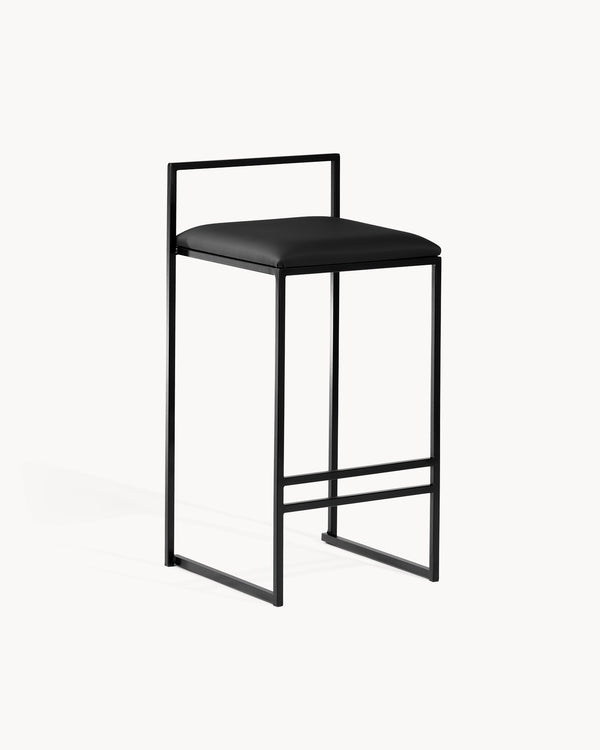
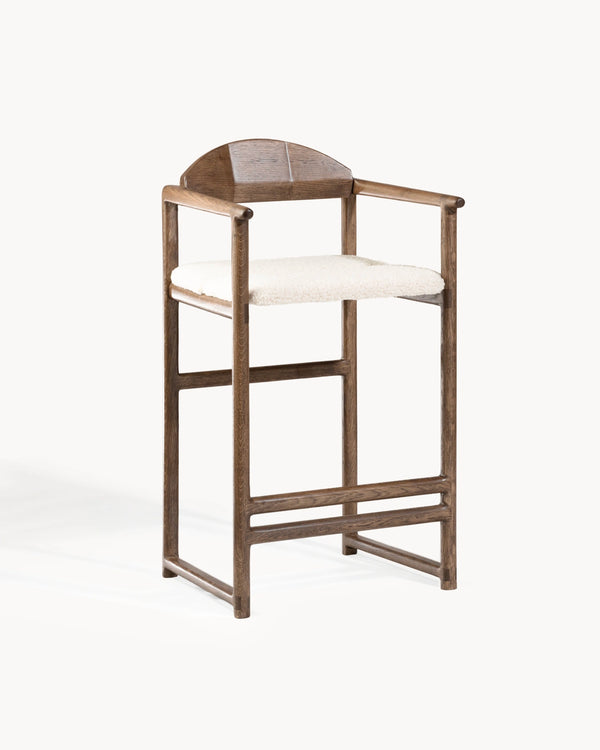
Low backrests positioned 35-45 cm (14-18") above the seat provide lumbar support at the natural curve of the lower back. Higher backrests extending to 55-65 cm (22-26") above the seat support the full back and are suited to longer sittings of 45 minutes or more. The Philip stool uses a higher backrest suited to extended kitchen island use. The Freja uses a low backrest suited to meals and shorter sessions.

A backrest affects comfort primarily for sittings beyond 20-25 minutes. For shorter periods, a backless stool is comfortable for most adults when the seat height is correct. Beyond 25 minutes, without back support the core and lower back muscles begin to fatigue from the effort of maintaining an upright posture.

Low backrests positioned 35-45 cm (14-18") above the seat provide lumbar support at the natural curve of the lower back. Higher backrests extending to 55-65 cm (22-26") above the seat support the full back and are suited to longer sittings of 45 minutes or more. The Philip stool uses a higher backrest suited to extended kitchen island use. The Freja uses a low backrest suited to meals and shorter sessions.

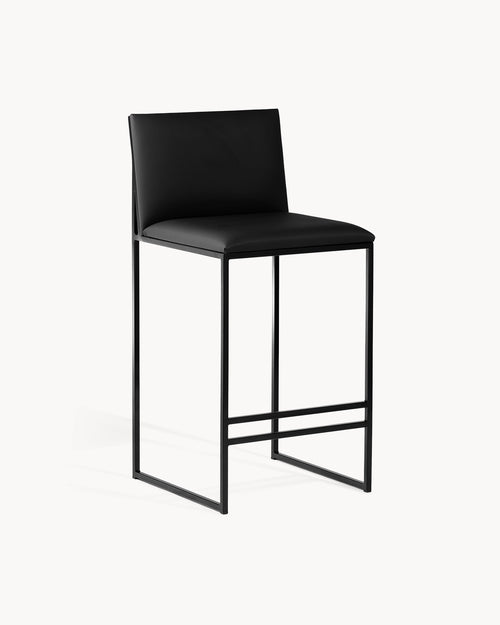
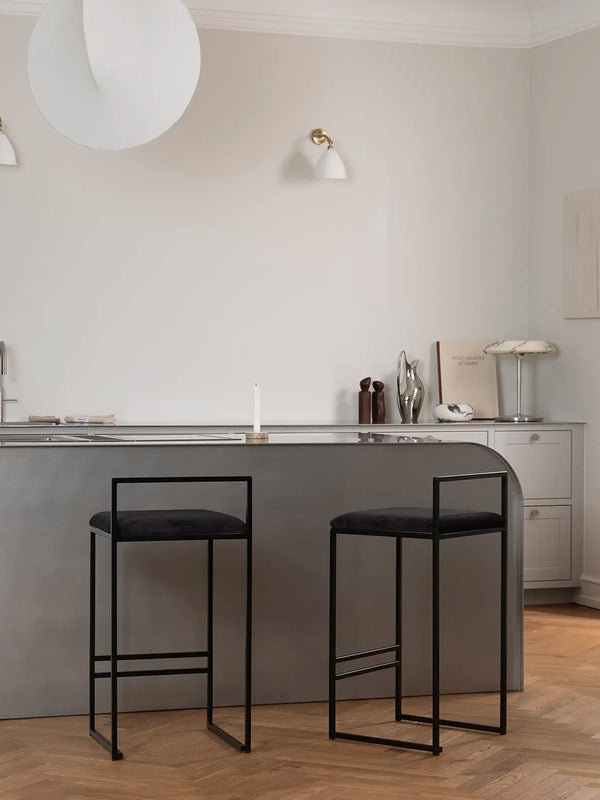
Freja bar stool at a concrete island with footrest annotated showing the 25-30 cm position below seat that supports the lower leg during sitting.

Freja bar stool at a concrete island with footrest annotated showing the 25-30 cm position below seat that supports the lower leg during sitting.

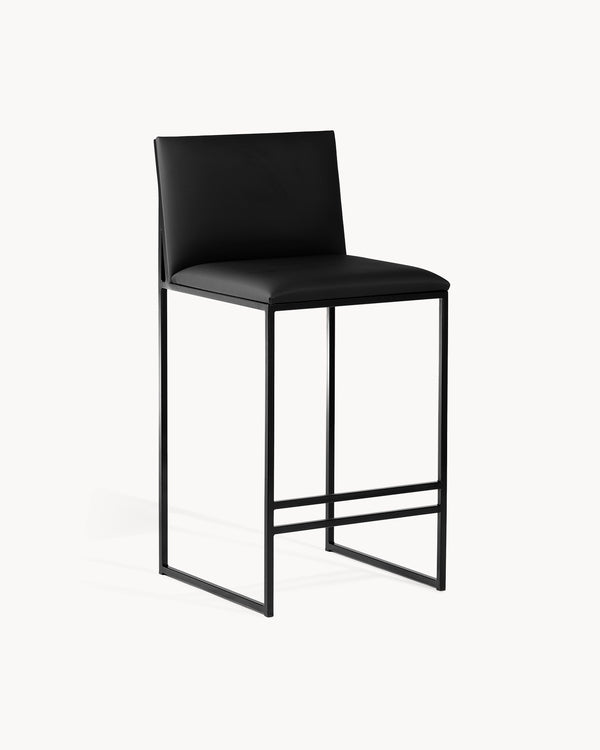
Philip bar stool close-up showing the contoured seat surface and rounded front edge that distributes seated body weight without pressure points.

Philip bar stool close-up showing the contoured seat surface and rounded front edge that distributes seated body weight without pressure points.

Freja bar stool vegan leather seat surface close-up showing the 55 kg foam density seat that retains support shape over daily kitchen use.

Freja bar stool vegan leather seat surface close-up showing the 55 kg foam density seat that retains support shape over daily kitchen use.

Why Footrest Position Matters for Sustained Sitting

When a bar stool lacks a footrest or has a footrest at the wrong height, the lower legs hang unsupported. The weight of the lower leg pulls on the hamstring and creates sustained pressure on the underside of the thigh. After 15-20 minutes, this produces a sensation of the legs falling asleep and increasing discomfort.

A footrest positioned 25-30 cm (10-12") below the seat allows the knee to bend at approximately 90 degrees with the foot resting naturally. This relieves the hamstring tension, supports the lower leg weight, and makes the seated position sustainable for much longer. At by Crea, all steel-framed bar stools include a footrest ring or bar at the correct ergonomic position.

When a bar stool lacks a footrest or has a footrest at the wrong height, the lower legs hang unsupported. The weight of the lower leg pulls on the hamstring and creates sustained pressure on the underside of the thigh. After 15-20 minutes, this produces a sensation of the legs falling asleep and increasing discomfort.

A footrest positioned 25-30 cm (10-12") below the seat allows the knee to bend at approximately 90 degrees with the foot resting naturally. This relieves the hamstring tension, supports the lower leg weight, and makes the seated position sustainable for much longer. At by Crea, all steel-framed bar stools include a footrest ring or bar at the correct ergonomic position.

How Seat Shape Determines Comfort More Than Material

Seat shape affects pressure distribution. A flat seat concentrates body weight under the two sitting bones, creating pressure points that become uncomfortable after 15-20 minutes regardless of material. A seat with a gentle saddle contour distributes weight across a broader area, reducing peak pressure significantly.

Rounded front seat edges reduce pressure on the underside of the thighs. A squared front edge cuts into the thigh at the seat-edge contact point, which causes numbness and discomfort faster than almost any other design variable. Seat width also matters: a seat narrower than 38 cm restricts natural hip positioning. The combination of contoured surface, rounded front edge, and adequate width produces a seat that is comfortable at 100 words per section, not just on first contact.

Seat shape affects pressure distribution. A flat seat concentrates body weight under the two sitting bones, creating pressure points that become uncomfortable after 15-20 minutes regardless of material. A seat with a gentle saddle contour distributes weight across a broader area, reducing peak pressure significantly.

Rounded front seat edges reduce pressure on the underside of the thighs. A squared front edge cuts into the thigh at the seat-edge contact point, which causes numbness and discomfort faster than almost any other design variable. Seat width also matters: a seat narrower than 38 cm restricts natural hip positioning. The combination of contoured surface, rounded front edge, and adequate width produces a seat that is comfortable at 100 words per section, not just on first contact.

What Seat Material Is Most Comfortable Long-Term?

For short sittings under 20 minutes, seat material has limited impact on comfort if shape is correct. Solid wood, vegan leather over foam, velvet over foam, and bouclé over foam all perform comparably at this duration when the seat is shaped correctly.

For longer sittings, foam density becomes relevant. By Crea uses 55 kg per cubic metre cold-cut foam, which provides firm support without bottoming out under sustained weight. Lower-density foam at 28-35 kg per cubic metre compresses over months of use and loses its support properties. The vegan leather Valencia fabric rated to 300,000 Martindale cycles maintains its surface quality over the life of the foam, preventing the seat from needing replacement due to fabric wear before foam wear.

For short sittings under 20 minutes, seat material has limited impact on comfort if shape is correct. Solid wood, vegan leather over foam, velvet over foam, and bouclé over foam all perform comparably at this duration when the seat is shaped correctly.

For longer sittings, foam density becomes relevant. By Crea uses 55 kg per cubic metre cold-cut foam, which provides firm support without bottoming out under sustained weight. Lower-density foam at 28-35 kg per cubic metre compresses over months of use and loses its support properties. The vegan leather Valencia fabric rated to 300,000 Martindale cycles maintains its surface quality over the life of the foam, preventing the seat from needing replacement due to fabric wear before foam wear.

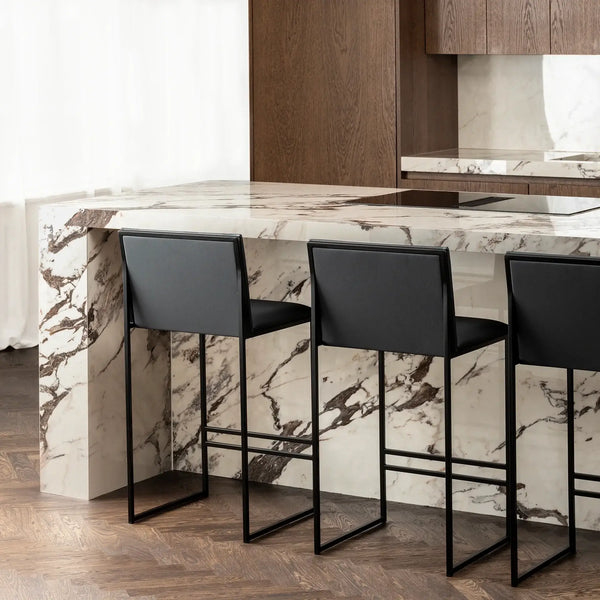
Freja bar stool at a marble island with the 23-26 cm legroom gap annotated between seat top and counter underside showing the height accuracy rule.

Freja bar stool at a marble island with the 23-26 cm legroom gap annotated between seat top and counter underside showing the height accuracy rule.

Philip bar stool high-back at a marble island and Freja low-back at a concrete island showing how backrest height matches different sitting duration requirements.

Philip bar stool high-back at a marble island and Freja low-back at a concrete island showing how backrest height matches different sitting duration requirements.

Freja bar stool with replaceable cushion lifted to show the two-screw attachment system that allows the seat to be replaced when foam reaches end of life.

Freja bar stool with replaceable cushion lifted to show the two-screw attachment system that allows the seat to be replaced when foam reaches end of life.

How Does Seat Height Accuracy Affect Comfort?

Seat height is the single variable with the largest impact on bar stool comfort. An incorrectly matched height creates either upward pressure on the thighs from the counter, if too tall, or raised shoulders from the arms resting above comfort level, if too short. Both are uncomfortable from minute one and cannot be compensated by any other design feature.

The correct seat height leaves 23-26 cm (9-10") between the seat surface and the underside of the counter. This gap accommodates natural thigh depth and allows the upper leg to rest horizontally or slightly angled downward without counter contact. For a 90 cm kitchen island, the correct seat height is 64-67 cm. The by Crea standard of 66 cm (26") is calibrated for this most common counter height range.

Seat height is the single variable with the largest impact on bar stool comfort. An incorrectly matched height creates either upward pressure on the thighs from the counter, if too tall, or raised shoulders from the arms resting above comfort level, if too short. Both are uncomfortable from minute one and cannot be compensated by any other design feature.

The correct seat height leaves 23-26 cm (9-10") between the seat surface and the underside of the counter. This gap accommodates natural thigh depth and allows the upper leg to rest horizontally or slightly angled downward without counter contact. For a 90 cm kitchen island, the correct seat height is 64-67 cm. The by Crea standard of 66 cm (26") is calibrated for this most common counter height range.

How Long Can You Sit Comfortably on a Bar Stool?

Sitting duration is the variable that determines which stool specification is appropriate. Backless stools are comfortable for 15-20 minutes for most adults. Low-backrest stools extend comfortable sitting to 30-40 minutes. High-backrest stools with footrest support are comfortable for 45-60 minute sittings. For longer periods, armrests, as on the Bruno stool, reduce shoulder fatigue further.

Most kitchen island use falls in the 15-40 minute range: breakfasts, lunches, evening meals, casual conversation. A low-backrest stool with a footrest covers this range for the majority of households. High-backrest models are appropriate when the island doubles as a working surface or when the household regularly has longer meals.

Sitting duration is the variable that determines which stool specification is appropriate. Backless stools are comfortable for 15-20 minutes for most adults. Low-backrest stools extend comfortable sitting to 30-40 minutes. High-backrest stools with footrest support are comfortable for 45-60 minute sittings. For longer periods, armrests, as on the Bruno stool, reduce shoulder fatigue further.

Most kitchen island use falls in the 15-40 minute range: breakfasts, lunches, evening meals, casual conversation. A low-backrest stool with a footrest covers this range for the majority of households. High-backrest models are appropriate when the island doubles as a working surface or when the household regularly has longer meals.

When Does a Bar Stool Stop Being Comfortable?

A bar stool stops being comfortable when the sitting position it allows deviates significantly from neutral. This happens in five scenarios: the seat is too high or too low for the counter; the seat has no footrest and the lower legs hang unsupported; the seat shape creates sustained pressure points; the foam has compressed below its functional support threshold; or the backrest is at the wrong height for the user's back length.

The first three can be assessed before buying. The fourth is a maintenance issue that occurs after three to five years with inadequate foam. The fifth is a design or specification issue. At by Crea, the Freja and Carl models use replaceable seat cushions, which address the fourth scenario: when the foam reaches the end of its functional life, the cushion is replaced rather than the whole stool.

A bar stool stops being comfortable when the sitting position it allows deviates significantly from neutral. This happens in five scenarios: the seat is too high or too low for the counter; the seat has no footrest and the lower legs hang unsupported; the seat shape creates sustained pressure points; the foam has compressed below its functional support threshold; or the backrest is at the wrong height for the user's back length.

The first three can be assessed before buying. The fourth is a maintenance issue that occurs after three to five years with inadequate foam. The fifth is a design or specification issue. At by Crea, the Freja and Carl models use replaceable seat cushions, which address the fourth scenario: when the foam reaches the end of its functional life, the cushion is replaced rather than the whole stool.

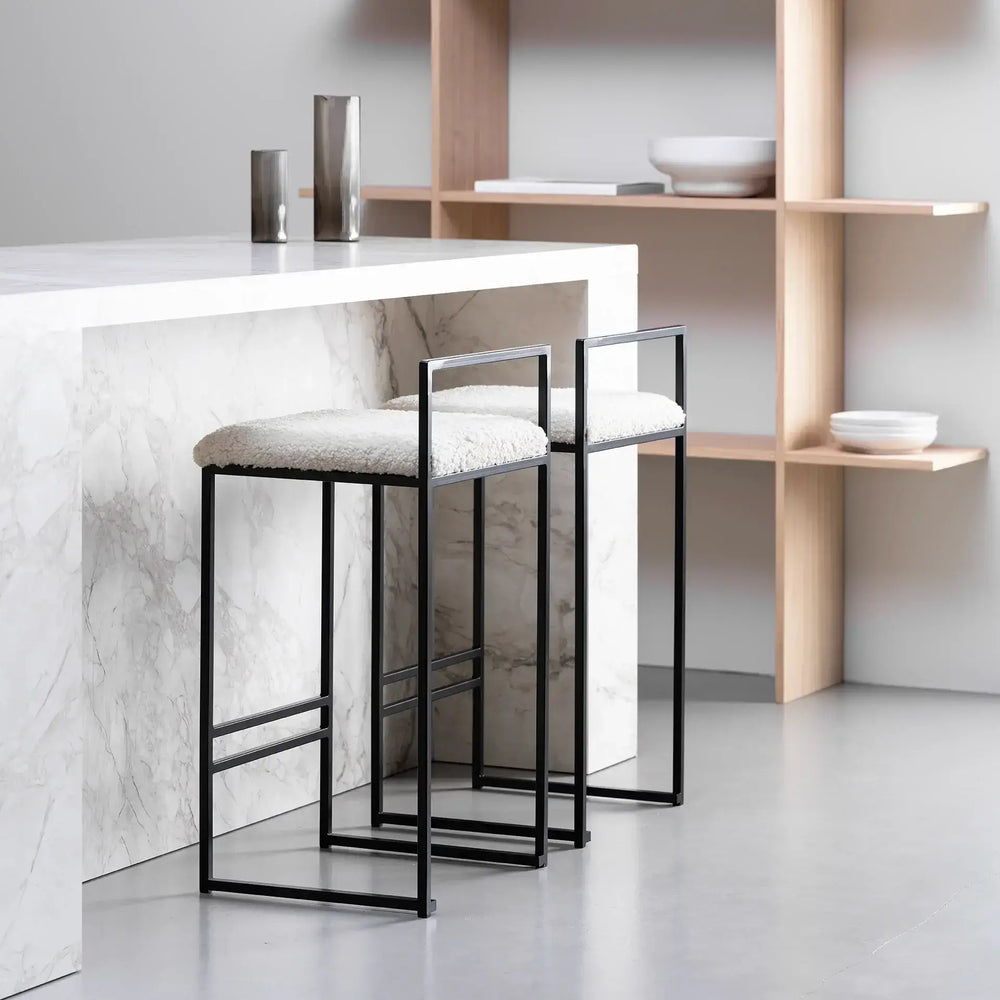
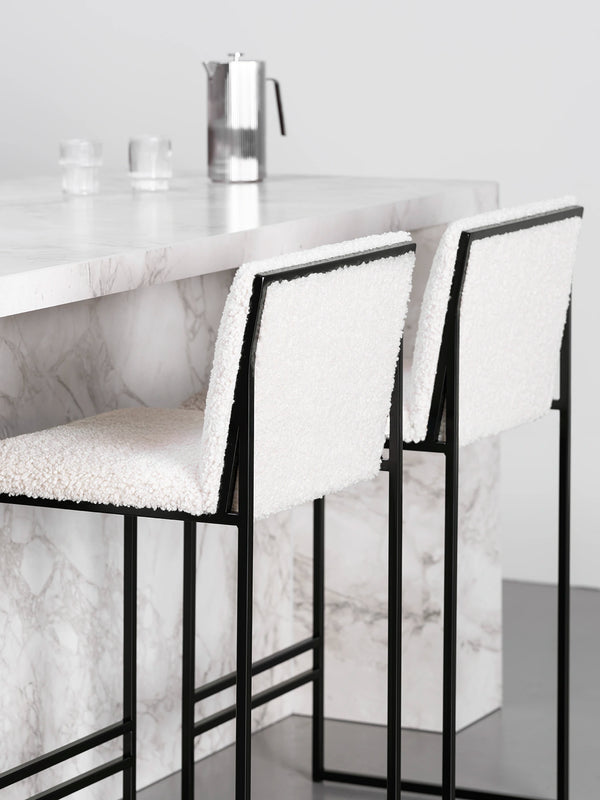
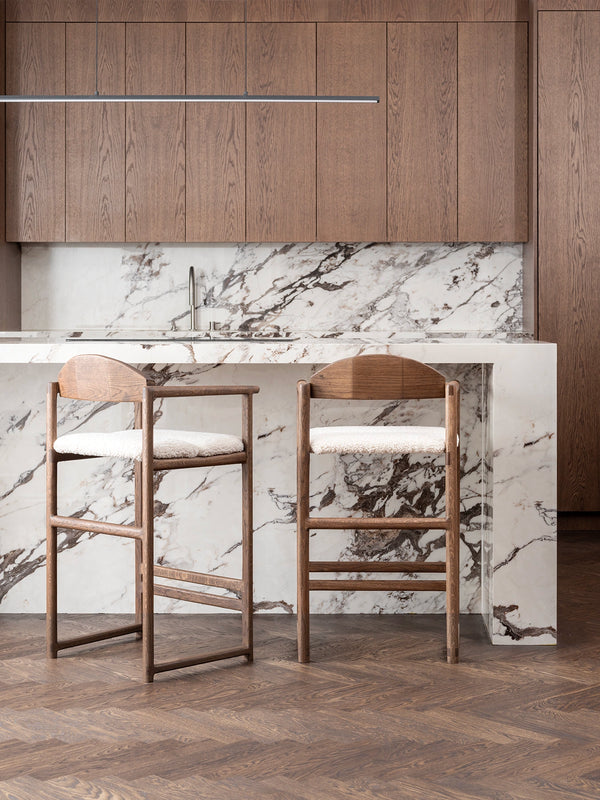
Philip bar stool in bouclé at a marble island showing the full ergonomic specification: high backrest, footrest ring, contoured seat, and correct counter height.

Philip bar stool in bouclé at a marble island showing the full ergonomic specification: high backrest, footrest ring, contoured seat, and correct counter height.

Philip bar stool in bouclé at a marble island showing the full ergonomic specification: high backrest, footrest ring, contoured seat, and correct counter height.

Comfortable Bar Stools Follow a Simple Equation

Comfort in bar seating is not mysterious. It follows from correct height, a supportive seat shape, a footrest at the right position, and a backrest matched to how long the household typically sits. Every variable is measurable and every specification decision has a predictable comfort outcome.

The cases where bar stools feel uncomfortable are almost always traceable to one misconfigured variable: the wrong seat height, a flat seat, a footrest at the wrong height, or foam that has compressed beyond its useful life. Identifying which variable is the issue and correcting it resolves the discomfort in almost every case.

At by Crea, the Philip and Bruno stools are designed for extended sitting with high backrests and supported footrests. The Freja covers the 20-40 minute range with a low backrest and ergonomic footrest ring. The Ebba and Carl are wood-seated stools suited to shorter daily use.

Related guides

Are wooden bar stools comfortable long-term?: comfort guide for solid wood seating

How much legroom do bar stools need?: seat height calculation method

How to choose bar stools for your kitchen: full buying guide

Browse comfortable bar stools

All bar stools: filter by backrest type and height

Steel bar stools: Philip, Bruno, Freja with ergonomic footrests

Comfort in bar seating is not mysterious. It follows from correct height, a supportive seat shape, a footrest at the right position, and a backrest matched to how long the household typically sits. Every variable is measurable and every specification decision has a predictable comfort outcome.

The cases where bar stools feel uncomfortable are almost always traceable to one misconfigured variable: the wrong seat height, a flat seat, a footrest at the wrong height, or foam that has compressed beyond its useful life. Identifying which variable is the issue and correcting it resolves the discomfort in almost every case.

At by Crea, the Philip and Bruno stools are designed for extended sitting with high backrests and supported footrests. The Freja covers the 20-40 minute range with a low backrest and ergonomic footrest ring. The Ebba and Carl are wood-seated stools suited to shorter daily use.

Related guides

Are wooden bar stools comfortable long-term?: comfort guide for solid wood seating

How much legroom do bar stools need?: seat height calculation method

How to choose bar stools for your kitchen: full buying guide

Browse comfortable bar stools

All bar stools: filter by backrest type and height

Steel bar stools: Philip, Bruno, Freja with ergonomic footrests

FAQ

What is the most comfortable type of bar stool?

The most comfortable bar stool for daily kitchen use combines correct seat height for the counter, a low to mid-height backrest for lumbar support, a footrest positioned 25-30 cm below the seat, and a contoured seat with rounded front edges. For sittings of 30-45 minutes, this specification covers the comfort requirements of most adults.

Are backless bar stools comfortable?

Backless bar stools are comfortable for sitting periods under 20-25 minutes when the seat height is correct and the seat has a good shape. Beyond 25 minutes, the absence of back support requires continuous muscular effort to maintain an upright posture, which causes fatigue. For longer sittings, a low or high backrest improves comfort significantly.

Does a footrest make a bar stool more comfortable?

Yes. A footrest at 25-30 cm below the seat supports the lower leg and relieves tension on the hamstrings and underside of the thigh. Without a footrest, the lower legs hang unsupported, creating pressure on the thigh and causing fatigue and numbness in 15-20 minutes. A footrest extends comfortable sitting duration noticeably.

How firm should a bar stool seat be?

A bar stool seat should be firm enough to maintain its shape under body weight, not so hard that it creates pressure points. High-density foam at 50-55 kg per cubic metre provides the right balance: it absorbs initial contact without bottoming out under sustained weight. Lower-density foam collapses over time. Solid wood is firm but comfortable short-term when the seat is well contoured.

Why does my bar stool become uncomfortable after 20 minutes?

Discomfort after 20 minutes usually comes from one of three causes: the seat height is slightly wrong, creating thigh pressure against the counter or an unnaturally raised arm position; the footrest is missing or at the wrong height, causing lower leg fatigue; or the seat is flat and concentrates pressure on two points beneath the sitting bones. Identifying which applies resolves the issue.

What is the most comfortable seat material for bar stools?

For comfort combined with durability, high-density foam (55 kg per cubic metre) covered with vegan leather is the most practical combination. The foam provides pressure distribution and the leather surface is easy to clean, durable, and does not trap heat as much as synthetic alternatives. Velvet over the same foam specification is softer but requires more careful maintenance.