Scandinavian Dining Chairs: What Defines the Style and How to Choose
By Alexandra PetterssonReviewed by Alexander TjernströmUpdated
Short answer
Oak
or slim black steel
Simple
lines, no decoration
Shape
comfort built into the form
A Scandinavian dining chair is usually defined by honest materials, usually solid oak or slim black steel, simple lines without decoration, and comfort built into the shape rather than added on top. Choose oak in a natural, dark or black finish for warmth, or a black steel frame with a soft seat for a modern Nordic look, and keep the palette to wood, black and warm neutrals.
Scandinavian design is often reduced to a look: pale wood, white walls, a single plant. The chairs that define it are about more than the look. They use real materials, show how they are made, and are shaped so that they are comfortable without padding for show. This guide explains what makes a dining chair Scandinavian, which materials and colours belong to the style, whether Scandinavian chairs are comfortable, how the style differs from Japandi, and how our own chairs, designed and made in Sweden, fit the tradition.
What makes a dining chair Scandinavian?
Usually honest, natural materials, simple lines without decoration, and comfort built into the shape; the style favours a few good pieces made to last.
A Scandinavian chair tends to show its construction instead of hiding it. The joints, the grain of the wood and the line of the frame are the decoration.
Function comes first. The seat height suits the table, the chair is light enough to move, and it is made to be used every day for many years, not to be replaced when fashions change.
Which materials are typical of Scandinavian dining chairs?
Solid wood, above all oak and ash, and in modern Nordic design slim steel, paired with wool, bouclé or vegan leather.
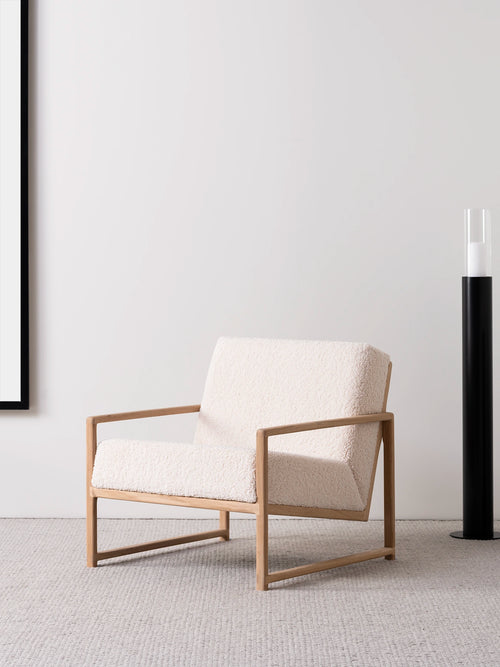
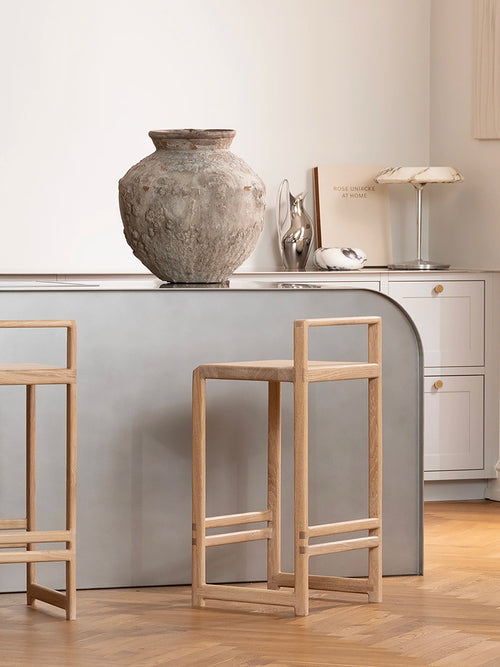
Oak is the classic: hard-wearing, warm in tone and beautiful as it ages. Steel arrived with modernism and fits the same idea, a thin, honest line that does one job well.
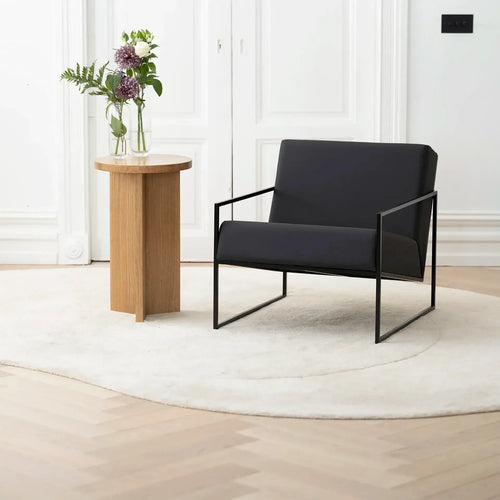
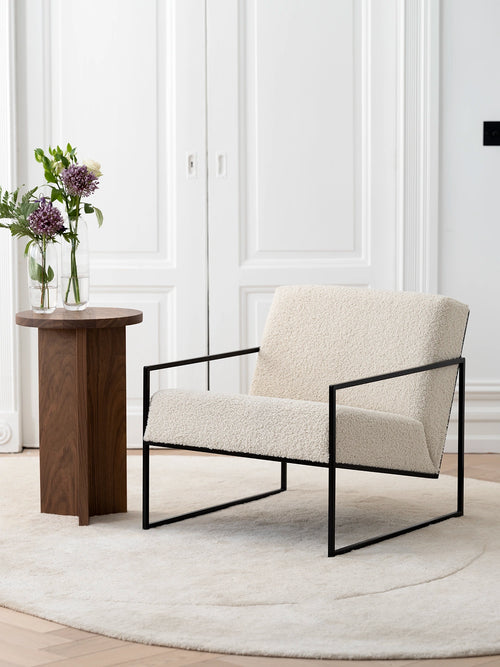
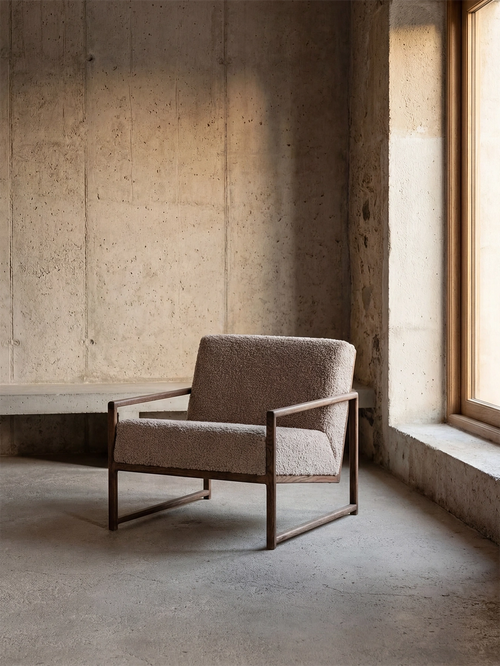
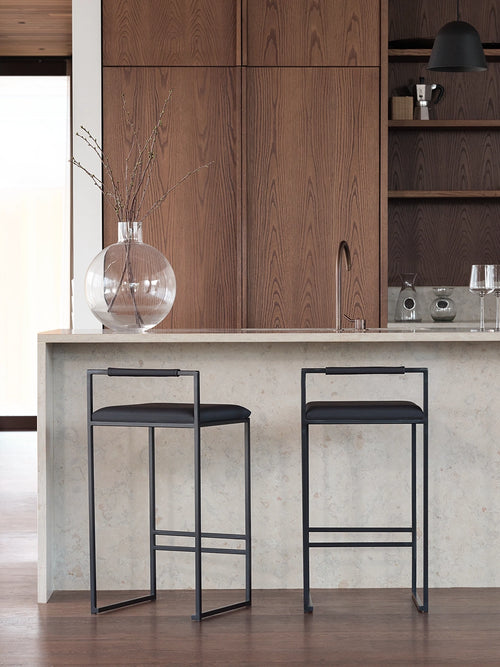
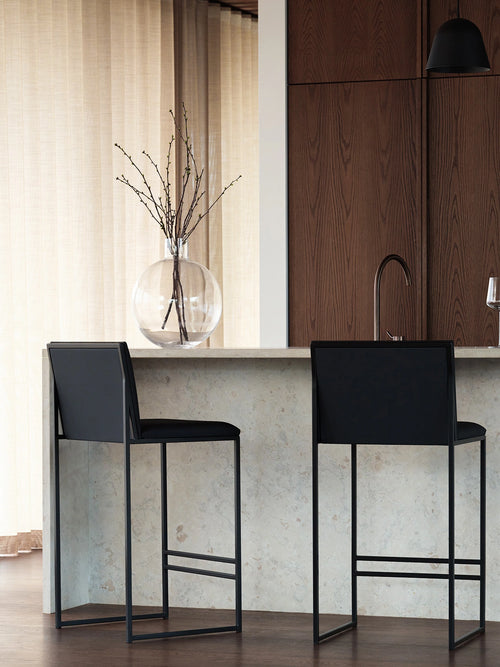
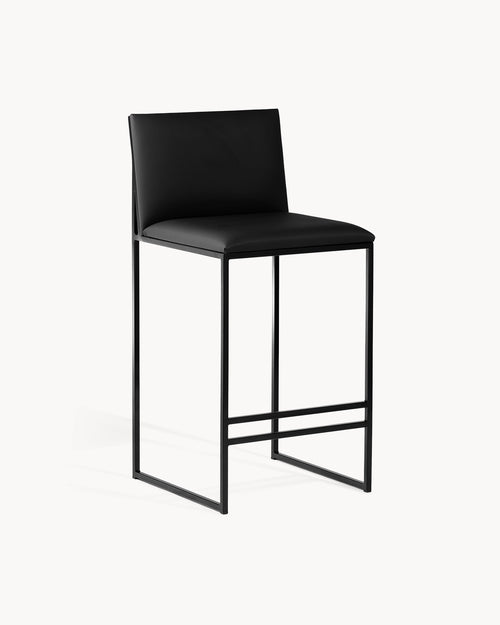
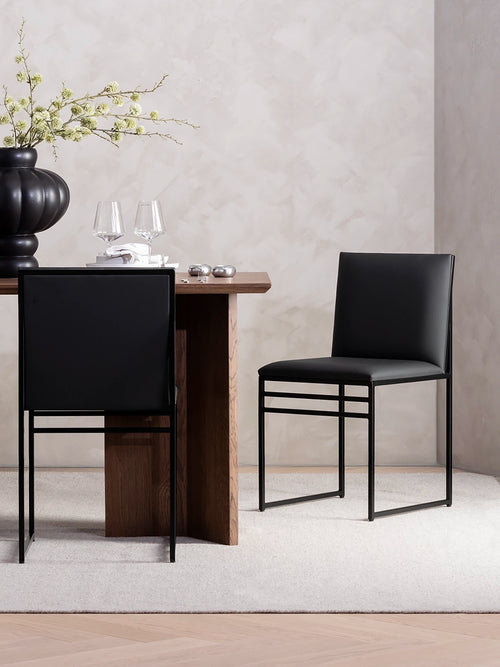
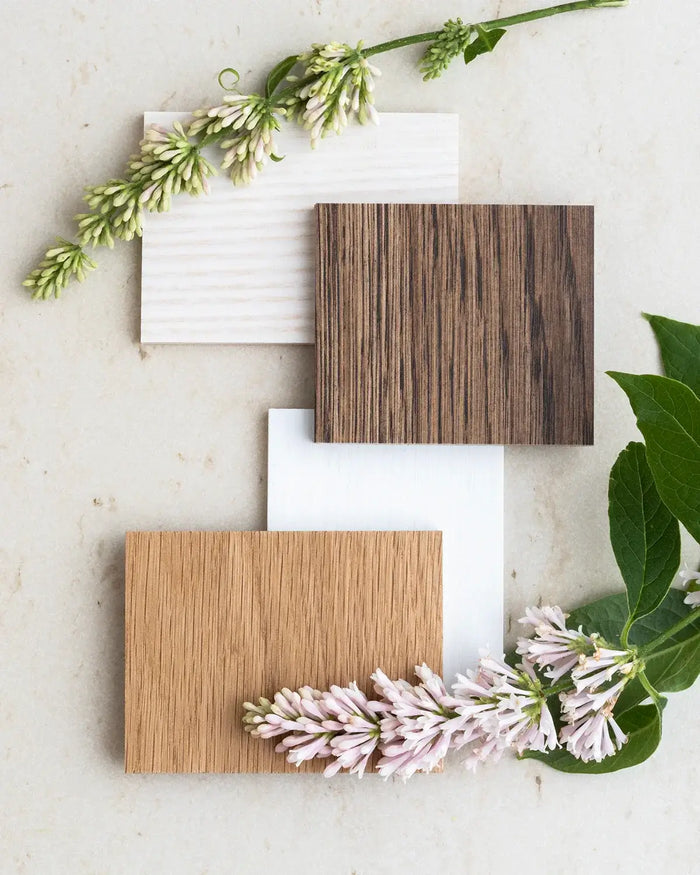
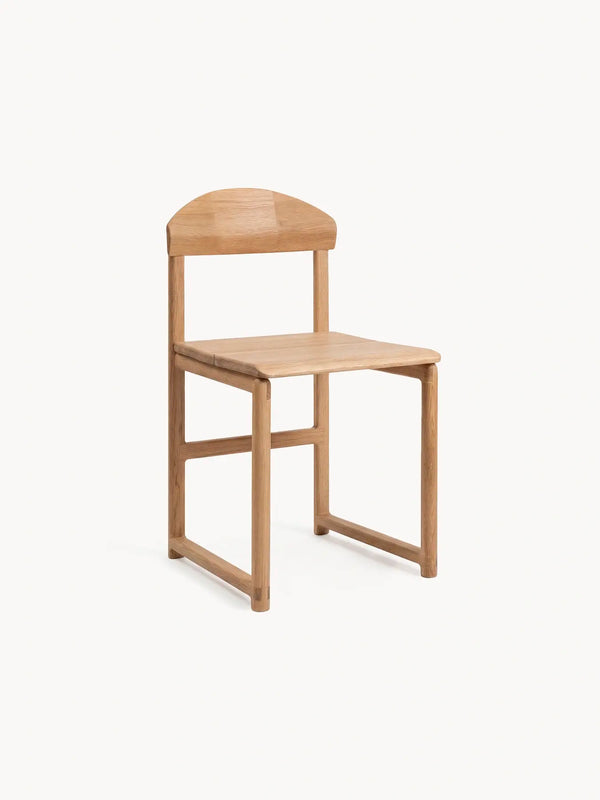
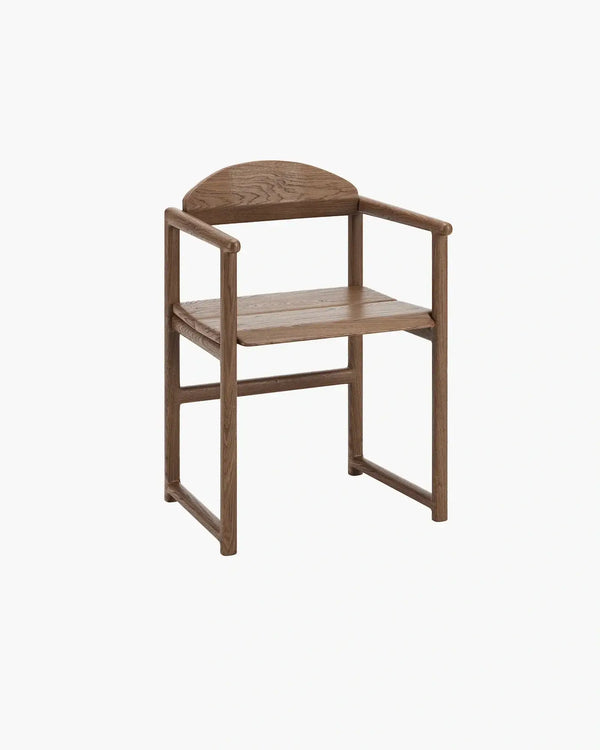
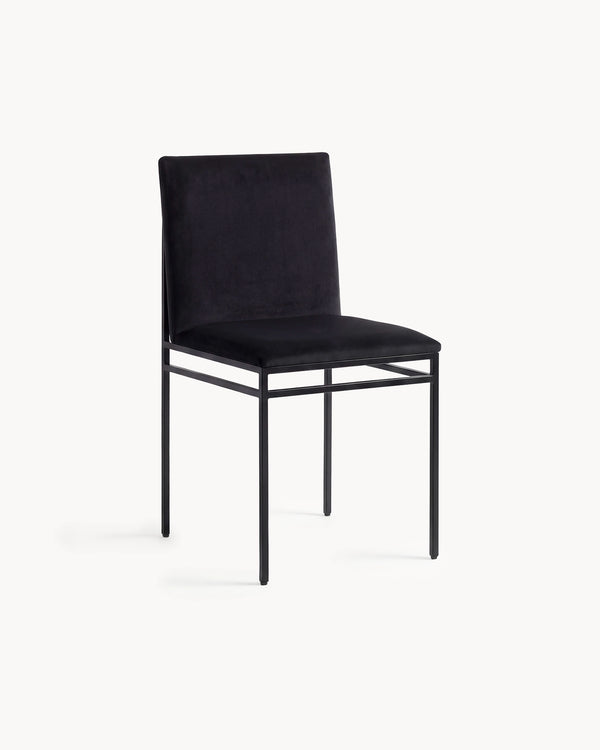
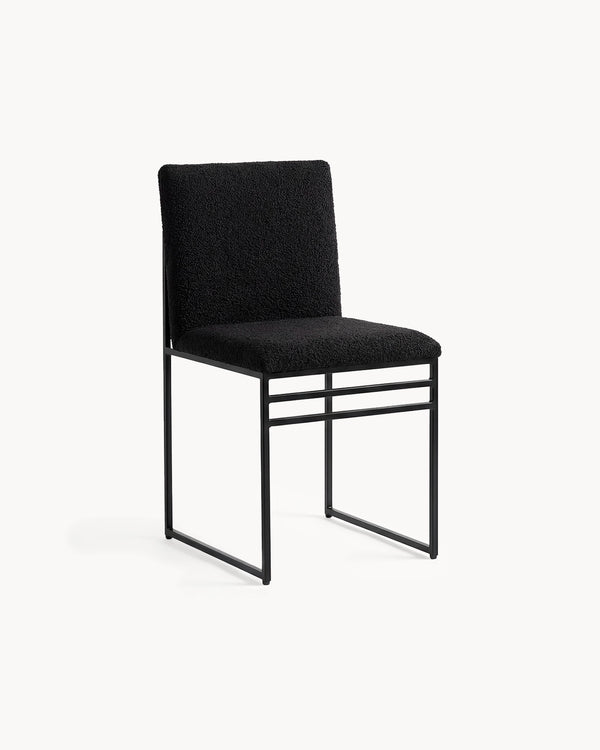
Our Karin and Erik are made from solid A-grade FSC-certified oak in Oak, Dark Oak and Black Oak, and our Bella, Isabell and Sella are made from welded Swedish steel, powder-coated black. Our seats come in bouclé, velvet and vegan leather.
Our oak in its three finishes: Oak, Dark Oak and Black Oak.
Which colours suit a Scandinavian dining room?
Natural wood, black and warm neutrals such as ivory, sand and greige; colour usually comes from textiles, art and plants rather than the furniture.
A calm base lets the room change with the seasons. Chairs in wood or black work with almost any tablecloth, rug or wall colour you choose later.
Keep the wood tones consistent, or contrast them clearly, and let one warm neutral run through the seats. Our guide to chairs for an oak table shows the combinations that work with each oak finish.
Are Scandinavian dining chairs comfortable?
Good ones are, because the comfort is in the shape: a sculpted seat, a back that meets the lower back, and a seat at the right height for the table.
A minimal chair can look hard. The test is to sit in it for an hour, not to look at it.
Karin and Erik have a seat sculpted from two pieces of oak, inclined gently towards the centre to follow how you sit, and a curved oak back. For those who want softness too, both come with a bouclé seat. Our guide to comfortable dining chairs explains what to look for.
What is the difference between Scandinavian and Japandi dining chairs?
Japandi is usually described as taking the Scandinavian focus on natural wood and function and adding the lower, darker and even more minimal palette of Japanese design; dark oak and black frames suit both.
Karin in dark oak with ivory bouclé: wood, black and a warm neutral.
A Scandinavian room tends to be lighter and softer, a Japandi room calmer and darker, with more contrast between wood and black.
Our chairs in Dark Oak and Black Oak, and our black steel frames with a black bouclé seat, sit comfortably in a Japandi room; the natural Oak finish and ivory bouclé lean Scandinavian. The same thinking applies to stools: see our guide to Scandinavian bar stools.
Where are by Crea's dining chairs designed and made?
In Sweden: designed by Alexandra Pettersson and made in our own factory in Malmö, where we weld the steel, cut and lacquer the oak, upholster the seats and assemble every chair.
We see making everything under one roof as part of the Scandinavian tradition: fewer hands, more care, and a maker who can repair what it builds.
Every chair is inspected by hand before it ships, delivered fully assembled and covered by a 10-year warranty. Our guide to how our bar stools are made shows the process, and our dining chairs collection has the full range.
Scandinavian chairs in three points
Honest
materials: solid oak or welded steel.
3
colours to build on: wood, black and warm neutrals.
1 hour
in the chair tells you more than a minute.
Choose honest materials, solid oak or slim steel, with simple lines and comfort built into the shape. Keep the palette to wood, black and warm neutrals, and let textiles bring the colour. Test the chair for an hour, not a minute. Every by Crea dining chair is designed in Sweden, made in our own factory in Malmö, delivered fully assembled and covered by a 10-year warranty.
Frequently asked questions
What is a Scandinavian dining chair?
A chair in natural materials, usually solid oak or slim steel, with simple lines, no decoration and comfort built into its shape.
What wood is used for Scandinavian chairs?
Mostly oak and ash. Our Karin and Erik are made from solid A-grade FSC-certified oak in Oak, Dark Oak and Black Oak.
Are Scandinavian dining chairs comfortable?
Good ones are, because the comfort is in the shape: a sculpted seat, a back that meets the lower back and the right seat height.
What colours are Scandinavian dining chairs?
Natural wood, black and warm neutrals such as ivory, sand and greige, so the colour in the room can come from textiles and plants.
Do black chairs suit a Scandinavian dining room?
Yes. A slim black steel frame is part of modern Nordic design and gives light oak and pale walls a clear outline.
Where are by Crea's chairs made?
In our own factory in Malmö, Sweden, where we weld, cut, lacquer, upholster and assemble every chair and inspect each one by hand.