
Tabourets de bar en bois
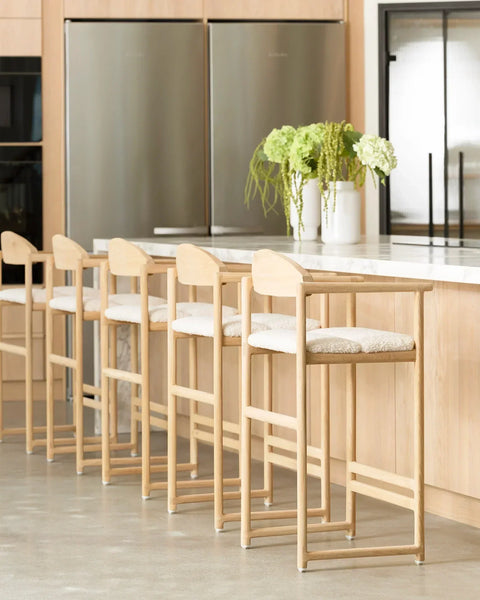
Eva, Ebba, Ted et Carl, en chêne massif de notre atelier en Suède.

- Assise hauteur comptoir
- 66 cm
- Assise hauteur bar
- 76 cm
- Charge
- 200 kg
- Garantie
- 10 ans

Fabriqués dans notre propre atelier en Suède.
Chaque tabouret est fabriqué dans notre propre atelier en Suède : les structures en acier sont soudées et thermolaquées, les structures en chêne usinées et assemblées, et les assises garnies à la main. Seules les matières premières viennent de fournisseurs.
- Acier
- Découpé, cintré et soudé
- Chêne
- Usiné et assemblé
- Assises
- Garnies à la main

Garantis 10 ans.
Chaque tabouret est couvert par notre garantie de 10 ans contre les défauts de fabrication touchant les matériaux et la main-d’œuvre, dans le cadre d’un usage domestique normal.
Couvert
- Structure et ossature
- Soudures, assemblages et montage
- Peinture et finition, contre les défauts d’application
- Matériaux, contre les défauts de fabrication
Non couvert
- Usure normale, patine et variations naturelles du bois
- Mauvaise utilisation, surcharge ou accidents
- Soleil, chaleur, humidité ou nettoyage inadapté
- Modifications
En cas de problème
Écrivez à info@by-crea.com avec votre numéro de commande et quelques photos, et nous examinerons la situation avec vous. Des pièces détachées sont disponibles, et les coussins vissés de Freja et Svea peuvent être remplacés.

Ni outils, ni kit à monter.
Votre tabouret arrive entièrement monté. Sortez-le du carton et installez-le devant le plan.
-
Fabriqué en Suède
Les configurations en stock partent dans le délai d’expédition indiqué sur la fiche produit ; les autres sont d’abord fabriquées à la commande.
-
Suivi dès l’expédition
Vous recevez un lien de suivi par e-mail dès que votre commande part.
-
À votre porte
Partout en Europe, UPS livre normalement 3 à 5 jours ouvrés après l’expédition.
Livraison vers Autriche
Calculée selon le poids, comme au paiement.

Commandez-en un avant d’en commander six.
Achetez un tabouret et essayez-le au quotidien devant votre îlot. S’il ne vous convient pas, nous le reprenons. Valable sur les huit modèles.
-
Commander des échantillons
Comparez le tissu, le bois et la structure dans votre cuisine.
Commander des échantillons -
Trouver votre hauteur d’assise
Quatre questions pour trouver la bonne hauteur et le bon modèle.
Trouver votre tabouret -
Commander un tabouret
Gardez-le et commandez les autres, ou écrivez à info@by-crea.com et nous le reprenons.
Ce que couvre le retour
Le confort et la qualité de fabrication. Pas une erreur de hauteur d’assise ni un changement de couleur : les échantillons et le questionnaire sont là pour cela.
Noté 4,9 sur 5 par plus de 900 clients
Des avis indépendants de clients qui ont acheté chez nous, recueillis et vérifiés par Trustpilot.
Nos tabourets de bar
4 tabourets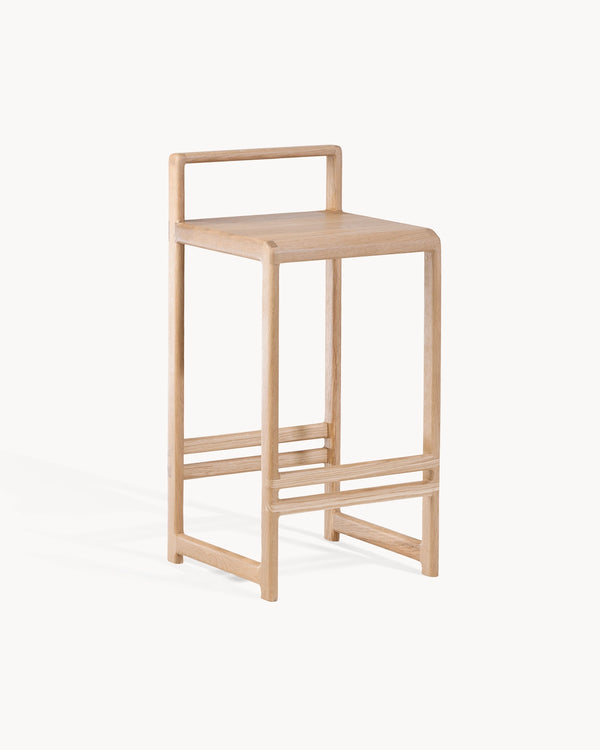 Tabouret de bar Ebba
dès €429Dossier bas ·38 cm de large · chêne
66 cm, 76 cm
Tabouret de bar Ebba
dès €429Dossier bas ·38 cm de large · chêne
66 cm, 76 cm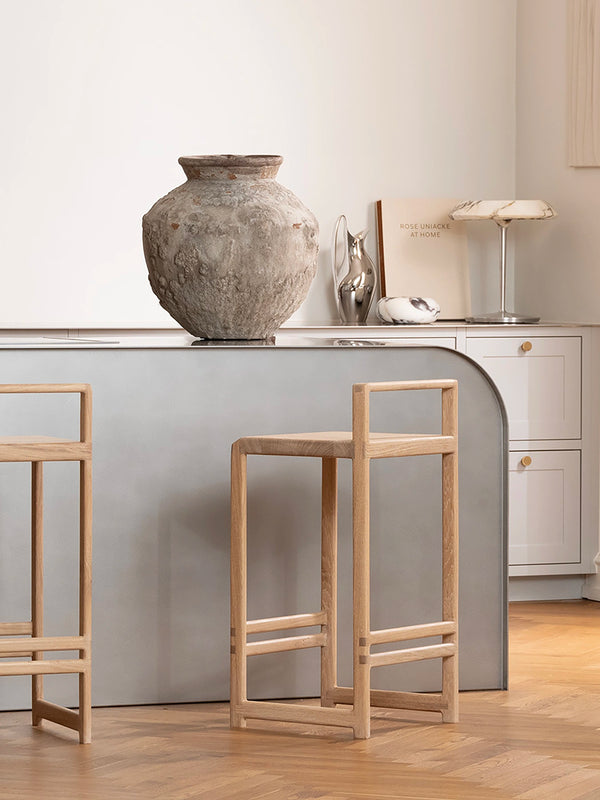


 Tabouret de bar Eva
dès €429Sans dossier ·38 cm de large · chêne
66 cm, 76 cm
Tabouret de bar Eva
dès €429Sans dossier ·38 cm de large · chêne
66 cm, 76 cm
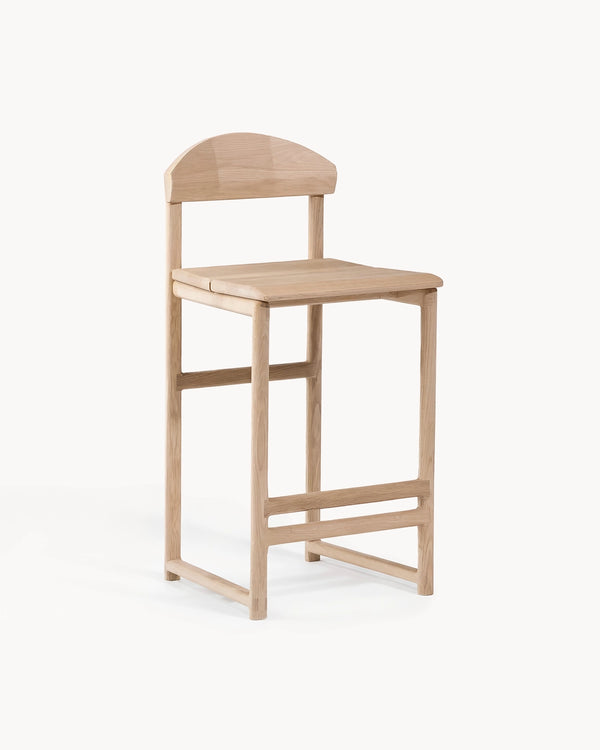 Tabouret de bar Ted
dès €499Dossier haut ·45 cm de large · chêne
66 cm, 76 cm
Tabouret de bar Ted
dès €499Dossier haut ·45 cm de large · chêne
66 cm, 76 cm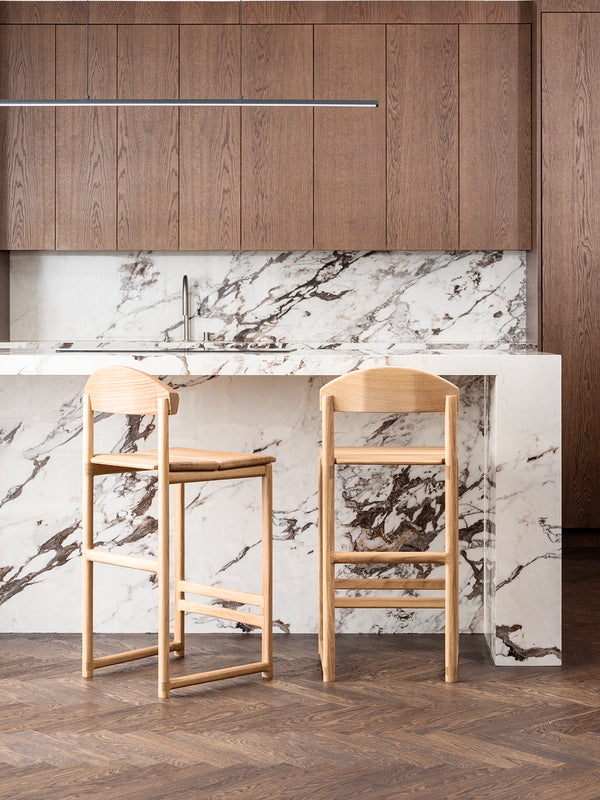


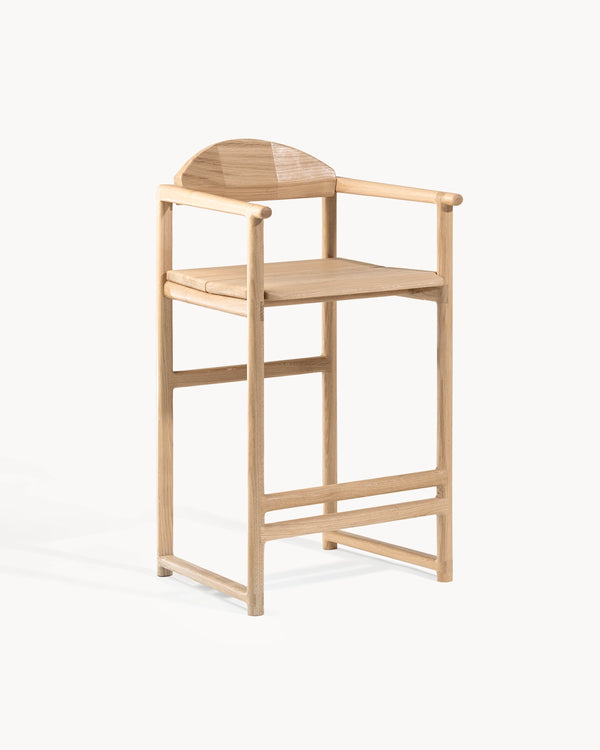 Tabouret de bar Carl
dès €579Accoudoirs ·54 cm de large · chêne
66 cm, 76 cm
Tabouret de bar Carl
dès €579Accoudoirs ·54 cm de large · chêne
66 cm, 76 cm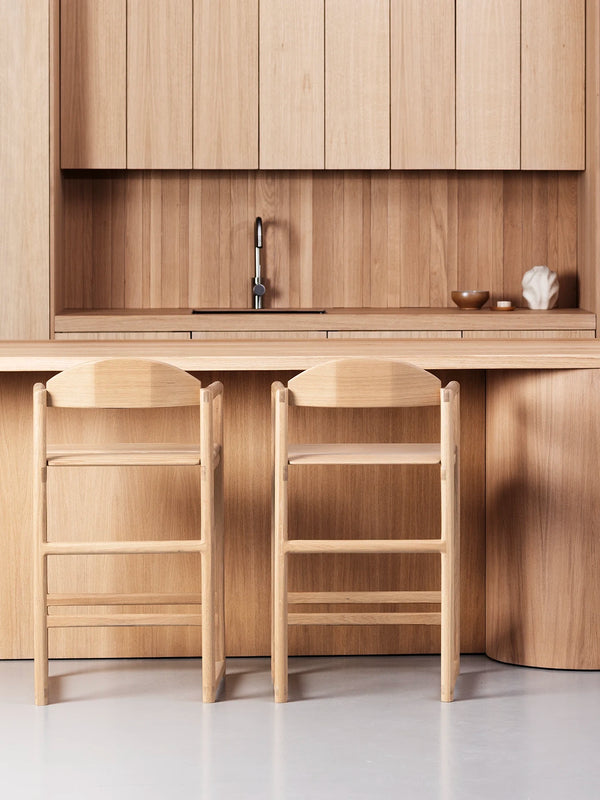

Comparer les modèles
| Modèle | Matériau | Dossier | Largeur totale | Place par tabouret | Hauteur totale | Hauteurs d’assise | Testé selon |
|---|---|---|---|---|---|---|---|
| Ebba | Chêne massif | Arceau bas | 38 cm | 50 cm | 79 cm | 66 et 76 cm | Non testé |
| Eva | Chêne massif | Aucun | 38 cm | 50 cm | 66 cm | 66 et 76 cm | Non testé |
| Ted | Chêne massif | Haut | 45 cm | 55 cm | 93 cm | 66 et 76 cm | Non testé |
| Carl | Chêne massif | Haut, accoudoirs | 54 cm | 60 cm | 93 cm | 66 et 76 cm | Non testé |
Hauteur totale donnée pour une assise de 66 cm ; ajoutez 10 cm pour une assise de 76 cm. Chaque modèle est conçu pour 200 kg, livré entièrement monté et garanti 10 ans.
Quelle hauteur d’assise pour votre plan ?
66 cm pour la plupart des îlots.
La plupart des îlots centraux demandent une assise de 66 cm, la plupart des comptoirs de bar une assise de 76 cm. Si votre plan sort de ces deux plages, nos tabourets en acier sont fabriqués à la hauteur d’assise de votre choix, de 46 à 90 cm.
| Hauteur du plan | Plan courant | Hauteur d’assise | Espace pour les jambes |
|---|---|---|---|
| 89 à 92 cm | Îlot central, plan de travail standard | 66 cm | 23 à 26 cm |
| 93 à 98 cm | Plateau en pierre épais, socle surélevé | Spéciale, 68 à 74 cm | 23 à 26 cm |
| 99 à 102 cm | Comptoir de bar, bar de cuisine surélevé | 76 cm | 23 à 26 cm |
| 103 à 106 cm | Bar haut ou bar de cuisine | Spéciale, 78 à 82 cm | 23 à 26 cm |
Guides
- Tabouret de bar en bois de chêneChêne massif certifié FSC : dur, stable, chaleureux et réparable. Quatre modèles.
- Tabouret de bar en bois ou en métalL’acier pour la finesse et les hauteurs spéciales ; le chêne pour la chaleur et une structure rénovable.
- Nettoyer un tabouret de barUn chiffon humide pour la structure, un savon doux pour le cuir végan, tamponner le tissu, des patins sous les pieds.
- La fabrication de nos tabourets de barFabriqué de bout en bout dans notre propre atelier en Suède.
Questions fréquentes
Le chêne est-il un bon bois pour un tabouret de bar ?
Oui. Le chêne est un feuillu dense qui résiste aux marques, garde des assemblages serrés et se ponce pour être refait. Verni, il s’essuie facilement après une tache, ce qui convient à la cuisine.
Vos tabourets en chêne sont-ils en bois massif ?
Oui. Eva, Ebba, Ted et Carl sont en chêne européen massif certifié FSC, verni mat dans notre propre atelier en Suède.
En quelles hauteurs existent vos tabourets de bar en chêne ?
66 cm pour un plan de cuisine standard de 89 à 92 cm, et 76 cm pour un comptoir de bar courant de 99 à 102 cm. Les hauteurs spéciales sont réservées à nos modèles en acier.
Quelle différence entre chêne naturel et chêne foncé ?
C’est le même chêne massif. Le chêne foncé est teinté avant le vernis, le veinage reste visible ; il contraste avec des façades claires et masque bien les marques du quotidien.
Un tabouret de bar en bois raye-t-il le sol ?
Tout tabouret peut rayer le sol si ses pieds sont nus. Posez des patins en feutre sous les pieds en bois ou en métal et remplacez-les quand ils sont usés.


Journal
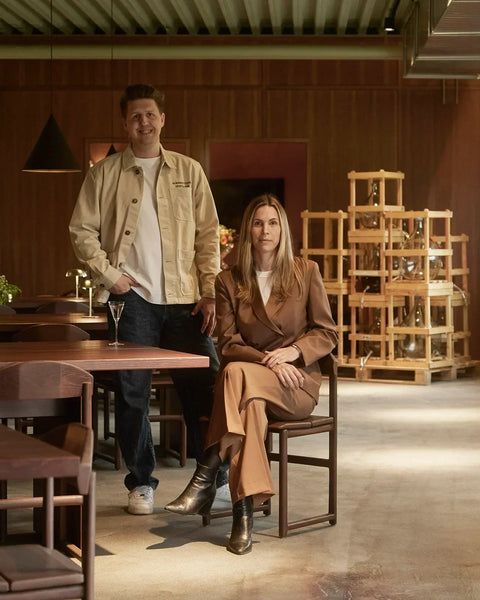
Norrbottens Destilleri
Loin au nord de la Suède, là où la lumière s’étire longuement sur les étés et où les hivers deviennent silencieux et sombres, Dennis Bejedal a donné forme à une idée qu’il porta...
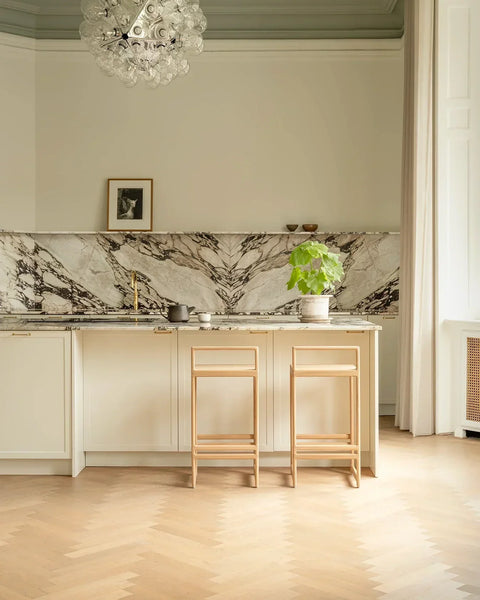
Dans un appartement copenhagois de 1907
Au cœur de Frederiksstaden, l’un des quartiers les plus historiques de Copenhague, l’appartement de 358m² de Ditte et Rune, construit en 1907, marie l’élégance de son architectu...
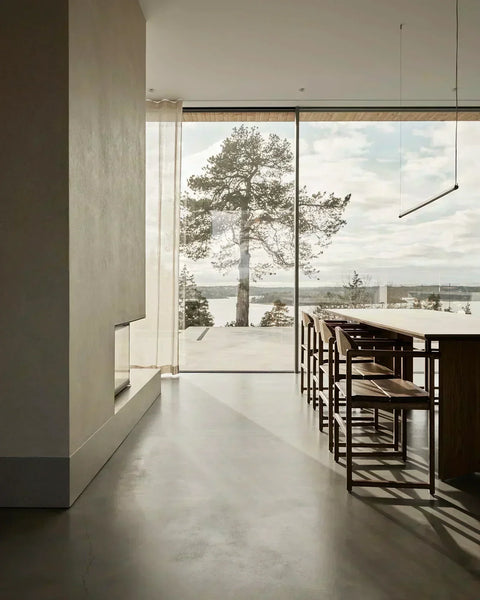
Pine Edge Villa
À l’extrémité de l’archipel de Stockholm, là où les pins rencontrent le granit et où la mer Baltique s’ouvre en strates de bleu, de gris et de brume, se trouve la Pine Edge Villa.
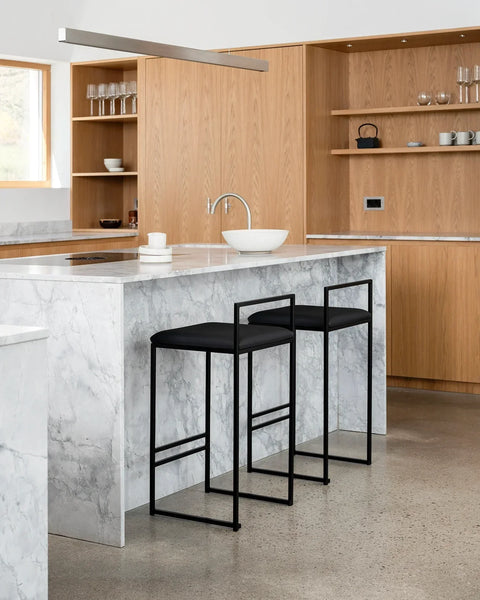
Cuisine minimaliste: 5 idées de style avec des meubles design scandinaves
Découvrez cinq façons raffinées de styliser une cuisine minimaliste avec des meubles faits main signés by Crea®. Des contrastes noirs audacieux aux tons chaleureux du desig...
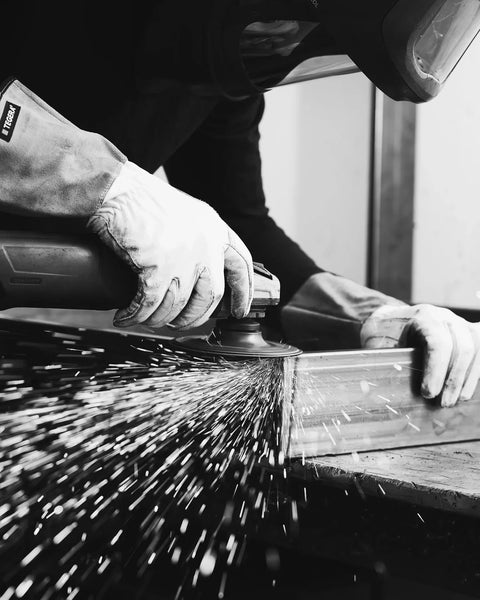
Visite de l’atelier By Crea : la fabrication artisanale des meubles scandinaves en Suède
À une époque dominée par la production de masse, les meubles faits main venus de Suède représentent une forme de rébellion discrète. Chez by Crea, chaque tabouret de bar, table...
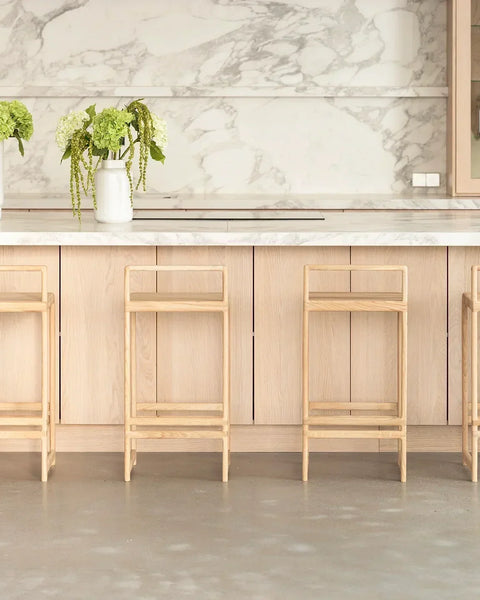
Mobilier de cuisine : allier style et fonctionnalité
Transformez votre cuisine en un espace de vie élégant et fonctionnel grâce à la collection de meubles faits main de by Crea. Des tables à manger et chaises aux tabourets de bar...
Meubles de cuisine en bois : Le guide complet pour choisir les pièces parfaites pour votre cuisine
Lorsqu’ils sont choisis avec soin et bien entretenus, les meubles de cuisine en bois ne sont pas simplement un achat, ce sont un véritable investissement dans la vie et l’âme d...
Pourquoi l'îlot central séduit tant dans les espaces ouverts
In recent years, the kitchen island has moved from being an aspirational design feature to becoming a must-have element in open-plan living. More than just a work surface, kitch...