Your cart is empty
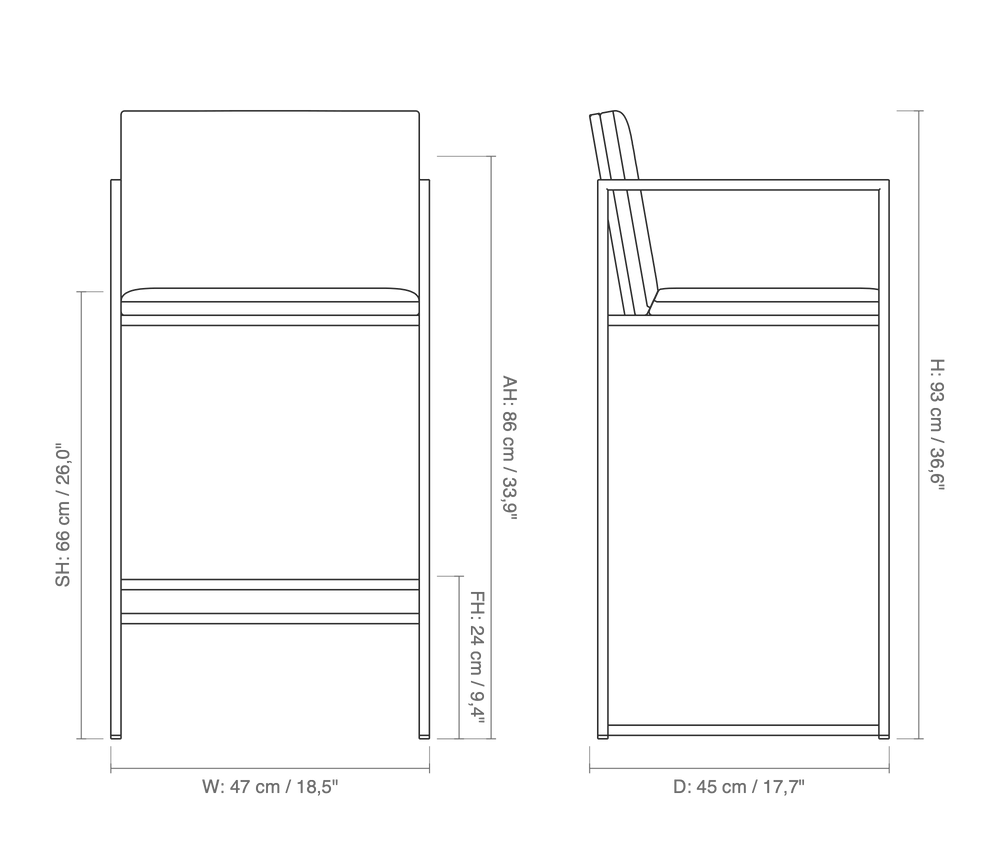
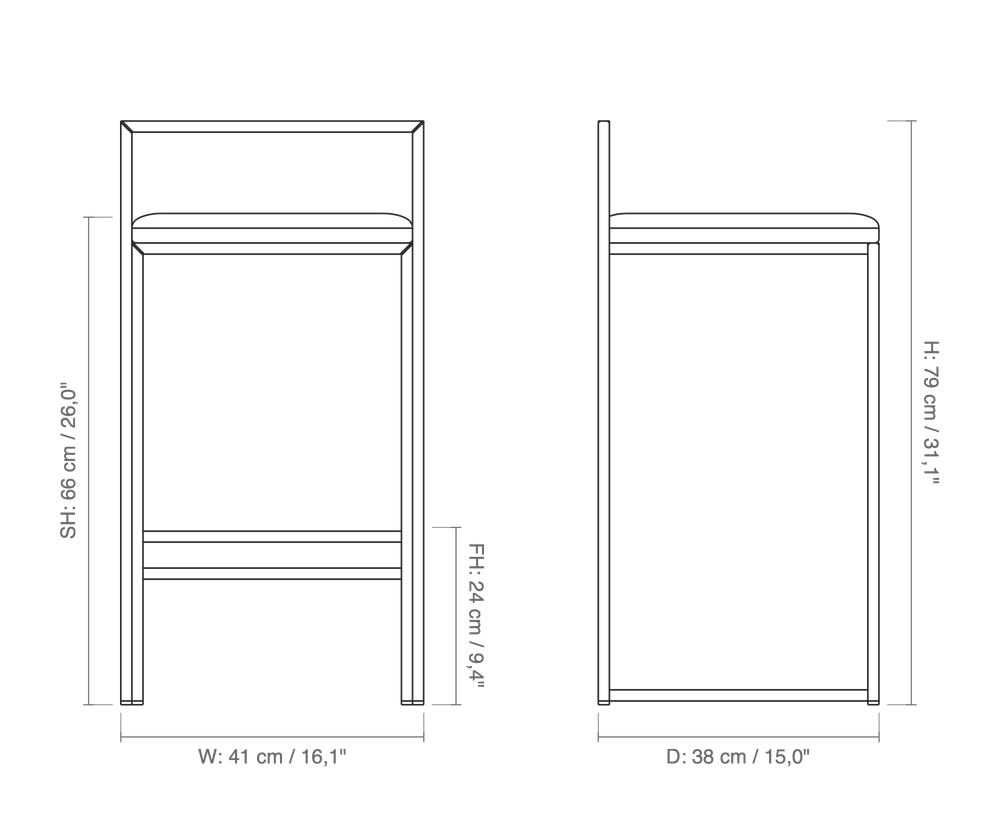
Choose your bar stool height based on the distance from the floor to the underside of the counter, not the top. In most cases, a 66 cm stool suits standard kitchen counters and islands around 89–95 cm, while a 76 cm stool fits taller bar-height surfaces around 99–110 cm. Aim to leave about 23–30 cm of legroom between the seat and the underside of the counter for comfortable seating.
Go custom height when your space falls between standard measurements, has a thick worktop, or includes design features like an apron or support beam that reduce legroom. The page should combine clear measurement rules, simple visual examples, and strong internal links to relevant stool collections, custom stool options, and product pages so it works as both a helpful guide and a conversion-driving hub.
Choose your bar stool height based on the distance from the floor to the underside of the counter, not the top. In most cases, a 66 cm stool suits standard kitchen counters and islands around 89–95 cm, while a 76 cm stool fits taller bar-height surfaces around 99–110 cm. Aim to leave about 23–30 cm of legroom between the seat and the underside of the counter for comfortable seating.
Go custom height when your space falls between standard measurements, has a thick worktop, or includes design features like an apron or support beam that reduce legroom. The page should combine clear measurement rules, simple visual examples, and strong internal links to relevant stool collections, custom stool options, and product pages so it works as both a helpful guide and a conversion-driving hub.
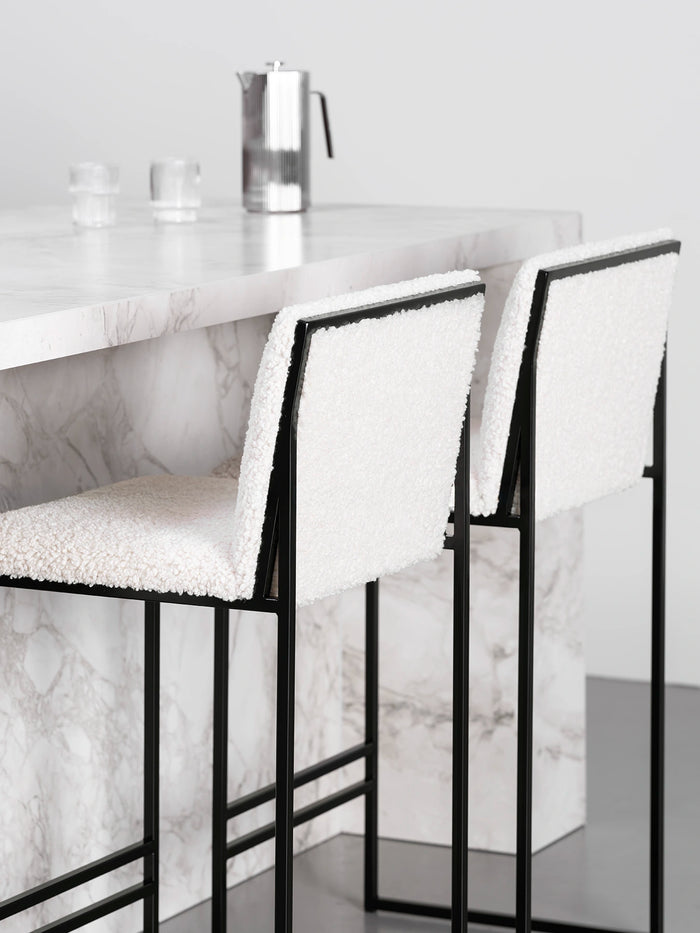
A well-proportioned kitchen island usually pairs best with a Bar stools Collection that offers the right seat height for everyday comfort.
Bar stool height is the detail that decides whether a space feels comfortable or awkward. A stool can look beautiful and still feel wrong if it sits too high, too low, or too far from the worktop. In kitchens, islands, and breakfast bars, comfort comes from proportion. That is why choosing from the right bar stools collection matters just as much as choosing the right material, shape, or finish.
Most homes fall into one of two categories. Standard kitchen counters and islands usually suit a 66 cm stool, while taller bar-height counters usually suit a 76 cm stool. The confusion comes from the fact that many people use the term “bar stool” for both. In practice, the right fit depends on the actual height of the surface, not the label. If you are comparing options, start with the full bar stools collection and then narrow your choice by measurement.
Raised breakfast bars and taller surfaces usually need a 76 cm stool to keep the seating position comfortable and visually balanced.
The most important rule is to measure from the floor to the underside of the countertop, not the top. This is the true usable space for your knees and legs. A thick stone top, apron, frame, or support beam can reduce the sitting space more than expected, which is why so many shoppers choose the wrong height the first time. For more detail on fit and spacing, see How much legroom do bar stools need?
For most people, the sweet spot is around 23–30 cm between the seat and the underside of the counter. That amount of clearance gives enough room to sit comfortably while still feeling properly positioned for dining, working, or socialising. Too little space feels cramped, while too much can make the stool feel disconnected from the surface. If you are planning a full island setup, it also helps to read How many bar stools do I need for my kitchen island? alongside your height calculations.
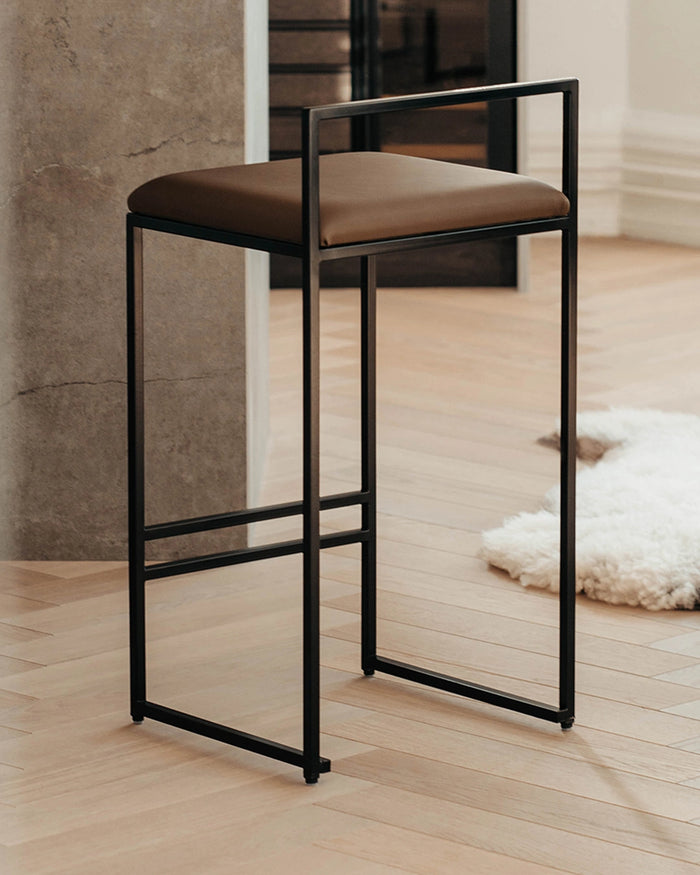
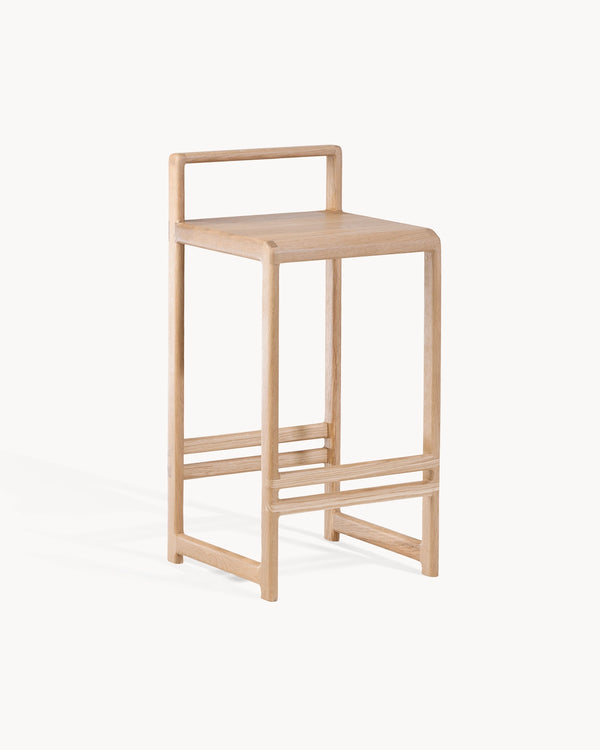
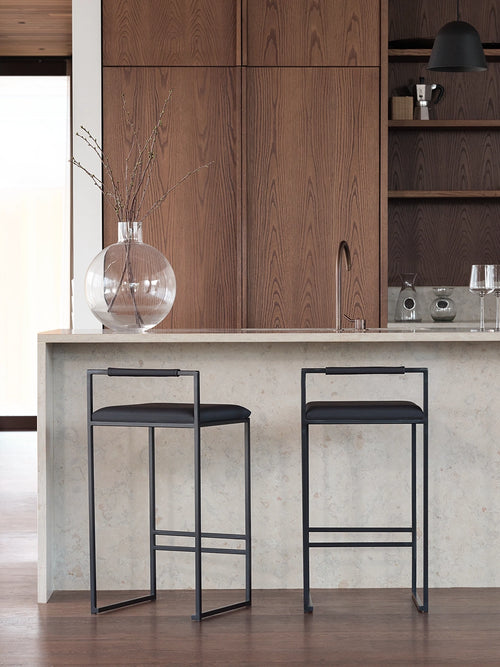
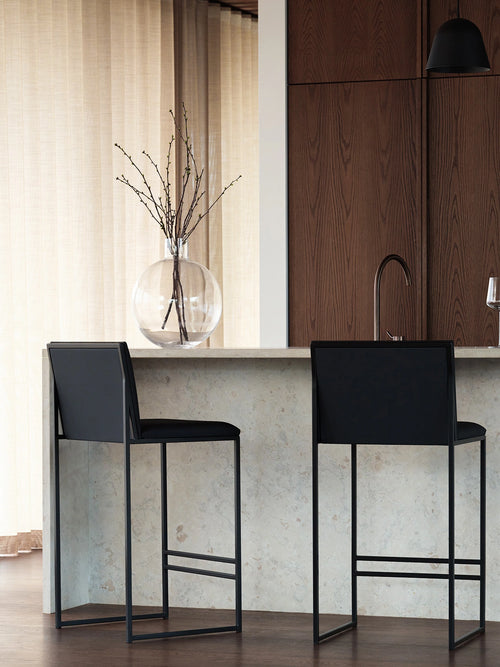
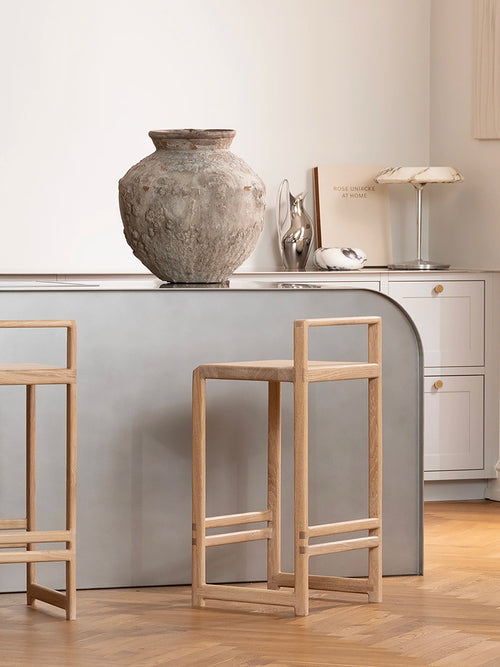
A 66 cm bar stool is usually the best choice for standard kitchen counters and kitchen islands. It works especially well in spaces used for breakfast, coffee, casual meals, and everyday family seating. If your counter falls within the standard kitchen range, this is the height most likely to feel natural over time. If you want a warm, timeless option for this setup, a design such as the Ebba bar stool in Oak fits naturally into that use case.
A kitchen island and a raised breakfast bar may look similar, but they often require different stool heights.
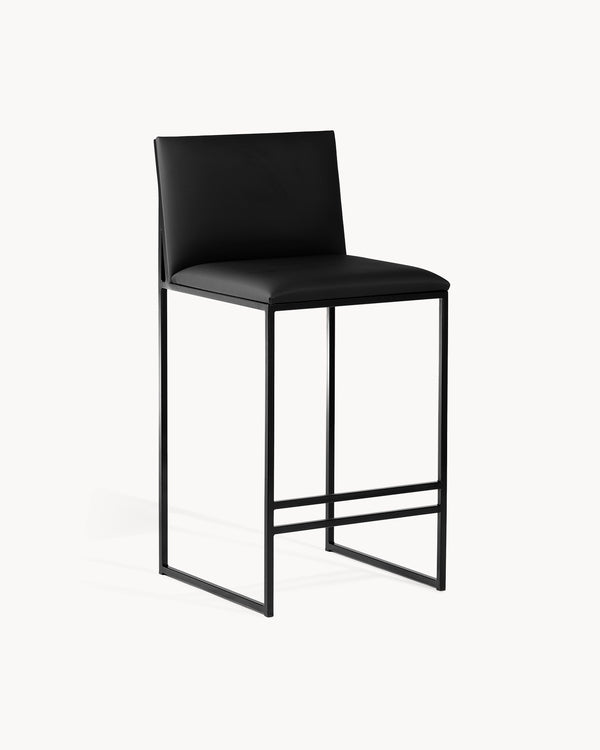
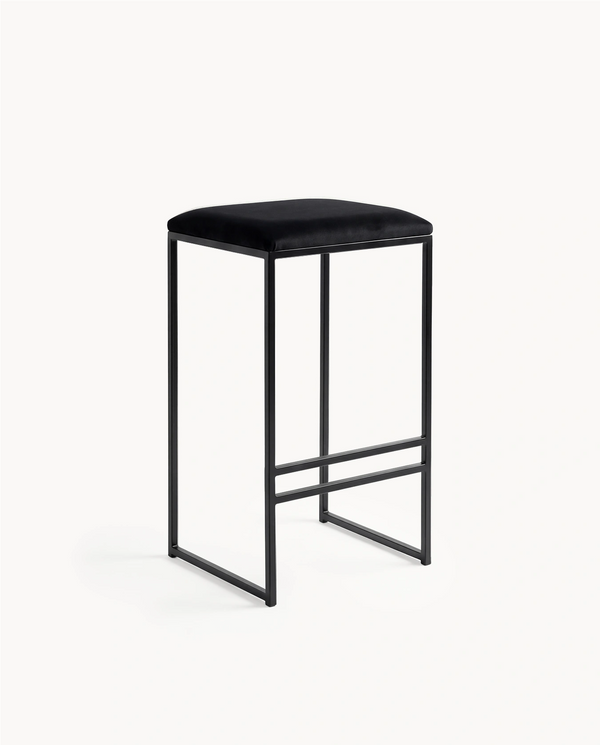
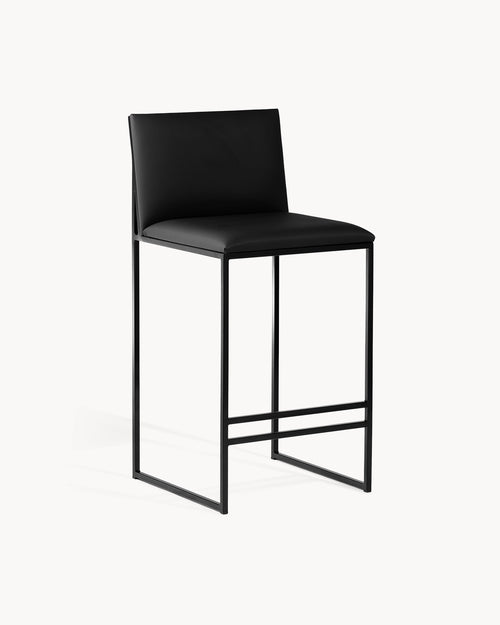
When standard stool heights do not leave the right amount of space, custom sizing creates a more precise and architectural fit. Discover the Philip Bar stool
Bespoke kitchens, thick worktops, and non-standard counters often benefit from made-to-measure seating. Explore tailored options with the Freja Bar stool
A 76 cm stool is designed for taller surfaces such as raised breakfast bars, home bars, and bar-height counters. It creates a better sitting position when the surface sits noticeably higher than the main kitchen worktop. This height is often the right choice in split-level islands or more hospitality-inspired interiors where the seating zone is intentionally elevated. For a sculptural wood option in this category, explore the Ted wooden Bar stool.
Custom sizing makes sense when standard measurements do not give you the right clearance. This often happens in bespoke kitchens, homes with thicker-than-average worktops, or counters with design features that reduce usable legroom underneath. A custom-height stool can make the entire space feel more resolved, especially when the seating is permanent and used daily. If your measurements sit between standard sizes.
The most common mistake is measuring to the top of the counter instead of the underside. Another is assuming every kitchen island is standard height. Many are not. Countertop thickness, support rails, and bespoke joinery all affect the final fit. Shoppers also tend to choose a stool by name rather than by measurement, even though “counter stool” and “bar stool” are often used loosely online. Before buying, it is worth reviewing 5 things to consider before buying a Bar Stool and are Bar stools comfortable for long sitting?
The best bar stool height is the one that fits your space properly. In most homes, that means 66 cm for standard kitchen counters and islands, 76 cm for taller bar-height surfaces, and custom height for anything outside those norms. The right approach is simple: measure carefully, use the underside of the counter as your reference point, and leave enough space for comfortable legroom. Once you know your fit, you can confidently shop the bar stools collection or move straight into custom bar stool designs if your space calls for a more exact solution.
For a standard kitchen counter or island, a 66 cm bar stool is usually the right fit. The key is to leave around 23–30 cm between the seat and the underside of the counter.
Counter height stools are designed for standard kitchen counters and islands, while bar height stools are designed for taller surfaces such as raised breakfast bars or home bars. In most cases, 66 cm suits counter height and 76 cm suits bar height.
A comfortable rule is to leave 23–30 cm of clearance between the seat and the underside of the countertop. This gives enough room to sit comfortably without making the stool feel too low.
Always measure to the underside of the countertop. That is the measurement that determines how much usable sitting space you actually have.
Choose a custom-height stool when your counter is not standard, when the worktop is unusually thick, or when details such as aprons or support beams reduce legroom. Custom sizing is also best when standard heights leave too much or too little clearance.
Measure from the floor to the underside of the counter, then subtract 23–30 cm for comfortable clearance. If the result is close to 66 cm, choose counter height. If it is close to 76 cm, choose bar height. If it falls between them, choose custom height.