Buying guide

Are Expensive Bar Stools Worth It? How to Judge Build Quality

By Alexandra PetterssonReviewed by Alexander TjernströmUpdated

A better bar stool is worth it if it is used every day: it stays tight instead of wobbling, its fabric outlasts years of meals, and it can be repaired rather than thrown away. Judge quality by construction (welded steel or glued solid wood), tested strength (a stated load rating and a recognised standard), rated fabrics (abrasion in Martindale rubs) and a warranty of several years, not by the price alone.

Part of the guide to Bar Stools
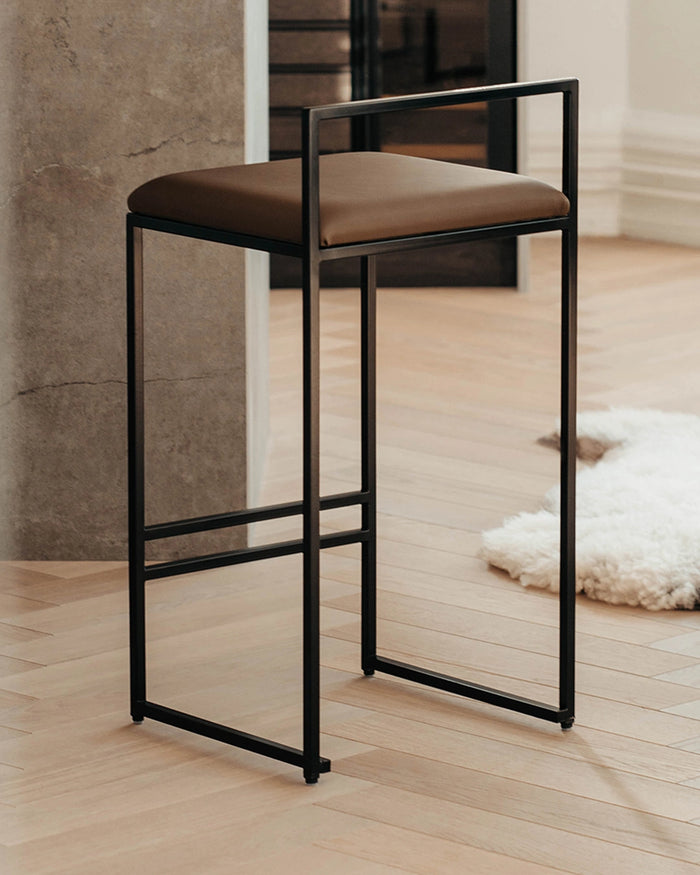
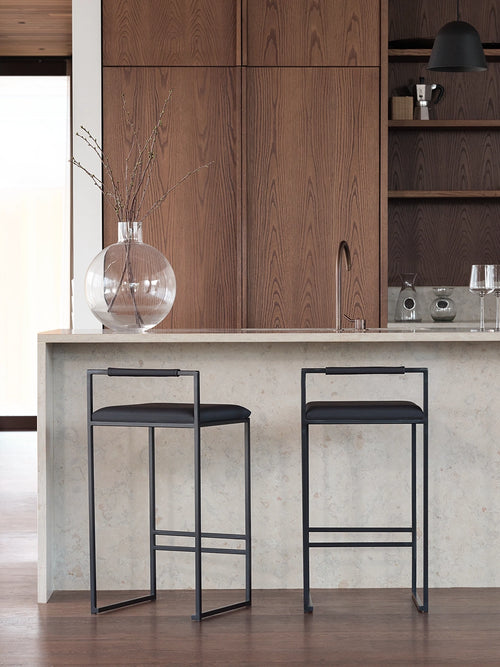
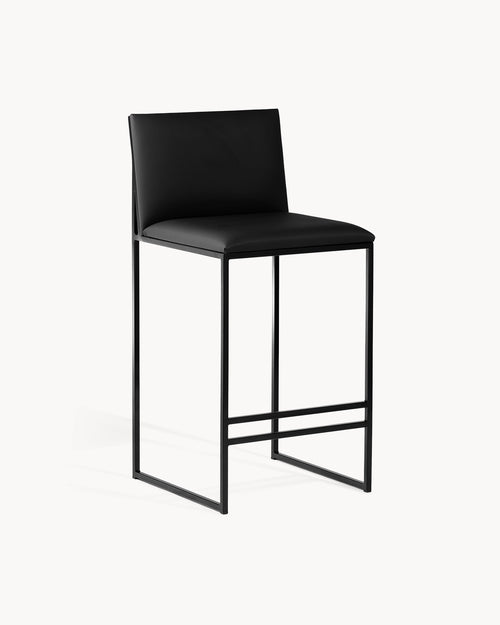
Bar Stool Philip with black frame and jade black leather cushion at a marble kitchen island.

Two bar stools can look almost identical in a photograph and be completely different objects in a kitchen. One stays solid for fifteen years; the other starts to rock after a few months, its seat flattens and its finish chips at the footrest. The difference is in things photos do not show: how the joints are made, how thick the steel is, what the foam and fabric are rated for, and whether anyone has tested the stool at all. This guide explains what a higher price should buy, how to compare stools on build quality when you cannot see them in person, and when a cheaper stool is perfectly fine. It draws on how we make our own stools in our factory in Malmö, Sweden.

Are expensive bar stools worth the money?

Yes, when they are used daily and the price buys real construction rather than a name. A kitchen bar stool is climbed on, dragged, rocked back on and kicked several times a day, which is harder use than almost any other chair in the home. A well-built stool survives that for decades; a poorly built one usually fails within a few years, first by wobbling.

The fair comparison is cost per year of use, not the price on the day. A stool that lasts fifteen years with a replaceable cushion costs less per year than a cheap one replaced three times, and it does not end up as waste. Where a cheaper stool is the right choice, for example for occasional use, we say so below.

What does the price of a bar stool actually pay for?

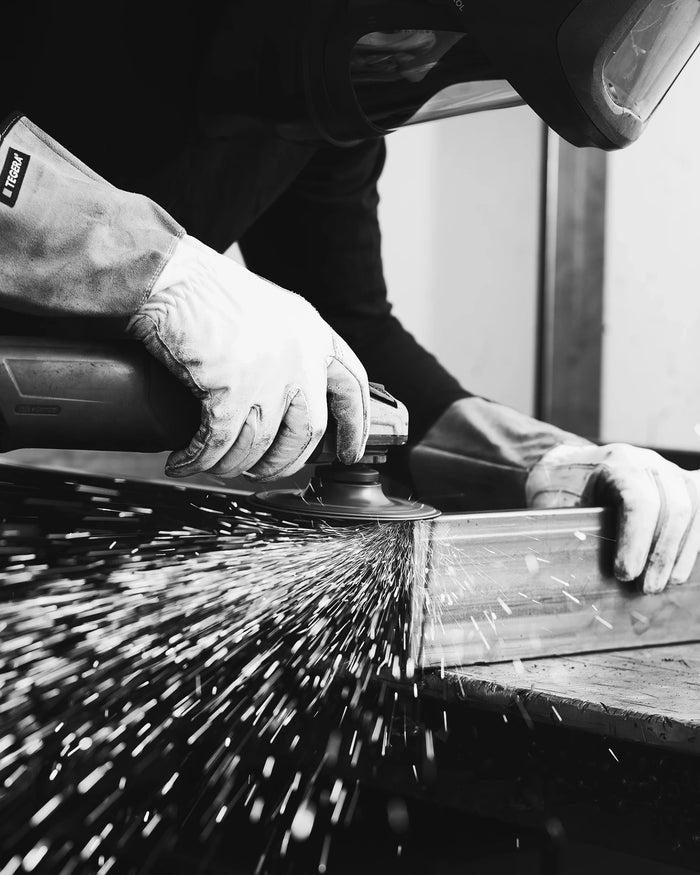
Person using a grinder with sparks flying, wearing protective gloves and a helmet.
Frames are cut, welded and ground by hand in our factory in Malmö.

Mostly for materials and labour you cannot see: solid wood or thick-walled precision steel instead of veneer and thin tube, welded or glued joints instead of bolts, a baked powder coat instead of paint, high-density foam and abrasion-rated fabric, strength testing, and a factory that assembles and checks every stool before it ships.

Where the stool is made also matters. Our stools are made from start to finish in our own factory in Malmö: frames are cut, welded and powder-coated, oak is joined and lacquered, seats are upholstered and every stool is checked and delivered fully assembled. The table shows what to look for at each point.

How do I compare bar stools by build quality?

Compare eight things: the frame material, the joints, the finish, the seat foam, the fabric rating, the load rating and test standard, the warranty, and whether spare parts exist. A stool that states all eight clearly usually has nothing to hide; one that states none is asking you to judge it by a photo.

Use the table as a checklist when comparing product pages. Where a seller does not state a figure, ask for it; a manufacturer that tests its stools will have the numbers.

Build quality checklist, with what by Crea uses
What to checkGood signby Crea
Frame materialSolid hardwood or precision steel tubeFSC-certified European oak; Swedish precision steel EN 10305-5
JointsWelded steel, glued woodWelded or glued, delivered assembled
FinishPowder coating or lacquerPowder-coated steel, matt-lacquered oak
Seat foamStated density, cold-cut foamCold-cut foam, 55 kg/m³, on a beech plywood core
FabricAbrasion rating in Martindale rubsVegan leather 300,000; velvet 130,000; bouclé 50,000
StrengthStated load and a recognised test200 kg (440 lbs); steel models tested by RISE to EN 16139
WarrantySeveral years, in writing10 years
Spare partsReplaceable cushions and feetReplaceable cushion on Freja and Svea; feet and pads

Why do cheap bar stools start to wobble?

Powder coating is baked onto the steel, which makes a harder finish than paint.

Because their joints are bolted, and bolts loosen. Every time someone climbs on, leans back or pushes off the footrest, a bolted joint moves a fraction of a millimetre; after months of that the bolt works loose and the stool rocks. Tightening helps for a while, but the holes wear oval and the wobble returns.

Welded steel joints and glued solid-wood joints do not have that failure mode: there is nothing to loosen. That is why we weld our steel frames and glue our oak frames, and why we deliver every stool fully assembled rather than as a flat pack. If a stool you own already wobbles, our guide to fixing a wobbly bar stool explains what can be done.

What do load ratings and test standards mean?

A load rating is the weight a stool is designed to carry in normal use; a test standard is the method used to prove it. The European standard for seating in public and commercial spaces is EN 16139, which tests strength, durability and stability with repeated loads far beyond a kitchen's daily use. A stool tested to it has been measured, not just described.

Our stools carry a 200 kg (440 lbs) load rating, and our steel models have been tested by RISE, the Research Institutes of Sweden, to EN 16139 for non-domestic use. Be wary of load figures with no test behind them, and of figures much higher than the rest of the market with no explanation. Our guide to bar stool weight capacity explains the numbers in more detail.

Is a cheaper look-alike, a dupe, just as good?

Black-and-white close-up of a craftsman's hand marking upholstery fabric beside a patterned textile roll, capturing the precision and care of handmade furniture production in Sweden.
Seats are cut and upholstered by hand in our own factory.

Usually not, though it can look the same in a photo. Look-alikes copy the silhouette and save on what you cannot see: thinner tube, bolted joints, painted rather than powder-coated finishes, low-density foam and fabrics without an abrasion rating. The differences show after months, not on the first day.

If you are comparing a design stool with a cheaper copy, ask for the same eight facts from both: frame material, joints, finish, foam, fabric rating, load rating and test, warranty and spare parts. If the cheaper stool can match them, it may be a good buy. If it cannot say, that silence is the answer.

How long should a good bar stool last?

Bar Stool Freja in chocolate vegan leather on a black steel frame
Freja's cushion is fixed with two screws and can be replaced.

A well-made bar stool should last fifteen years or more in daily use, with the upholstery being the part that may need renewing first. Look for a warranty that reflects that: a year or two says the maker expects problems, several years says it does not. Ours are covered for 10 years.

Repairability extends that life further. On Freja and Svea the cushion is fixed with two screws and can be replaced, so a worn or stained seat does not mean a new stool. Oak can be sanded and relacquered. Feet and floor pads are replaceable parts. Our guide to how our bar stools are made shows where each of these decisions happens.

When is a cheaper bar stool the right choice?

When the stool will be used rarely or for a short time: a holiday home used a few weeks a year, a rental you will leave soon, a counter used as a drinks ledge at parties. In those cases the extra durability of a better stool is never used, and a cheaper one is the sensible buy.

For a family kitchen where the island is the place people eat, sit and talk every day, the balance tips the other way: the stool is used thousands of times a year, and every weakness shows. That is the use we design and build for.

Worth it, if the quality is real

A higher price is worth paying when it buys welded or glued joints, solid materials, a baked finish, rated foam and fabric, tested strength and a long warranty, and when the stool will be used every day. Check those eight points on any stool you consider. Every by Crea bar stool is made in our own factory in Malmö, Sweden, delivered fully assembled, rated for 200 kg (440 lbs) and covered by a 10-year warranty, and you can order a single stool to judge the quality at home before you buy the rest.

Shop the stools in this guide

Frequently asked questions

Why are some bar stools so expensive?

Because of what you cannot see: solid wood or precision steel, welded or glued joints, powder coating, rated foam and fabric, strength testing and assembly in the factory. Price without those is just a brand.

How can I tell if a bar stool is good quality?

Check the joints (welded or glued), the finish (powder coat or lacquer), the fabric's Martindale rating, a stated load rating with a test standard, and a warranty of several years.

Are designer bar stools worth it?

If they are well built and used daily, yes: they last longer and can be repaired. A designer name alone is not a reason to pay more; check the construction.

What is a good Martindale rating for bar stool fabric?

For daily kitchen use, 30,000 rubs or more is a sound minimum. Our bouclé is rated 50,000, our velvet 130,000 and our vegan leather 300,000.

How long do bar stools last?

A well-made stool should last fifteen years or more in daily use. Cheap bolted stools often loosen within a few years. Ours carry a 10-year warranty.

Are your bar stools tested?

Yes. They carry a 200 kg (440 lbs) load rating, and our steel models have been tested by RISE to EN 16139, the European standard for non-domestic seating.