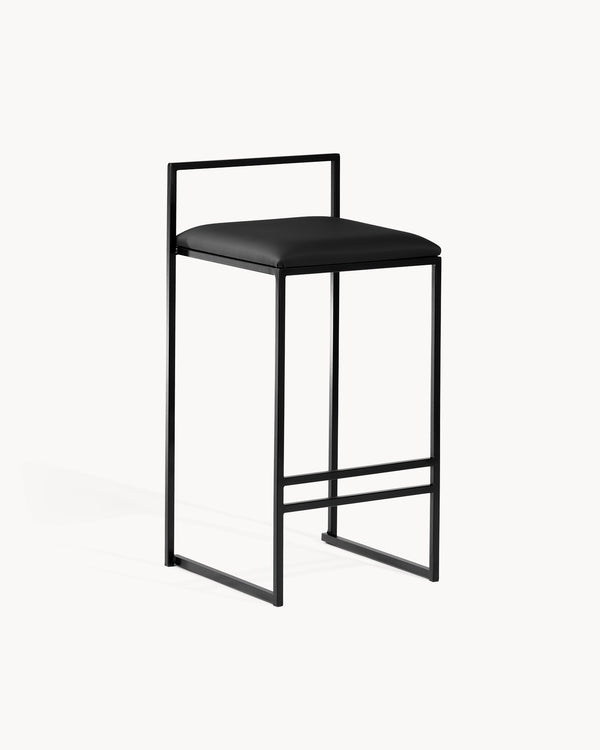
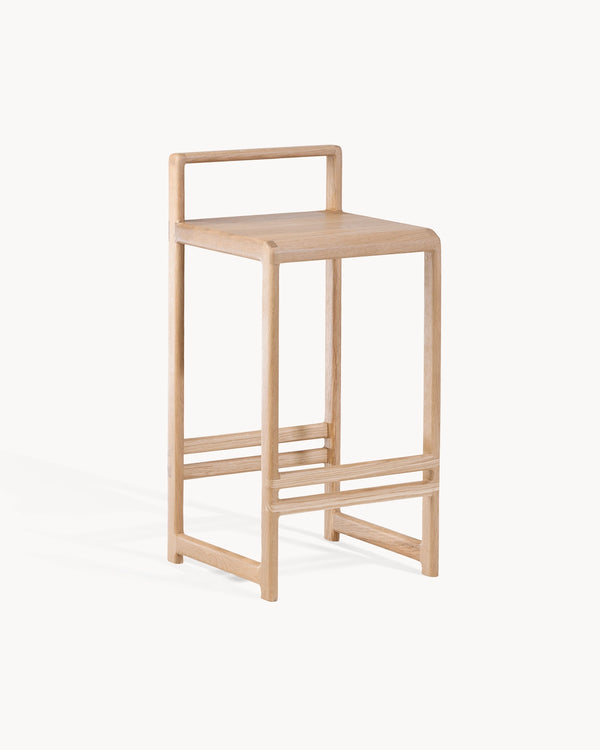
A wobbly bar stool is more than an irritation: a seat 66 or 76 cm off the floor that rocks when you shift your weight is unsettling to sit on and tends to get worse over time. The good news is that most wobbles have a simple cause and a simple fix, and a few minutes of checking tells you which. This guide explains the four causes, how to tell them apart, how to fix each one, when a wobble means a stool is beyond repair, and why the way a stool is built largely decides whether it will ever wobble at all. It is written from what we see in our factory in Malmö, where every stool is welded or glued and checked before it leaves.
Why is my bar stool wobbly?
Almost always for one of four reasons: the floor is uneven, a foot pad is worn or missing, bolts at the joints have worked loose, or a joint is damaged.
The first two are about how the stool meets the floor and are easy to fix; loose bolts can be tightened; a damaged joint may mean the stool needs repair or replacing.
The table sums up the causes and the fix for each. Start with the simplest, because a missing felt pad produces exactly the same rocking as a failing joint.
The four causes of a wobbly bar stool
Cause
How to recognise it
Fix
Uneven floor
Stops rocking when moved to another spot
Felt pads, or move the stool
Worn or missing foot pad
One foot sits lower than the others
Replace the pads on all four feet
Loose bolts
Joints move when you rock the seat
Tighten; add thread-locker if they loosen again
Damaged joint
Visible crack, split wood or worn bolt holes
Repair by a professional, or replace
How do I find out why it wobbles?
Put the stool on a flat, hard surface, such as a level tiled floor or a table top, and rock it gently.
If it stands still there, the problem is the floor or the feet, not the stool. If it still rocks, look and feel at each joint while someone rocks the seat: movement at a joint points to loose bolts or a damaged joint.
Check the feet as you do it. A missing felt pad or a pad worn down to the metal makes one leg effectively shorter, which feels exactly like a loose frame. Tiled and wooden floors are rarely perfectly flat, so a stool that rocks in one spot may sit perfectly still a few centimetres away.
How do I fix a bar stool that rocks on the floor?
Fit fresh felt pads to all four feet, not just the one that seems short, so the stool sits evenly.
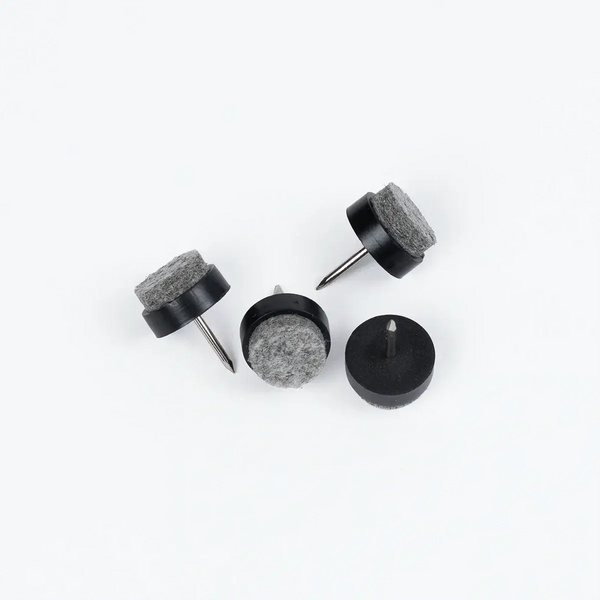
Felt pads on all four feet keep a stool level and quiet.
If the floor itself is uneven, try moving the stool slightly along the counter; small differences in tiles or boards often decide which leg touches. Replace worn pads before they wear through to metal or wood, which also scratches the floor.
We sell felt furniture pads with a nail-in fixing that stays put on stools that are pulled in and out many times a day, and plastic feet for harder use. Our guide to cleaning bar stools covers looking after the floor under the stools too.
How do I fix loose bolts on a bar stool?
Tighten every bolt with the right tool, not just the obvious one, with the stool standing on a flat surface so the frame settles square.
If bolts keep working loose, a drop of removable thread-locker on the thread holds them without making them permanent. Check them again after a week of use.
If a bolt turns but never tightens, the hole has worn oval or the thread is stripped; tightening harder will not help and can split wood. That is a joint that needs repairing. In our experience, stools delivered flat-packed are the most prone to this, because their joints depend on bolts tightened at home.
When can a wobbly bar stool not be fixed?
When a joint is structurally damaged: a cracked weld, a split in solid wood around a joint, or bolt holes worn so oval that nothing holds.
A stool like that should not be used until it is repaired, because the damage grows with every sit. A furniture repairer can sometimes re-glue wood or re-weld steel; often replacing the stool is more sensible.
A stool that has reached this point has usually been bolted together. It is worth remembering when choosing the next one: in our experience, the construction decides the life of a stool more than its price. Our guide to whether expensive bar stools are worth it explains what to look for.
Why don't welded or glued bar stools wobble?
Because they have no bolts to work loose. Every time someone climbs on, leans back or pushes off the footrest, a bolted joint moves a fraction of a millimetre; over months, that can loosen it.
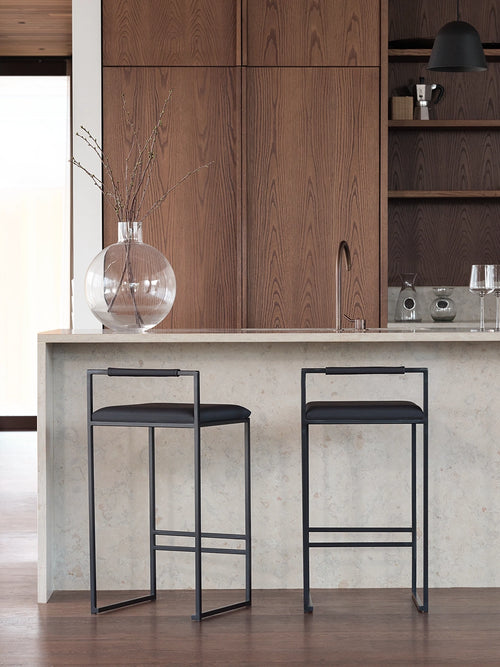
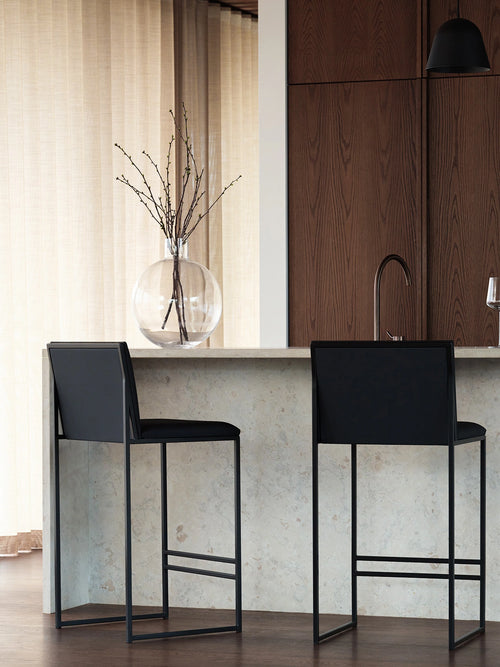
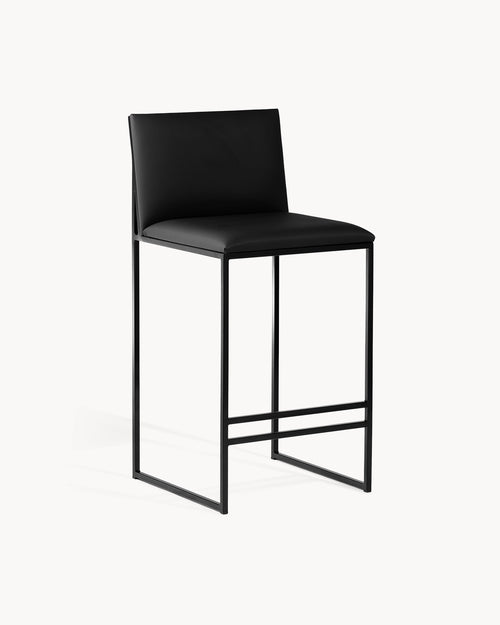
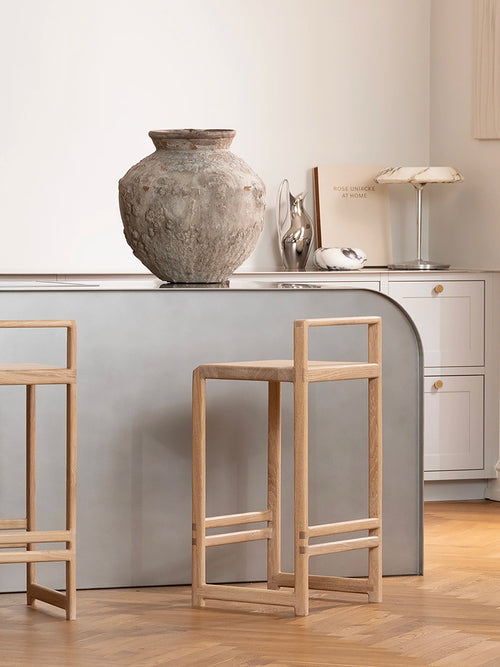
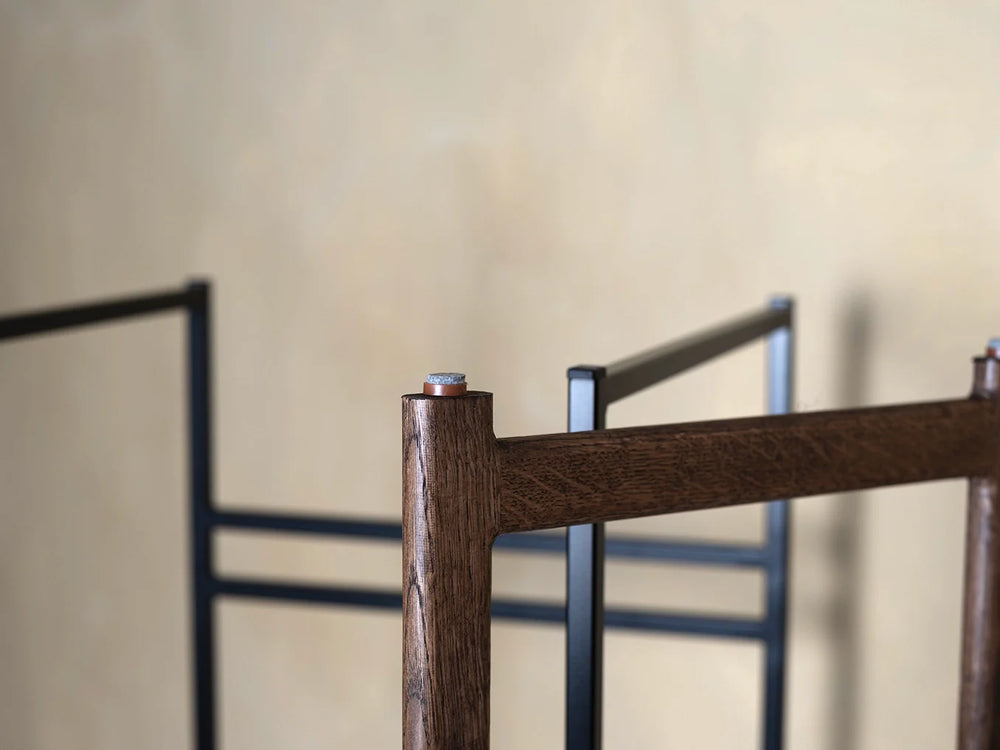
A welded steel joint or a glued solid-oak joint is one piece, so there is nothing to move.
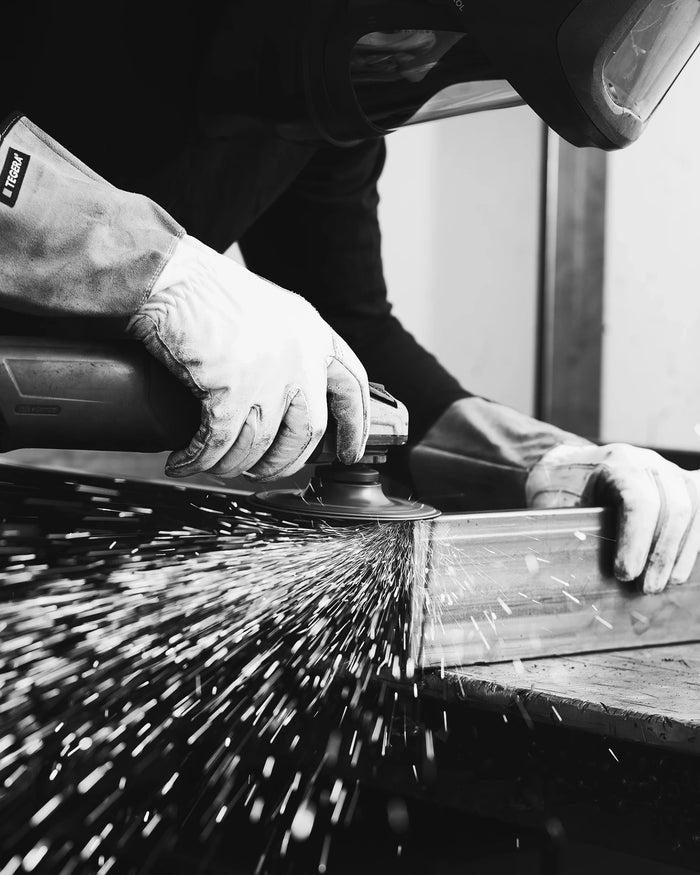
That is why our steel frames are welded and our oak frames glued, and why every stool is delivered fully assembled rather than flat-packed. If one of our stools ever rocks, check the felt pads first; if it is the frame, it is covered by our 10-year warranty, so contact us. See how our bar stools are made.
A welded joint is one piece, with nothing to work loose.
Fixing a wobble in brief
4
Causes: the floor, a pad, bolts or a joint.
Flat
Test the stool on a flat surface first.
0
Bolts to loosen on welded or glued stools.
Test the stool on a flat surface. If it stops rocking, fit fresh felt pads to all four feet or move it slightly; if it still rocks, tighten every bolt and consider thread-locker; if a joint is cracked, split or worn, have it repaired or replace the stool. Welded and glued stools avoid loose bolts altogether: every by Crea stool is made that way in our own factory in Malmö, Sweden, and covered by a 10-year warranty.
Frequently asked questions
Why does my bar stool wobble?
Usually an uneven floor, a worn or missing foot pad, loose bolts or a damaged joint. Test it on a flat surface to find out which.
How do I stop a bar stool rocking on tiles?
Fit fresh felt pads to all four feet and try moving the stool slightly; tiles are rarely perfectly level.
Can I fix a wobbly wooden bar stool?
If bolts are loose, tighten them. If a glued joint has split, it needs re-gluing by a furniture repairer.
Should I use glue on loose bar stool bolts?
Use removable thread-locker, not glue. It holds the bolt without making it permanent.
Do welded bar stools wobble?
Not from the frame, because there are no bolts to loosen. If a welded stool rocks, check the feet and floor first.
What if my by Crea bar stool wobbles?
Check and replace the felt pads first. If the frame itself moves, it is covered by our 10-year warranty; contact us.