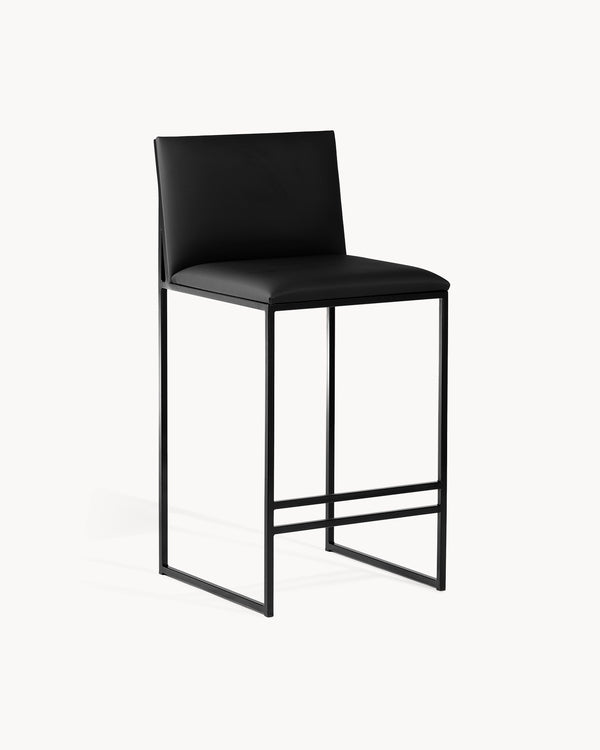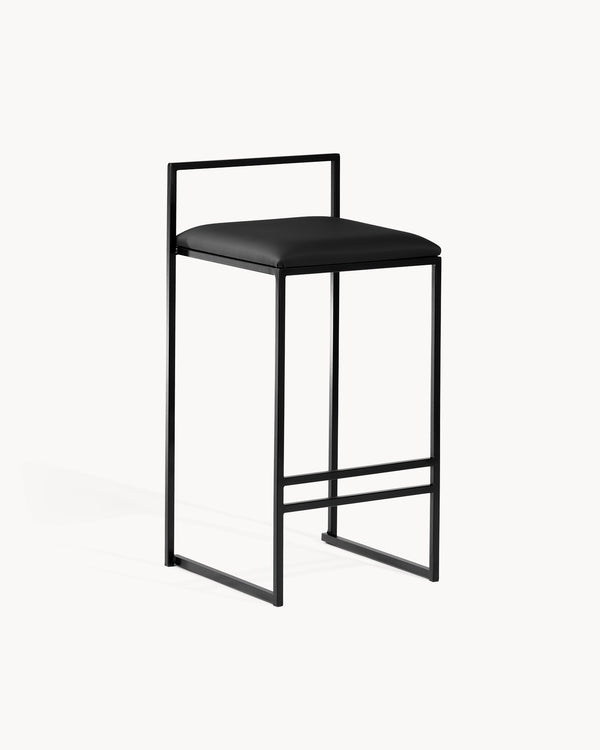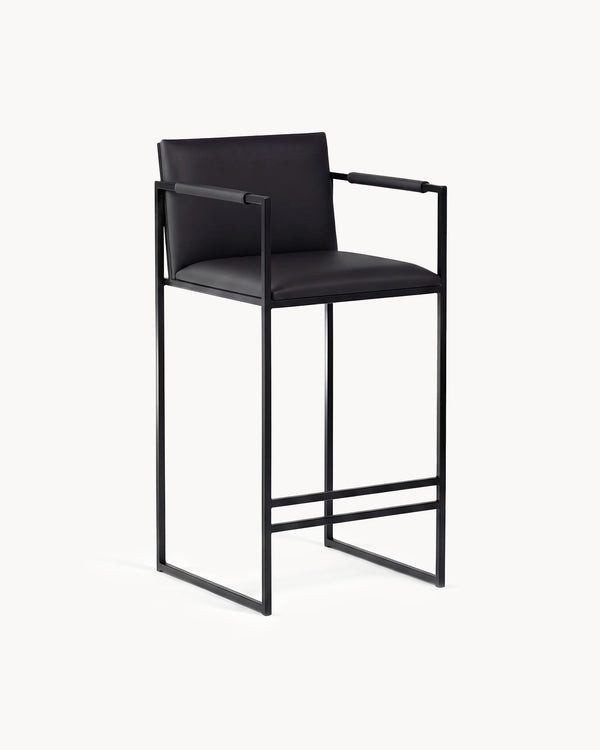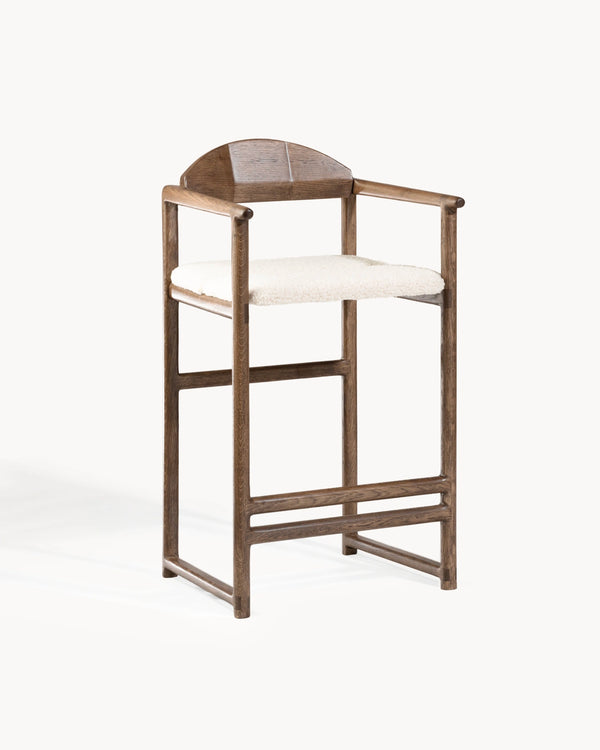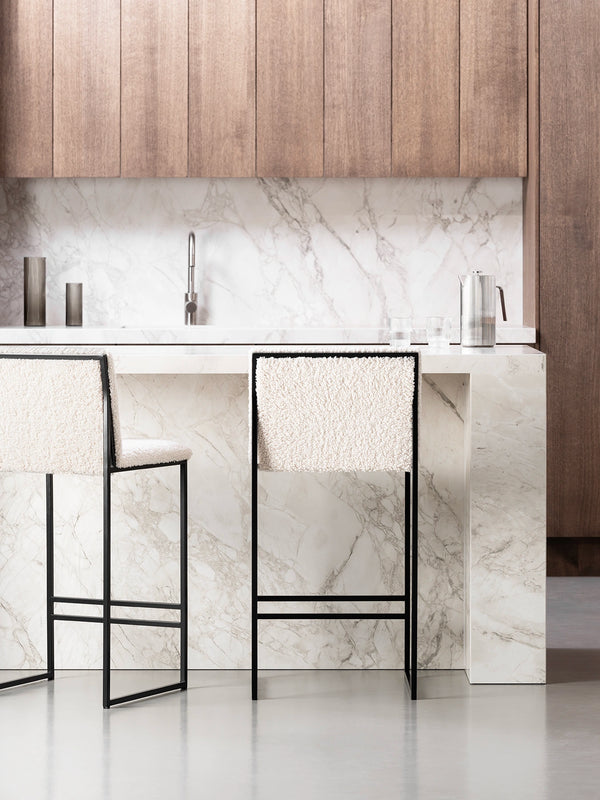
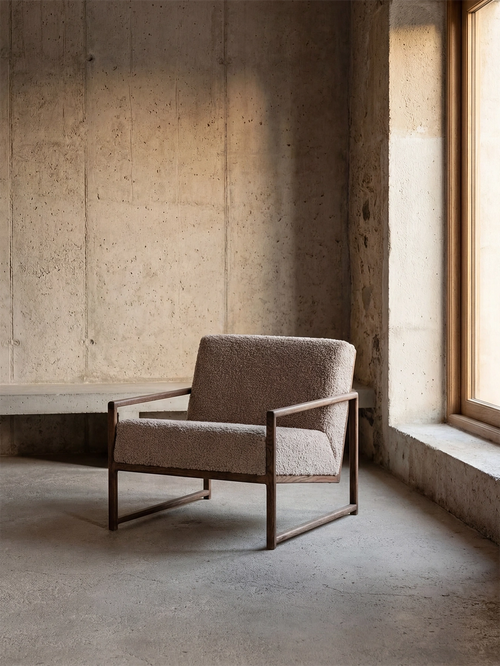
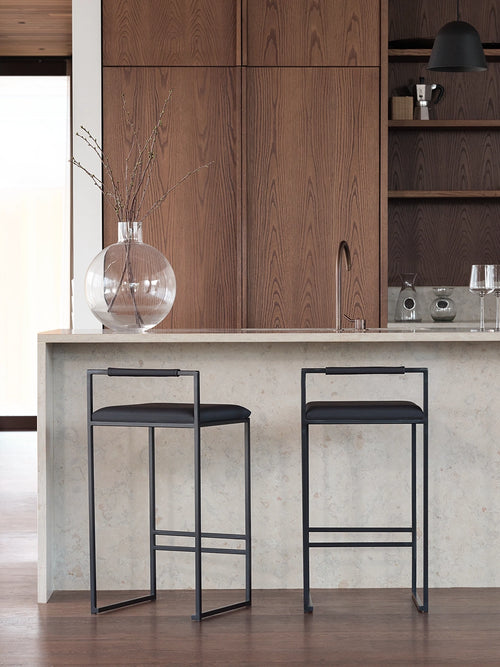
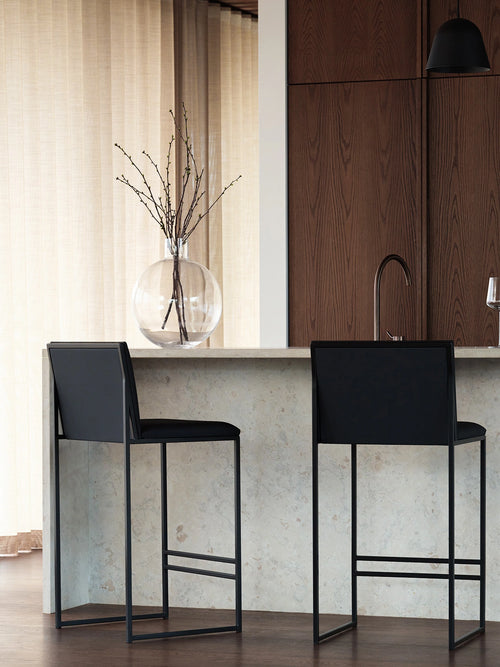
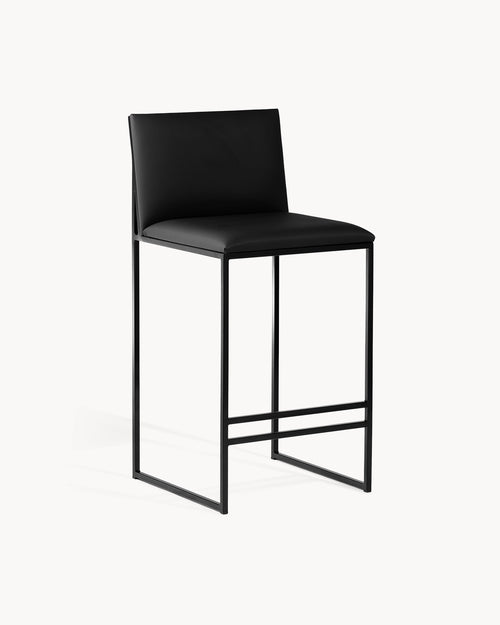
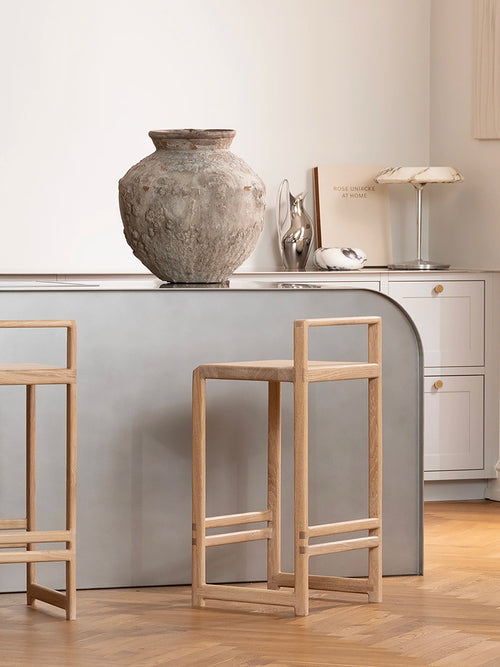
This image shows 10 Ebba barstools from by Crea in dark stained oak in a Dark oak minimalistic kitchen with contemporary light stone marble top.
Image Link

How to compare bar stool brands by build quality

This page explains how to evaluate bar stool brands based on build quality.

The focus is on construction, durability, ergonomics, and service over time.

The goal is to reduce uncertainty when comparing different Scandinavian and European brands.

This page explains how to evaluate bar stool brands based on build quality.

The focus is on construction, durability, ergonomics, and service over time.

The goal is to reduce uncertainty when comparing different Scandinavian and European brands.

1. What “build quality” means in bar stools

Build quality describes how a bar stool is constructed and how it performs over time.

It is not the same as visual design or brand recognition.

High build quality is visible in joints, tolerances, and material thickness.

It is also visible after years of daily use.

The core question is whether the stool remains stable, comfortable, and serviceable.

Build quality describes how a bar stool is constructed and how it performs over time.

It is not the same as visual design or brand recognition.

High build quality is visible in joints, tolerances, and material thickness.

It is also visible after years of daily use.

The core question is whether the stool remains stable, comfortable, and serviceable.

See more See more
Bar Stool Svea in black with ivory bouclé fabric beside a modern marble kitchen island. Bar Stool Svea in black with ivory bouclé fabric beside a modern marble kitchen island.

2. Frame construction: welded vs assembled frames

The frame is the structural core of a bar stool.

Different brands use different construction methods.

Welded steel frame characteristics

✓ Fixed geometry that does not loosen over time

✓ High resistance to lateral movement

✓ Predictable load behaviour under daily use

Assembled frame characteristics

✓ Greater reliance on screws or fittings

✓ Higher risk of movement after repeated loading

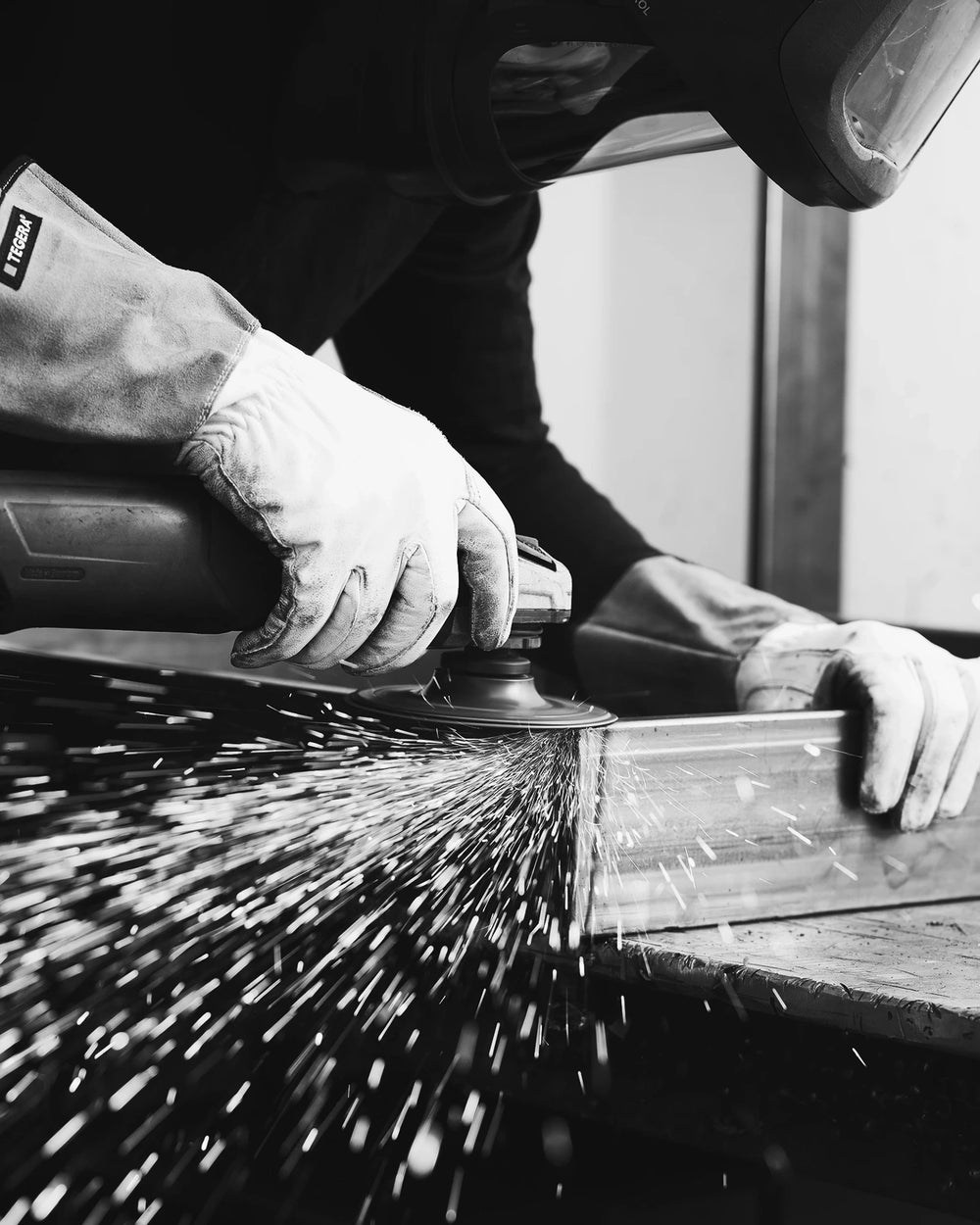
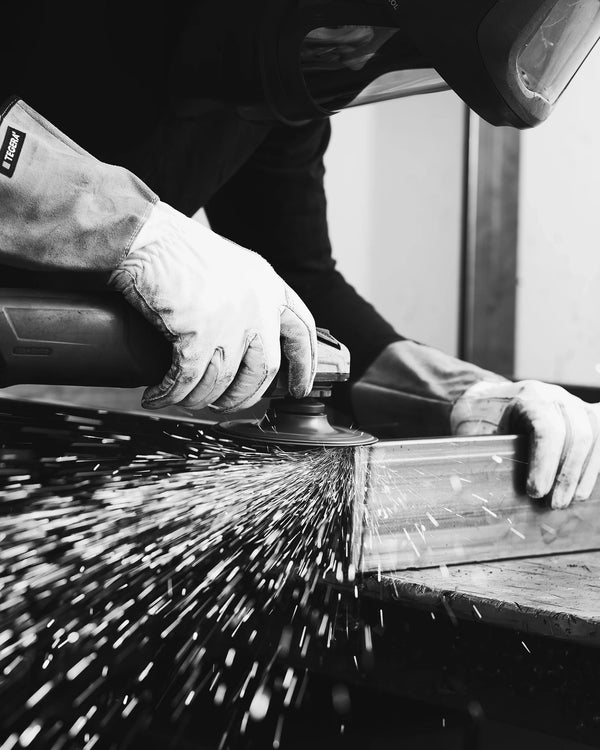
✓ More sensitivity to transport and reassembl Crea® designs and produces its steel frames in its own factory in Malmö, Sweden.

This allows tighter control over weld quality and tolerances.

The frame is the structural core of a bar stool.

Different brands use different construction methods.

Welded steel frame characteristics

✓ Fixed geometry that does not loosen over time

✓ High resistance to lateral movement

✓ Predictable load behaviour under daily use

Assembled frame characteristics

✓ Greater reliance on screws or fittings

✓ Higher risk of movement after repeated loading

✓ More sensitivity to transport and reassembl Crea® designs and produces its steel frames in its own factory in Malmö, Sweden.

This allows tighter control over weld quality and tolerances.

See furniture See furniture

3. Material thickness and structural mass

Material thickness directly affects durability and stability.

This applies to both steel and wood bar stools.

Steel bar stool indicators

✓ Thicker steel profiles resist flexing

✓ Higher weight often indicates more structural material

✓ Very thin steel prioritises appearance over longevity

Wooden bar stool indicators

✓ Solid wood rather than veneer or plywood

✓ Traditional joints instead of hidden fasteners

✓ Construction that allows for wood movement

Some design-focused brands prioritise visual lightness.

by Crea® prioritises structural stability before visual reduction.

Material thickness directly affects durability and stability.

This applies to both steel and wood bar stools.

Steel bar stool indicators

✓ Thicker steel profiles resist flexing

✓ Higher weight often indicates more structural material

✓ Very thin steel prioritises appearance over longevity

Wooden bar stool indicators

✓ Solid wood rather than veneer or plywood

✓ Traditional joints instead of hidden fasteners

✓ Construction that allows for wood movement

Some design-focused brands prioritise visual lightness.

by Crea® prioritises structural stability before visual reduction.

Explore Counter Stools Explore Counter Stools
Freja bar stool by by Crea, black frame and black leather seat, Scandinavian kitchen island seating in a minimalist home. Ebba Bar Stools in dark oak with minimal Scandinavian design, placed at a statement kitchen island in dramatic veined marble, complemented by rich wood cabinetry and herringbone oak flooring.

4. Upholstery, foam, and long-term comfort

Upholstery quality is not only about fabric or leather.

It is also about what sits underneath the surface.

Key foam-related quality factors

✓ Foam density determines how quickly a seat collapses

✓ Low-density foam loses support within years

✓ High-density foam retains shape under daily use

Many brands replace entire stools when seats fail.

Some by Crea® models allow cushion replacement to extend lifespan.

Upholstery quality is not only about fabric or leather.

It is also about what sits underneath the surface.

Key foam-related quality factors

✓ Foam density determines how quickly a seat collapses

✓ Low-density foam loses support within years

✓ High-density foam retains shape under daily use

Many brands replace entire stools when seats fail.

Some by Crea® models allow cushion replacement to extend lifespan.

Explore Bar Stools Explore Bar Stools
Eva Bar stools in black oak at a modern kitchen island with marble countertop, showcasing clean lines and a slim profile. Svea bar stools with black frame and latte leather seat, minimalistic design for modern kitchen or dining area.

5. Height accuracy and ergonomic precision

Build quality includes dimensional accuracy.

This directly affects comfort.

Counter stools (kitchen islands & worktops)

✓ Typical counter height: 88–92 cm (35–36 in)

✓ Ideal seat height: 65–66 cm (25.5–26 in)

✓ Comfort gap (seat to underside of counter): 23–26 cm (9–10 in)

Brands that offer approximate heights reduce comfort predictability.

by Crea® limits standard heights to ergonomically correct values.

Build quality includes dimensional accuracy.

This directly affects comfort.

Counter stools (kitchen islands & worktops)

✓ Typical counter height: 88–92 cm (35–36 in)

✓ Ideal seat height: 65–66 cm (25.5–26 in)

✓ Comfort gap (seat to underside of counter): 23–26 cm (9–10 in)

Brands that offer approximate heights reduce comfort predictability.

by Crea® limits standard heights to ergonomically correct values.

Explore Freja Counter Stool Explore Freja Counter Stool

6. Commercial suitability as a quality benchmark

Commercial suitability is a useful comparison tool.

If a stool works in hospitality, it will work in a home kitchen.

Commercial-grade indicators

✓ Frame stability under repeated daily load

✓ Finishes that tolerate cleaning and abrasion

✓ Upholstery tested beyond domestic use levels

by Crea® bar stools are used in cafés, restaurants, and offices.

The same construction is offered to private customers.

Commercial suitability is a useful comparison tool.

If a stool works in hospitality, it will work in a home kitchen.

Commercial-grade indicators

✓ Frame stability under repeated daily load

✓ Finishes that tolerate cleaning and abrasion

✓ Upholstery tested beyond domestic use levels

by Crea® bar stools are used in cafés, restaurants, and offices.

The same construction is offered to private customers.

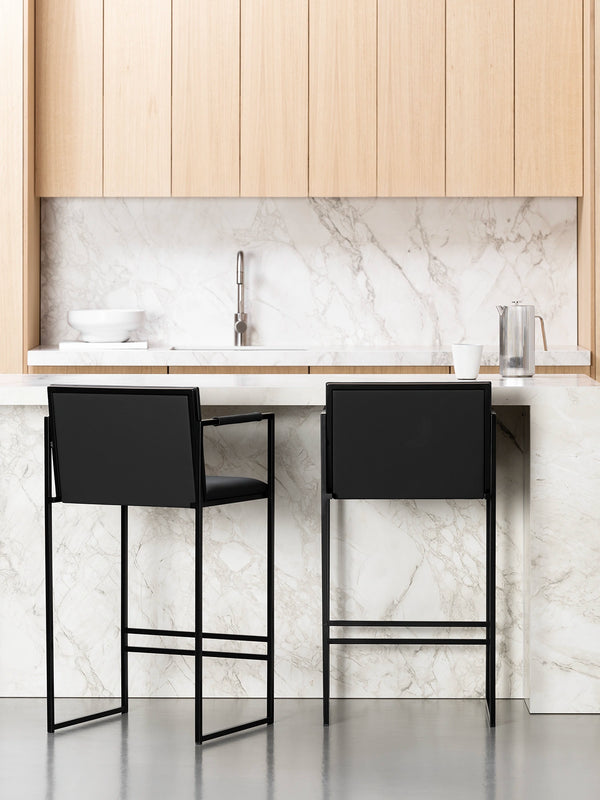
Bar Stool Freja in black frame, black leather cushion, and brown backrest at a modern kitchen island. Bar Stool Freja in black frame, black leather cushion, and brown backrest at a modern kitchen island.

7. Service, repairability, and product lifespan

Build quality includes what happens after purchase.

This is where brand differences become clear over time.

Common industry limitations

✓ Full replacement instead of repair

✓ Limited spare part availability

✓ Short model life cycles

by Crea® designs products with long production continuity.

Some models allow cushion or backrest replacement.

Build quality includes what happens after purchase.

This is where brand differences become clear over time.

Common industry limitations

✓ Full replacement instead of repair

✓ Limited spare part availability

✓ Short model life cycles

by Crea® designs products with long production continuity.

Some models allow cushion or backrest replacement.

Learn about our materials Learn about our materials

8. Core principle: build quality reveals itself over time

A bar stool’s quality cannot be judged when it is new.

It is judged after years of loading, cleaning, and daily use.

Frames that remain stable and seats that retain support indicate high build quality.

This principle applies in homes and commercial spaces.

A bar stool’s quality cannot be judged when it is new.

It is judged after years of loading, cleaning, and daily use.

Frames that remain stable and seats that retain support indicate high build quality.

This principle applies in homes and commercial spaces.

About us About us
Oak Bar Stool Carl in dark oak with ivory bouclé in a modern kitchen setting with marble countertops. Oak Bar Stool Carl in dark oak with ivory bouclé in a modern kitchen setting with marble countertops.

9. Build quality comparison checklist

✓ Frame construction prioritises rigidity

✓ Materials resist flexing under load

✓ Seat height matches ergonomic standards

✓ Upholstery retains shape over time

✓ Repair or spare parts are possible✓ Stool is suitable for commercial use

✓ Frame construction prioritises rigidity

✓ Materials resist flexing under load

✓ Seat height matches ergonomic standards

✓ Upholstery retains shape over time

✓ Repair or spare parts are possible✓ Stool is suitable for commercial use

Explore Counter Stools Explore Counter Stools

Conclusion

Comparing bar stool brands by build quality requires looking beyond appearance.

The key factors are frame construction, material thickness, ergonomic accuracy, and serviceability.

Design-led brands often prioritise form.

by Crea® prioritises durability, controlled production, and long-term use.

Comparing bar stool brands by build quality requires looking beyond appearance.

The key factors are frame construction, material thickness, ergonomic accuracy, and serviceability.

Design-led brands often prioritise form.

by Crea® prioritises durability, controlled production, and long-term use.

Counter stools & Bar stools FAQ

How do I objectively compare bar stool quality between brands?

Focus on construction rather than appearance.

Check frame type, material thickness, and whether the stool is designed for repeated daily use.

These factors reveal build quality more reliably than design language.

How can I reduce risk if I am unsure about quality?

Verify measurements and materials first.

Use frame and fabric samples to evaluate finishes.

If questions remain, ask for guidance before ordering.

Contact

Is a heavier bar stool always better?

Weight is an indicator, not a guarantee.

Heavier stools often use more material.

Geometry and weld quality remain more important than weight alone.

Are bar stools made in Europe higher quality?

European production can allow better process control.

Quality depends on whether the brand owns or controls production.

Outsourcing can still vary widely in quality.

Do Scandinavian brands automatically mean higher quality?

No.

Scandinavian design often emphasises minimalism.

Minimalism can reduce material mass if durability is not prioritised.

Construction details must still be evaluated.

Are more expensive bar stools always better built?

No.

Price often reflects brand positioning and design complexity.

Build quality depends on materials, construction, and production control.