Your cart is empty
Yes, metal stools can absolutely be comfortable, but comfort depends far more on proportions, seat design, and support than on the frame material itself. A well-made metal stool with the right seat height, a supportive footrest, and a balanced seat can feel comfortable for everyday meals, morning coffee, and even short work sessions at a kitchen island.
When people search for “are metal stools comfortable,” they are rarely asking about metal alone. They are usually trying to understand whether metal bar stools, counter stools, or kitchen island stools will feel good to sit on every day, whether they will feel too cold or hard, and whether they are a practical choice for long-term use in a modern home. Those are the questions that really matter.
At by Crea, comfort is never treated as an afterthought. A stool should not only look refined in a Scandinavian kitchen, but also support the body naturally through correct height, a stable frame, and a seat that feels inviting in daily life. If you are comparing metal bar stools, wooden bar stools, or custom bar stools, the key is to focus on ergonomics before material alone.
Yes, metal stools can absolutely be comfortable, but comfort depends far more on proportions, seat design, and support than on the frame material itself. A well-made metal stool with the right seat height, a supportive footrest, and a balanced seat can feel comfortable for everyday meals, morning coffee, and even short work sessions at a kitchen island.
When people search for “are metal stools comfortable,” they are rarely asking about metal alone. They are usually trying to understand whether metal bar stools, counter stools, or kitchen island stools will feel good to sit on every day, whether they will feel too cold or hard, and whether they are a practical choice for long-term use in a modern home. Those are the questions that really matter.
At by Crea, comfort is never treated as an afterthought. A stool should not only look refined in a Scandinavian kitchen, but also support the body naturally through correct height, a stable frame, and a seat that feels inviting in daily life. If you are comparing metal bar stools, wooden bar stools, or custom bar stools, the key is to focus on ergonomics before material alone.
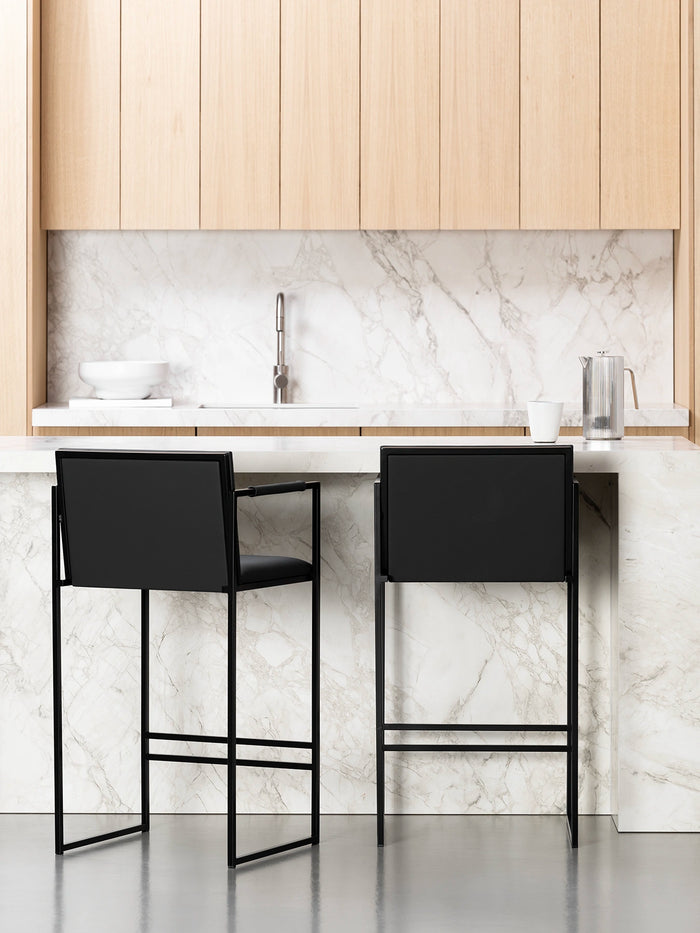
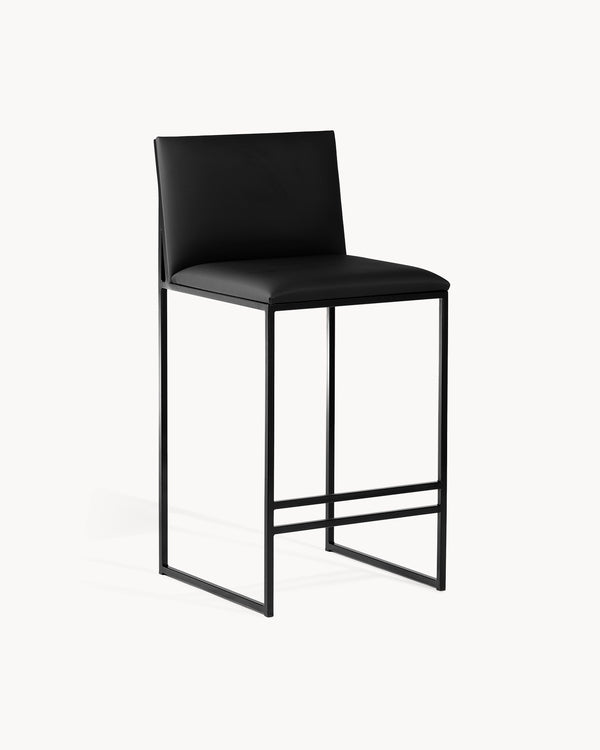
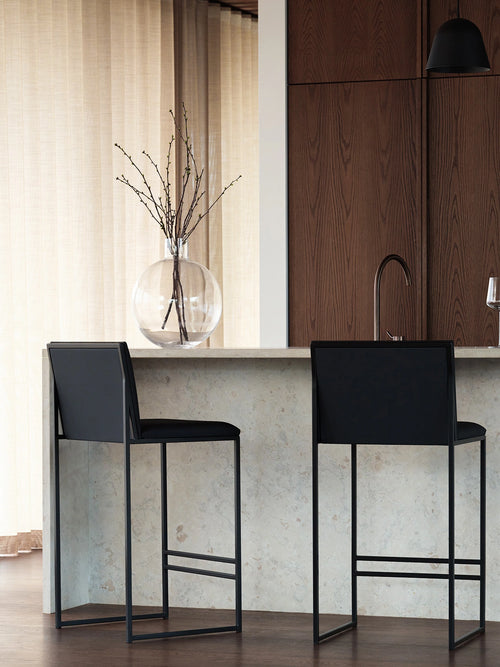
Freja bar stool with a supportive back and footrest offers more comfort for long-term sitting at the kitchen island.
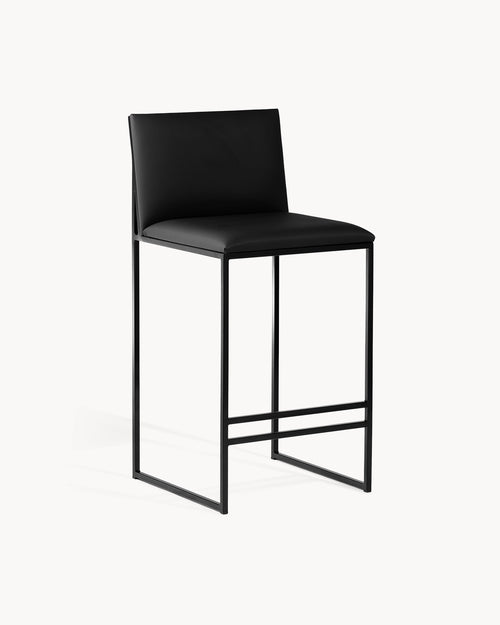
Philip bar stool with backrest and integrated foot support makes everyday seating at the kitchen island more comfortable over time.
Metal stools are comfortable when they are designed with the right ergonomics.
A comfortable metal stool typically includes:
A metal stool becomes uncomfortable when the seat is too high, too low, too flat, or unsupported. In other words, the frame material is not the real problem. Geometry is.
Metal stools are comfortable when they are designed with the right ergonomics.
A comfortable metal stool typically includes:
A metal stool becomes uncomfortable when the seat is too high, too low, too flat, or unsupported. In other words, the frame material is not the real problem. Geometry is.
Comfort in a metal stool comes down to support, proportions, and how the body sits over time. The most important factor is the seat height. If the stool is too high or too low, it will quickly feel awkward and place unnecessary pressure on the legs. For most kitchen islands and counters, a stool height of around 65–66 cm works well with counters measuring roughly 88–92 cm, leaving a comfortable gap of about 23–26 cm between the seat and the underside of the countertop. For bar-height surfaces, a taller stool is usually needed, often around 75–76 cm. This is why choosing counter stools & bar stools in the right height matters more than whether the frame is made from metal or wood.
A footrest also makes a big difference to everyday comfort. Without proper support for the feet, pressure builds more quickly in the thighs and lower back, especially during meals or longer moments around the kitchen island. A well-placed footrest helps the body feel balanced and relaxed, which is often what separates a stool that feels supportive from one that becomes tiring after only a short time.
Seat shape and padding matter just as much. Metal stools are not uncomfortable by nature, as comfort depends more on the seat itself than on the frame material. A metal stool can have an upholstered seat, a padded cushion, a shaped seat, or a design with a low back or full back. Padding helps distribute weight more evenly and makes the stool feel more comfortable for daily use, whether it is used for breakfast, working at the island, or gathering with family and guests.
Back support becomes more important the longer you sit. Backless stools can still be comfortable for shorter periods and are often a practical choice in smaller kitchens because they tuck neatly under the counter. For longer sitting, however, bar stools with backs usually offer a more supportive and relaxed experience, especially when the stool is used every day rather than only from time to time.
Comfort in a metal stool comes down to support, proportions, and how the body sits over time. The most important factor is the seat height. If the stool is too high or too low, it will quickly feel awkward and place unnecessary pressure on the legs. For most kitchen islands and counters, a stool height of around 65–66 cm works well with counters measuring roughly 88–92 cm, leaving a comfortable gap of about 23–26 cm between the seat and the underside of the countertop. For bar-height surfaces, a taller stool is usually needed, often around 75–76 cm. This is why choosing counter stools & bar stools in the right height matters more than whether the frame is made from metal or wood.
A footrest also makes a big difference to everyday comfort. Without proper support for the feet, pressure builds more quickly in the thighs and lower back, especially during meals or longer moments around the kitchen island. A well-placed footrest helps the body feel balanced and relaxed, which is often what separates a stool that feels supportive from one that becomes tiring after only a short time.
Seat shape and padding matter just as much. Metal stools are not uncomfortable by nature, as comfort depends more on the seat itself than on the frame material. A metal stool can have an upholstered seat, a padded cushion, a shaped seat, or a design with a low back or full back. Padding helps distribute weight more evenly and makes the stool feel more comfortable for daily use, whether it is used for breakfast, working at the island, or gathering with family and guests.
Back support becomes more important the longer you sit. Backless stools can still be comfortable for shorter periods and are often a practical choice in smaller kitchens because they tuck neatly under the counter. For longer sitting, however, bar stools with backs usually offer a more supportive and relaxed experience, especially when the stool is used every day rather than only from time to time.
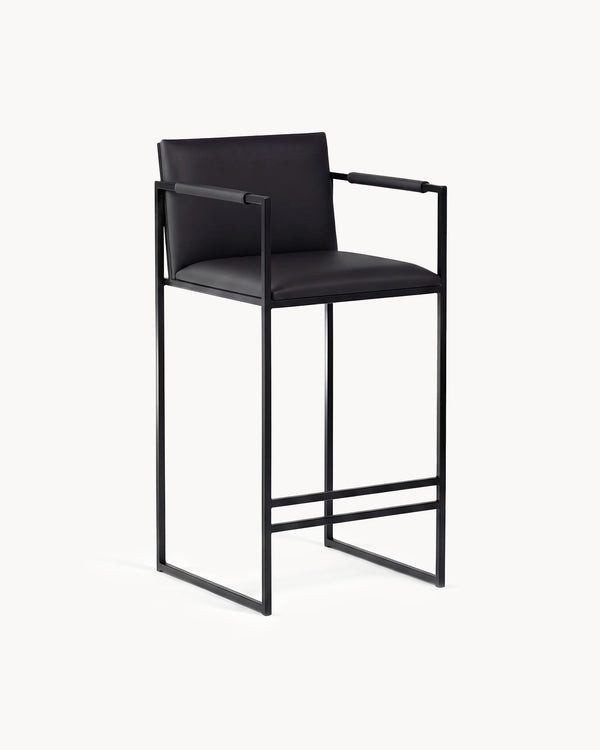
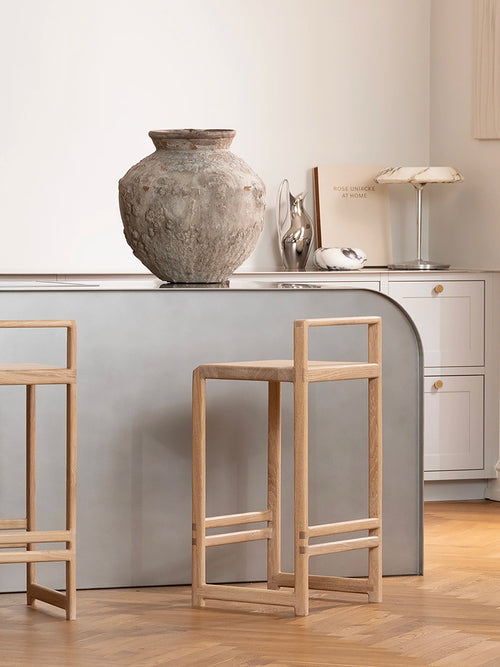
Bruno bar stool with armrests, a supportive backrest and a stable footrest is better suited to long-term comfort at the kitchen island.
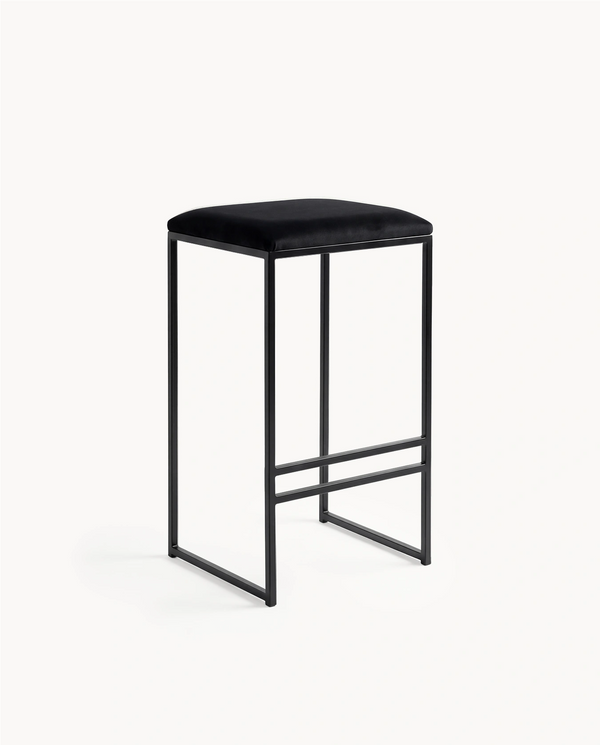
Svea bar stool with upholstered seat and integrated foot support works well for shorter sits at the kitchen island, but offers less support for long-term sitting.
Freja bar stool is available in 9 variants, with the option to design your own to suit your kitchen
Sometimes, but usually only for short periods. A bare metal seat can work well in spaces where the stool is used briefly and occasionally. But for daily living, most people find upholstered or cushioned seating much more comfortable. The reason is simple: upholstery softens contact points and improves weight distribution. So if the real question is, “Will a metal stool feel hard?” the answer is:
This is why many modern metal bar stools are designed with upholstered seats or supportive seat pads rather than exposed metal seating surfaces.
Sometimes, but usually only for short periods. A bare metal seat can work well in spaces where the stool is used briefly and occasionally. But for daily living, most people find upholstered or cushioned seating much more comfortable. The reason is simple: upholstery softens contact points and improves weight distribution. So if the real question is, “Will a metal stool feel hard?” the answer is:
This is why many modern metal bar stools are designed with upholstered seats or supportive seat pads rather than exposed metal seating surfaces.
They can if the body is in direct contact with exposed metal. But that is not true of all metal stools.
If the seat is upholstered, padded, or covered in leather, bouclé, or fabric, the stool does not feel cold in the same way a bare metal surface might. In everyday residential interiors, perceived temperature comes more from the seat surface than the frame itself. Your current page makes this distinction clearly, and by Crea’s upholstered stool designs support that same user expectation.
So if warmth and softness matter to your customer, the strongest recommendation is not “avoid metal.” It is “choose a metal stool with a comfortable seat finish.”
They can if the body is in direct contact with exposed metal. But that is not true of all metal stools.
If the seat is upholstered, padded, or covered in leather, bouclé, or fabric, the stool does not feel cold in the same way a bare metal surface might. In everyday residential interiors, perceived temperature comes more from the seat surface than the frame itself. Your current page makes this distinction clearly, and by Crea’s upholstered stool designs support that same user expectation.
So if warmth and softness matter to your customer, the strongest recommendation is not “avoid metal.” It is “choose a metal stool with a comfortable seat finish.”
Yes, high-quality metal stools are often excellent for daily use. A well-constructed steel stool can offer:
That is one reason metal stools are so widely used in both homes and hospitality spaces. The frame can be strong and visually light at the same time. On your live category pages, by Crea also positions steel and oak stools for everyday kitchen island use, with set heights and custom-height options for better ergonomic fit.
If comfort and longevity are equally important, custom bar stools can be especially valuable because they allow the height to suit the exact island or bar rather than forcing the customer into a generic size.
Yes, high-quality metal stools are often excellent for daily use. A well-constructed steel stool can offer:
That is one reason metal stools are so widely used in both homes and hospitality spaces. The frame can be strong and visually light at the same time. On your live category pages, by Crea also positions steel and oak stools for everyday kitchen island use, with set heights and custom-height options for better ergonomic fit.
If comfort and longevity are equally important, custom bar stools can be especially valuable because they allow the height to suit the exact island or bar rather than forcing the customer into a generic size.
For long meals and social seating, bar stools with backs often provide better posture support than backless designs.
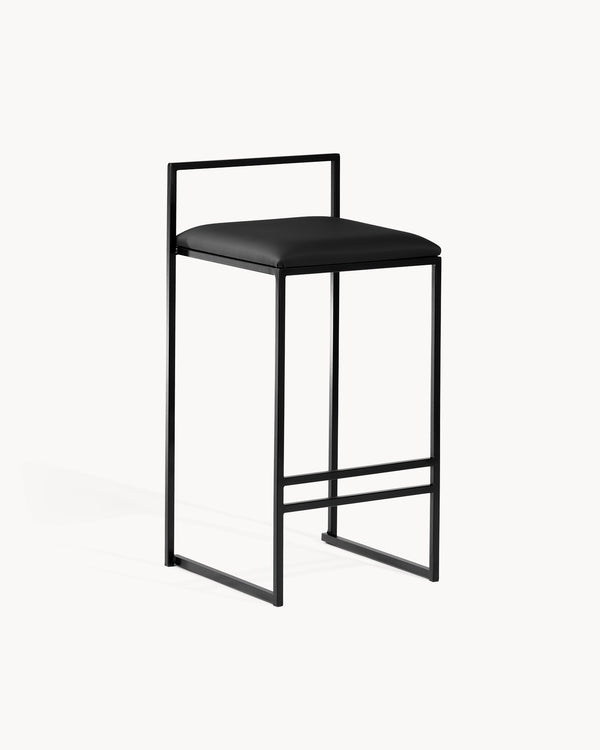
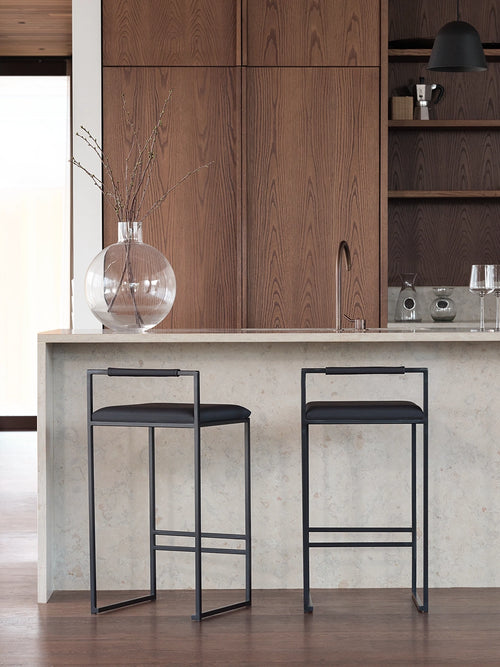
Upholstered counter stools with steel frames combine visual lightness with everyday comfort for kitchen islands.
A well-designed metal bar stool can be comfortable for daily use when the seat height, footrest, and upholstery are proportioned correctly.
Neither material is automatically more comfortable. A poorly proportioned wooden stool can feel less comfortable than a well-designed metal stool. Likewise, a metal stool with poor height, no foot support, and a hard flat seat can feel worse than almost anything else. In reality, comfort depends on:
The better comparison is not metal vs wood. It is one well-designed stool vs another. That said, customers who prefer a softer, warmer visual expression may naturally compare metal bar stools with wooden bar stools, especially in Scandinavian kitchens where both materials are popular.
Neither material is automatically more comfortable. A poorly proportioned wooden stool can feel less comfortable than a well-designed metal stool. Likewise, a metal stool with poor height, no foot support, and a hard flat seat can feel worse than almost anything else. In reality, comfort depends on:
The better comparison is not metal vs wood. It is one well-designed stool vs another. That said, customers who prefer a softer, warmer visual expression may naturally compare metal bar stools with wooden bar stools, especially in Scandinavian kitchens where both materials are popular.
Often more than people expect. One of the biggest advantages of metal-framed stools is visual lightness. Slim welded frames tend to look less bulky than thicker alternatives, which helps a small kitchen feel more open. Many also tuck neatly under the counter, keeping walkways cleaner and reducing visual clutter.
That makes metal bar stools a strong option for compact kitchen islands, apartments, and open-plan spaces where every visual line matters. Your existing page and live Freja stool positioning both support this slim-under-counter benefit.
Often more than people expect. One of the biggest advantages of metal-framed stools is visual lightness. Slim welded frames tend to look less bulky than thicker alternatives, which helps a small kitchen feel more open. Many also tuck neatly under the counter, keeping walkways cleaner and reducing visual clutter.
That makes metal bar stools a strong option for compact kitchen islands, apartments, and open-plan spaces where every visual line matters. Your existing page and live Freja stool positioning both support this slim-under-counter benefit.
A metal stool is comfortable when the body is supported correctly. If height, footrest, and seat design follow ergonomic rules, metal stools are suitable for daily use. If those rules are ignored, no material choice compensates for the geometry. This principle applies in both home kitchens and commercial environments.
Slim kitchen island stools in metal help small kitchens feel more open while still offering stable daily seating.
If comfort is the priority, custom bar stools allow you to match the exact height of your counter or bar.
Slim kitchen island stools in metal help small kitchens feel more open while still offering stable daily seating.
Metal stools work especially well in homes that want:
They are especially effective when paired with handmade furniture, a refined kitchen palette, and custom sizing that makes the layout feel intentional rather than generic.
Metal stools work especially well in homes that want:
They are especially effective when paired with handmade furniture, a refined kitchen palette, and custom sizing that makes the layout feel intentional rather than generic.
Yes. Metal counter stools can be very comfortable for kitchen islands when the seat height matches the counter correctly and the stool includes proper foot support. For most standard counters around 88–92 cm high, a stool around 65–66 cm usually creates the right ergonomic fit.
Yes, if they are built for repeated daily sitting. Everyday comfort depends on seat height, footrest placement, back support, and whether the seat is cushioned or upholstered, not simply on the fact that the frame is metal.
Only if the body sits directly on exposed metal. Upholstered or cushioned metal stools do not usually feel cold in normal residential use because the body is in contact with the seat finish, not the metal frame itself.
Yes, for short to moderate sitting periods. For longer meals or more supportive sitting, bar stools with backs are usually the more comfortable choice.
Not automatically. Comfort depends more on the stool’s height, footrest, seat shape, cushioning, and back support than on whether the frame is metal or wood.
The most common reasons are incorrect height, no footrest, a hard flat seat, or lack of support for the intended sitting time. A poorly sized stool will feel uncomfortable regardless of how premium the material is.