Barhocker für Thekenhöhe oder Barhöhe: Wo ist der Unterschied?
Von Alexandra PetterssonFachlich geprüft von Alexander TjernströmAktualisiert am
Der Unterschied ist die Höhe. Ein Barhocker für Thekenhöhe hat etwa 66 cm (26 in) Sitzhöhe und passt zu einer Küchentheke oder Kücheninsel von 89 bis 92 cm (35 bis 36 in). Ein Barhocker für Barhöhe hat etwa 76 cm (30 in) Sitzhöhe und passt zu einer Bartheke von 99 bis 102 cm (39 bis 40 in). Die meisten Kücheninseln haben Thekenhöhe, deshalb sind 66 cm Sitzhöhe in fast jeder Küche die richtige Wahl.
Im Deutschen heißen beide Barhocker, und so liegt der Gedanke nahe, dass alle Barhocker gleich hoch sind. Sind sie nicht: Es gibt zwei Standardhöhen, die sich um etwa 10 cm (4 in) unterscheiden, und die falsche Höhe bedeutet entweder Knie unter der Arbeitsplatte oder einen Sitz, der zum Essen zu niedrig ist. Viele suchen nach Barhocker 65 cm oder 75 cm, das sind in der Praxis dieselben beiden Höhen wie unsere 66 und 76 cm. In den USA haben die beiden sogar unterschiedliche Namen, counter stool und bar stool. Dieser Ratgeber zeigt den Unterschied in Zentimetern und Zoll, welche Höhe Ihre Küche braucht und was zu tun ist, wenn Ihre Theke zwischen den beiden Standardhöhen liegt.
Was unterscheidet einen Barhocker für Thekenhöhe von einem für Barhöhe?
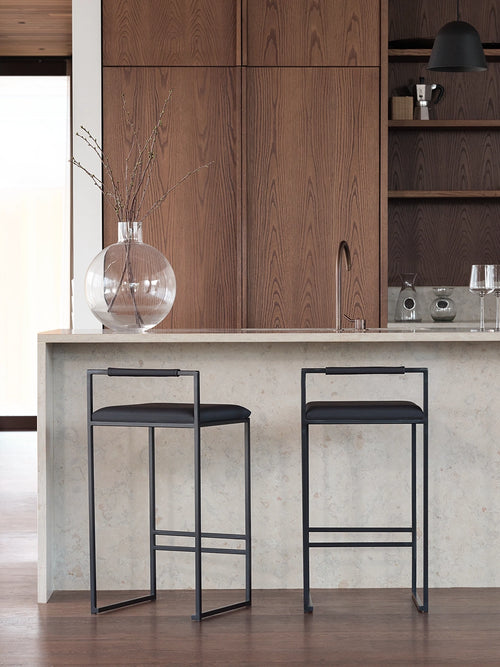
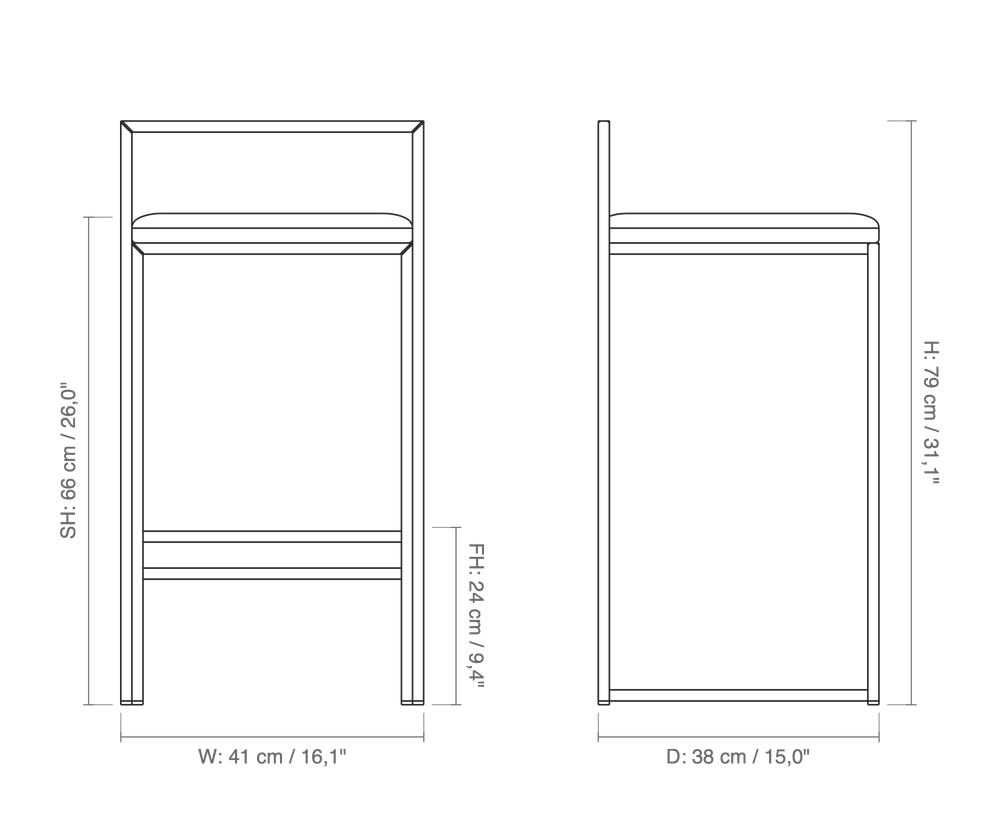
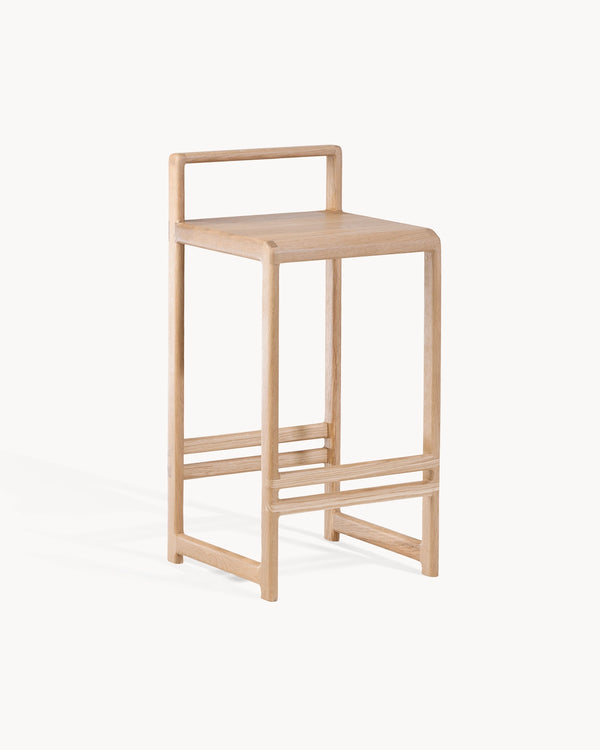
Freja mit 66 cm (26 in) Sitzhöhe: Thekenhöhe.
Ein Barhocker für Thekenhöhe hat etwa 66 cm (26 in) Sitzhöhe und ist für Küchentheken und Kücheninseln von 89 bis 92 cm (35 bis 36 in) gemacht. Ein Barhocker für Barhöhe hat etwa 76 cm (30 in) Sitzhöhe und ist für Bartheken von 99 bis 102 cm (39 bis 40 in) gemacht. Alles andere, von der Lehne bis zum Material, kann gleich sein.
Beide Höhen folgen derselben Regel: Der Sitz liegt 23 bis 26 cm (9 bis 10 in) unter der Unterkante der Theke, sodass die Oberschenkel Platz haben, ohne dass die Theke außer Reichweite rückt. Deshalb liegen die beiden Typen genau eine Thekenstufe auseinander. Bei by Crea gibt es jedes Modell in beiden Höhen, Sie wählen also erst den Hocker und dann die Höhe.
Barhocker für Thekenhöhe und Barhöhe im Vergleich
Merkmal
Thekenhöhe
Barhöhe
Sitzhöhe
66 cm (26 in)
76 cm (30 in)
Name in den USA
Counter stool, 24 bis 27 in
Bar stool, 28 bis 32 in
Passende Theke
89 bis 92 cm (35 bis 36 in)
99 bis 102 cm (39 bis 40 in)
Typischer Ort
Küchenarbeitsplatte, Kücheninsel
Hausbar, erhöhter Inselbereich, Bartheke
Anteil der Küchen
Die meisten
Eine Minderheit
Wie hoch ist ein Barhocker für Thekenhöhe?
Ein Barhocker für Thekenhöhe hat eine Sitzhöhe von etwa 66 cm (26 in); im Handel liest man oft 65 cm, das ist derselbe Standard. Er ist für die übliche Küchentheke von 89 bis 92 cm (35 bis 36 in) gemacht, gemessen bis zur Unterkante der Platte, und lässt 23 bis 26 cm (9 bis 10 in) Beinfreiheit.
Thekenhöhe ist in deutschen und europäischen Küchen der Standard, deshalb brauchen die meisten Haushalte diese Höhe. Sie ist auch leichter zu erklimmen, was für Kinder und ältere Gäste zählt. Unser Ratgeber zur Barhocker-Höhe enthält einen Rechner, falls Sie Ihre eigene Theke prüfen möchten.
Wie hoch ist ein Barhocker für Barhöhe?
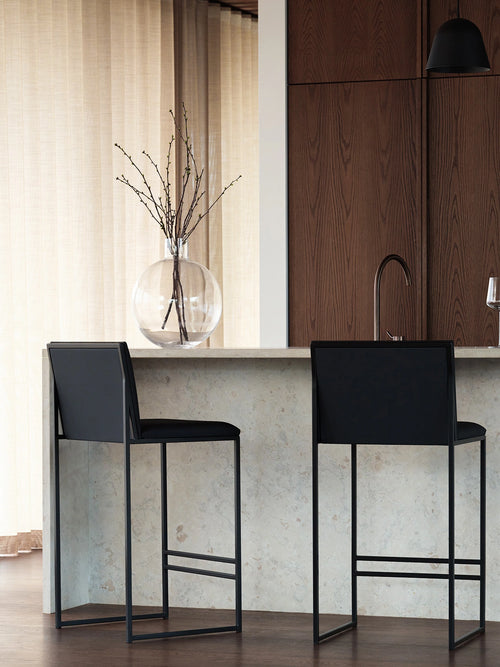
Dieselbe Freja mit 76 cm (30 in) Sitzhöhe: Barhöhe.
Ein Barhocker für Barhöhe hat eine Sitzhöhe von etwa 76 cm (30 in); 75 cm ist derselbe Standard. Er ist für eine Bartheke von 99 bis 102 cm (39 bis 40 in) gemacht, gemessen bis zur Unterkante, und lässt dieselben 23 bis 26 cm (9 bis 10 in) Beinfreiheit wie ein Hocker in Thekenhöhe an einer Küchentheke.
Barhöhe findet man an Hausbars, in Restaurants und an erhöhten Bereichen von Kücheninseln, wo eine höhere Kante die Kochseite zum Wohnraum hin abschirmt. Ein Barhocker mit hoher Lehne ist in dieser Höhe insgesamt über einen Meter hoch, bei unseren Modellen 103 cm (40,6 in); prüfen Sie das gegen niedrige Regale oder ein Fenster hinter der Theke.
Brauche ich für die Kücheninsel Thekenhöhe oder Barhöhe?
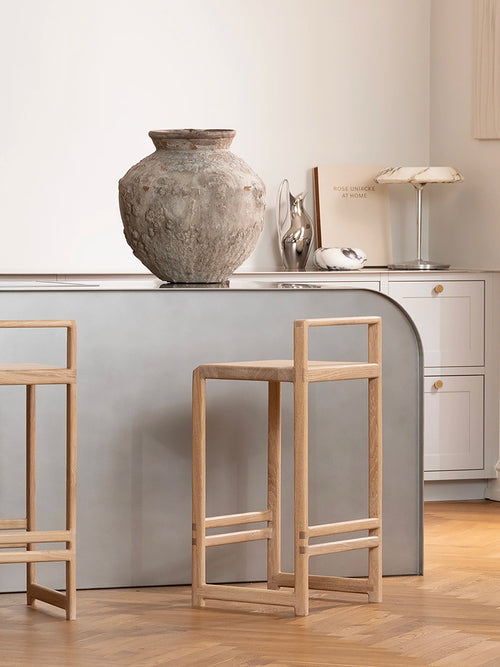
Philip an einer Kücheninsel in Thekenhöhe, der Höhe, die die meisten Küchen brauchen.
Thekenhöhe, in den meisten Küchen. Übliche Kücheninseln haben Thekenhöhe, 89 bis 92 cm (35 bis 36 in), und brauchen 66 cm (26 in) Sitzhöhe. Wählen Sie Barhöhe nur, wenn Ihre Insel einen erhöhten Barbereich von 99 bis 102 cm (39 bis 40 in) hat, und messen Sie diesen Bereich gesondert.
Kücheninseln mit zwei Ebenen sind in offenen Grundrissen verbreitet: eine Arbeitsseite in Thekenhöhe und eine erhöhte Kante zum Wohnbereich. Die Hocker richten sich immer nach der Fläche, an der man sitzt, eine zweistufige Insel braucht auf der erhöhten Seite also meist Barhöhe. Alles Weitere zur Planung finden Sie im Ratgeber Barhocker für die Kücheninsel.
Welche Höhe passt zu einer Frühstückstheke?
Messen Sie nach, denn eine Frühstückstheke kann beide Höhen haben. Ist sie eine Verlängerung der Arbeitsplatte, liegt sie meist in Thekenhöhe, um 90 cm (35,5 in), und braucht 66 cm (26 in) Sitzhöhe. Eine erhöhte Frühstückstheke an einer Halbinsel ist oft 100 bis 105 cm (39,5 bis 41,5 in) hoch und braucht 76 cm (30 in) oder eine Sonderhöhe.
Der Name der Fläche sagt nichts; der Zollstock entscheidet. Genau hier werden Barhocker am häufigsten in der falschen Höhe gekauft: Man liest Bar und nimmt den höheren Hocker. Messen Sie immer bis zur Unterkante der Platte dort, wo die Knie sein werden.
Kann ich einen Barhocker in Barhöhe an der Küchentheke nutzen?
Nein. Ein Barhocker mit 76 cm (30 in) an einer Theke von 90 cm (35,5 in) lässt nur 14 cm (5,5 in) zwischen Sitz und Plattenunterkante, die Oberschenkel drücken gegen die Theke. Umgekehrt ist es ebenfalls unbequem: Ein Hocker mit 66 cm an einer Bartheke von 100 cm lässt 34 cm (13,4 in), Sie müssen zum Essen nach oben greifen.
Ein paar Zentimeter Unterschied sind kein Problem, dafür ist der Spielraum von 23 bis 26 cm da. Zehn Zentimeter sind es nicht, und kein Kissen und keine Fußstütze gleicht das aus. Wenn Sie Hocker ersetzen, die sich falsch anfühlten, ist diese Fehlanpassung der wahrscheinlichste Grund.
Bedeuten die Begriffe überall dasselbe?
Nein, und genau dort beginnen viele Fehlkäufe. In den USA sind counter stool und bar stool zwei Produkte in zwei Höhen. In Großbritannien heißen beide bar stool, und breakfast bar stool meint meist Thekenhöhe. In Deutschland, Schweden und Frankreich steht ein Wort für beide: Barhocker, barstol, tabouret de bar. Begriffe wie Thekenhocker oder Tresenhocker gibt es im Deutschen zwar, sie werden aber selten benutzt und nicht einheitlich verwendet.
Wenn Sie also international einkaufen oder Bewertungen aus anderen Ländern lesen, ignorieren Sie das Wort und lesen Sie die Sitzhöhe in Zentimetern. Derselbe Hocker von by Crea heißt in den USA counter stool und in Deutschland Barhocker; gleich bleibt der Sitz mit 66 oder 76 cm.
Was tun, wenn meine Theke zwischen den beiden Höhen liegt?
Wählen Sie eine Sonderhöhe. Theken von 93 bis 98 cm (36,5 bis 38,5 in) liegen zwischen den beiden Standards: Ein Hocker mit 66 cm lässt zu viel Beinfreiheit, einer mit 76 cm zu wenig. Die richtige Sitzhöhe ist die Thekenhöhe minus 23 bis 26 cm, etwa 70 cm (27,5 in) bei einer Theke von 95 cm.
Sonderhöhen fertigen wir bei unseren Stahlhockern Freja, Philip, Bruno und Svea. Sie werden in unserer Werkstatt in Malmö auf Bestellung geschweißt und haben dieselben 10 Jahre Garantie und dieselbe Belastbarkeit von 200 kg (440 lbs) wie die Standardhöhen. Mehr dazu im Ratgeber zu Barhockern in Sonderhöhe.
Thekenhöhe oder Barhöhe: die kurze Antwort
Messen Sie Ihre Theke bis zur Unterkante der Platte. Bei 89 bis 92 cm (35 bis 36 in) brauchen Sie einen Barhocker in Thekenhöhe mit 66 cm (26 in) Sitz; bei 99 bis 102 cm (39 bis 40 in) einen Barhocker in Barhöhe mit 76 cm (30 in) Sitz; alles dazwischen verlangt eine Sonderhöhe. Jeder Barhocker von by Crea ist in beiden Standardhöhen erhältlich, entsteht in unserer eigenen Werkstatt in Malmö und wird fertig montiert mit 10 Jahren Garantie geliefert.
Ist ein Barhocker für Thekenhöhe niedriger als einer für Barhöhe?+
Ja, um etwa 10 cm (4 in). Ein Barhocker für Thekenhöhe hat etwa 66 cm (26 in) Sitzhöhe, einer für Barhöhe etwa 76 cm (30 in).
Was ist der Unterschied zwischen Thekenhöhe und Barhöhe?+
Thekenhöhe ist eine Fläche von etwa 89 bis 92 cm (35 bis 36 in), die übliche Küchenarbeitsplatte. Barhöhe liegt bei etwa 99 bis 102 cm (39 bis 40 in) oder mehr, wie bei einer Hausbar.
Ist ein Barhocker mit 65 cm dasselbe wie mit 66 cm?+
Praktisch ja. Beides ist die Standardhöhe für Küchentheken um 90 cm. Der eine Zentimeter liegt deutlich im Bereich von 23 bis 26 cm Beinfreiheit.
Welche Sitzhöhe brauche ich bei einer 90 cm hohen Theke?+
66 cm (26 in). Eine Theke von 90 cm, gemessen bis zur Unterkante, lässt dann 24 cm (9,4 in) Beinfreiheit, mitten im bequemen Bereich.
Welche Sitzhöhe brauche ich bei einer 100 cm hohen Bartheke?+
76 cm (30 in). Das ergibt 24 cm (9,4 in) zwischen Sitz und Unterkante der Bartheke.
Gibt es Ihre Barhocker in Thekenhöhe und Barhöhe?+
Ja. Jedes Modell von by Crea gibt es mit 66 cm (26 in) oder 76 cm (30 in) Sitzhöhe, und unsere Stahlmodelle fertigen wir auch in Sonderhöhe.
Wenn Sie eine Auswahl treffen, wird die gesamte Seite aktualisiert.














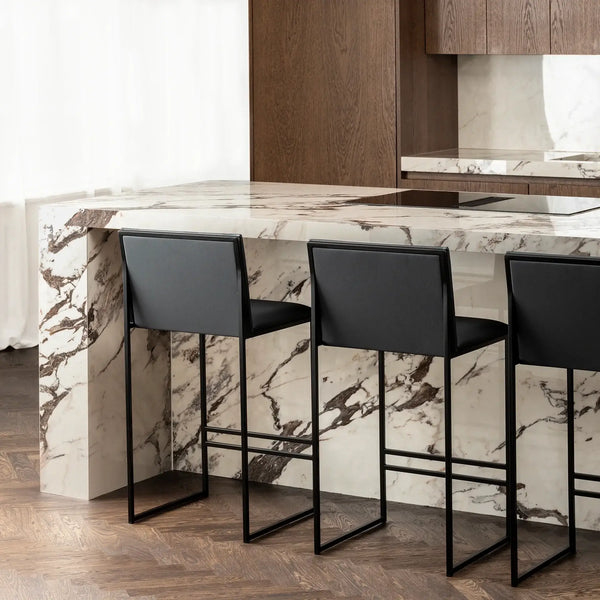 Barhocker Höhe: welche Sitzhöhe passt zu Ihrer Theke?Wählen Sie 66 cm (26 in) Sitzhöhe für eine Küchenarbeitsplatte oder Kücheninsel von 89 bis 92 cm (35 bis 36 in) und 76 cm (30 in)...
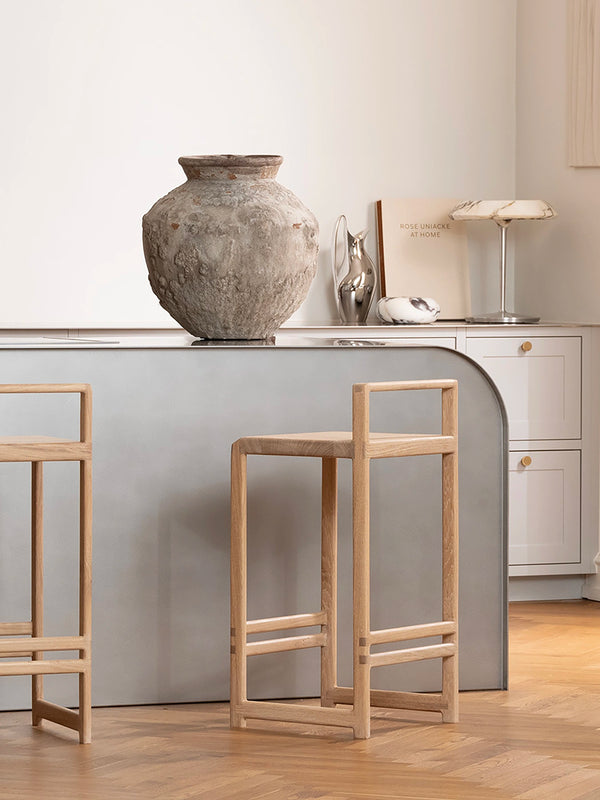 Barhocker für die Kücheninsel: Sitzplätze richtig planenFür eine Kücheninsel in der üblichen Höhe von 89 bis 92 cm (35 bis 36 in) wählen Sie Barhocker mit 66 cm (26 in) Sitzhöhe. Planen...
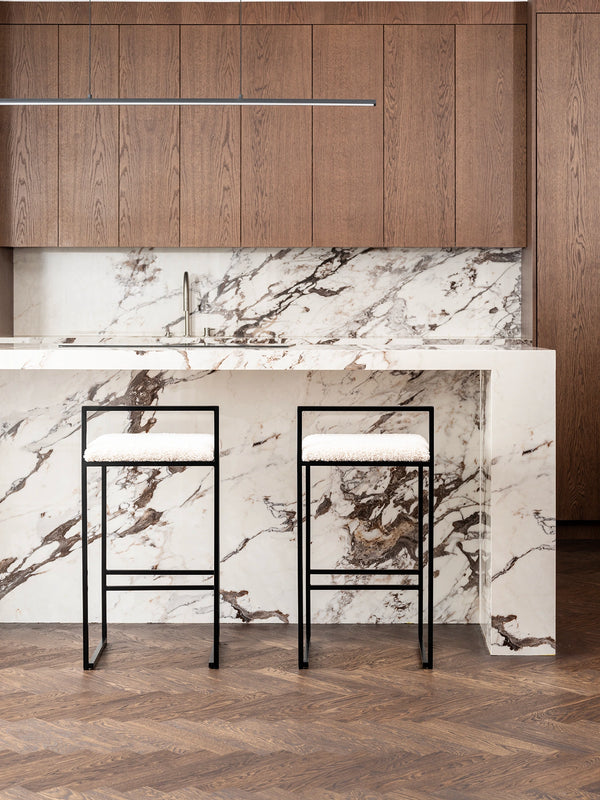 Wie viel Beinfreiheit braucht ein Barhocker? Knieraum erklärtLassen Sie 23 bis 26 cm (9 bis 10 in) zwischen der Sitzoberseite und der Unterkante der Theke; das ist die Beinfreiheit in der Höhe. Sorgen...
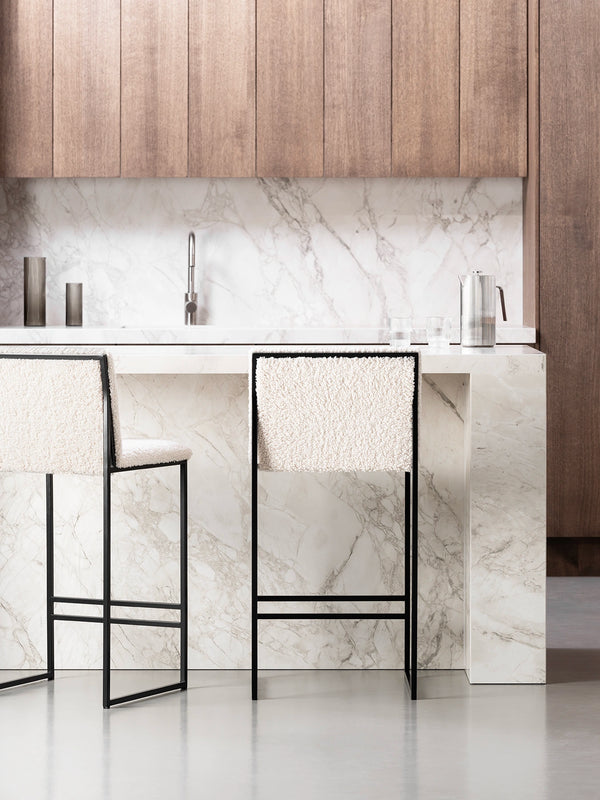 Barhocker kaufen: So wählen Sie in 6 Schritten die richtigenWählen Sie Barhocker in dieser Reihenfolge: messen Sie die Theke bis zur Unterkante und wählen Sie 66 cm (26 in) oder 76 cm (30 in) Sitzhöhe;...
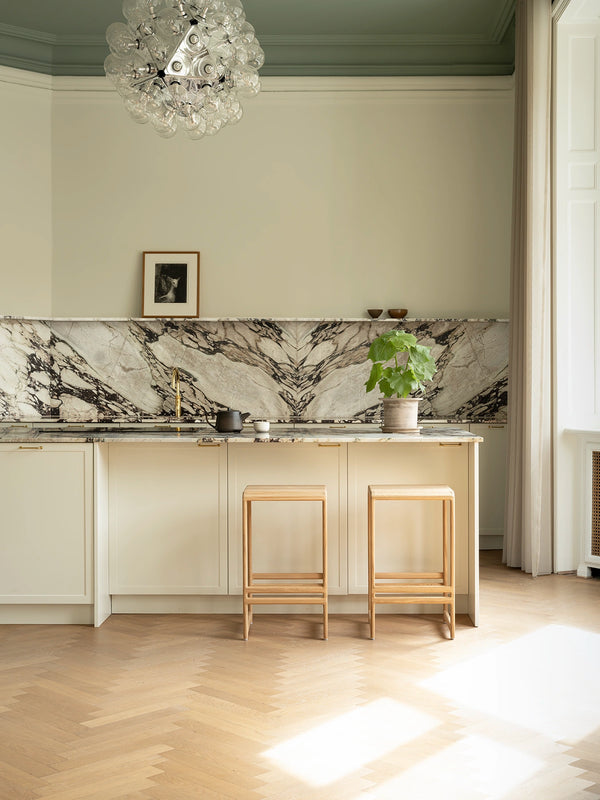 Überstand der Kücheninsel für Sitzplätze: Wie viel braucht man?Für bequeme Sitzplätze braucht eine Kücheninsel auf der Sitzseite einen Überstand von 30 bis 40 cm (12 bis 16 in): den Teil der Arbeitsplatte, der über...
